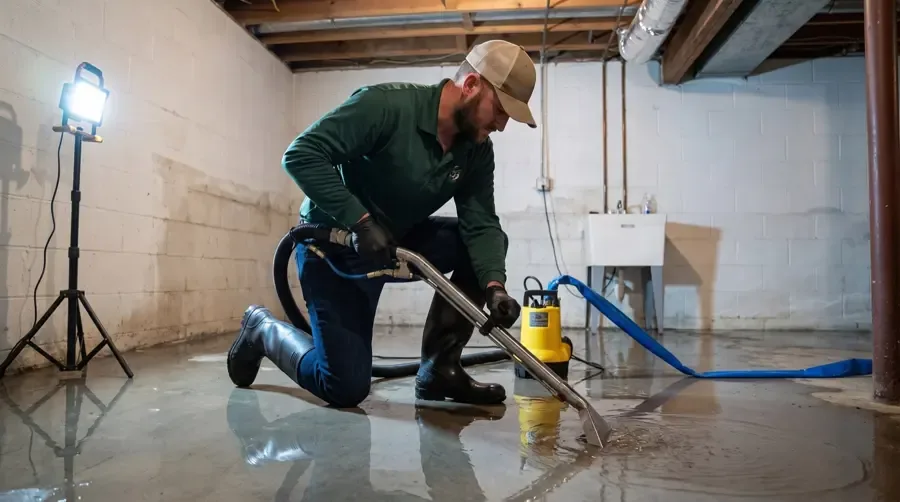
Water Damage Restoration Hopkins, MN
Water damage restoration in Hopkins, MN, any hour of the year. The restoration team extracts standing water, dries the structure to the IICRC S500 standard and documents each step for your insurance claim, in basement homes and apartment buildings alike.
(888) 432-4933Phone for emergency water extractionZIPs 55343 and 55305, plus Minnetonka, Edina, St. Louis Park and Plymouth.
Water Damage Restoration Services in Hopkins, MN
Fourteen kinds of water loss, each handled the way its source calls for. Wet basements and leaks that cross between apartments lead the list here.
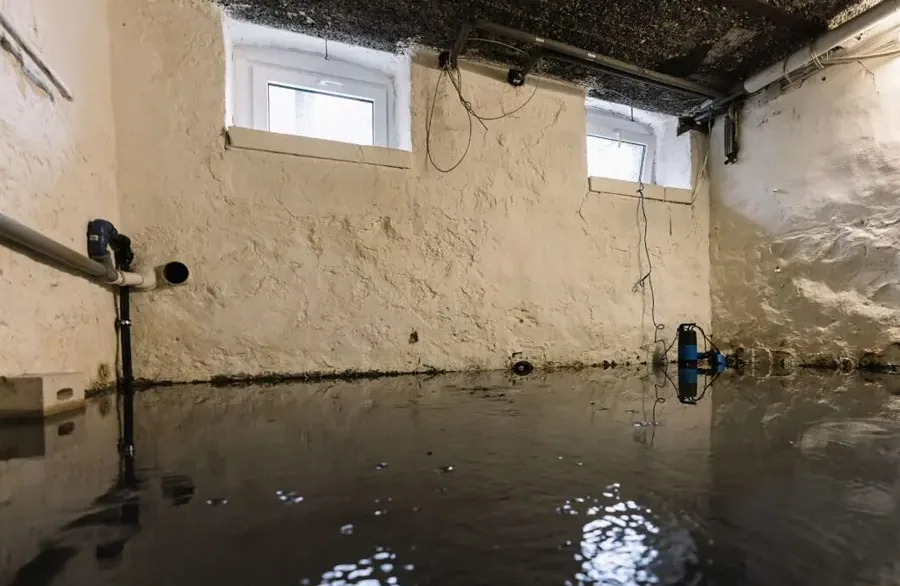
Basement Flooding Cleanup
Thaw seepage, storm water and floor-drain overflow pulled off the slab, wet carpet and lower drywall removed, the walls dried.
How basement flooding cleanup works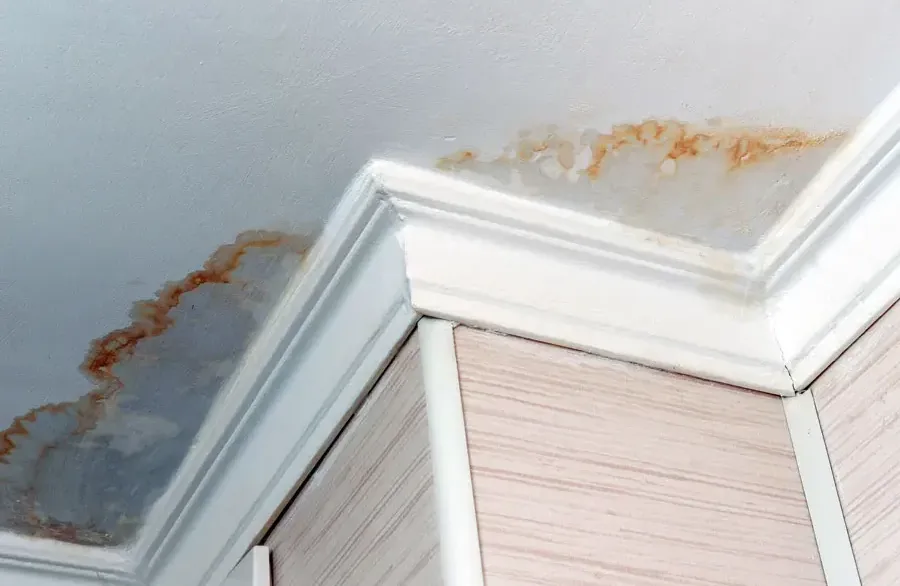
Apartment and Condo Water Damage
A leak traced from the source unit to every unit below or beside it, each one dried and logged for its own claim.
How apartment and condo water damage works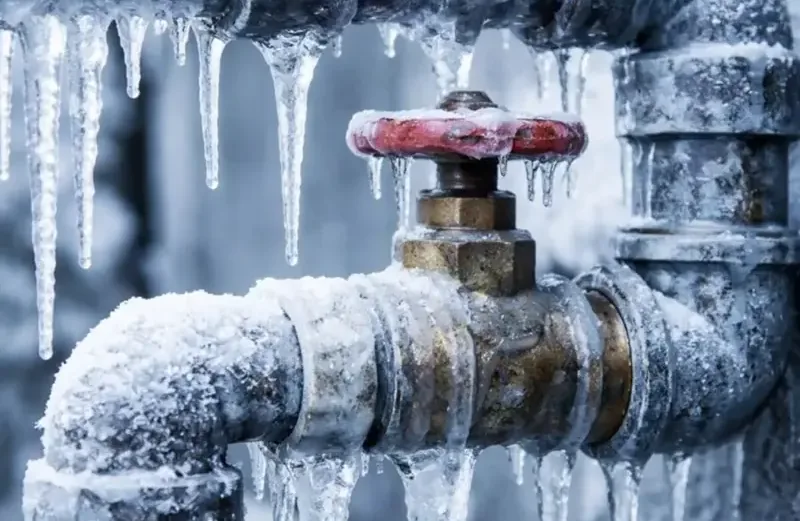
Frozen Pipe Cleanup
Splits in exterior walls, rim joists and garage pipes found once they thaw, the water extracted and the cavities dried.
How frozen pipe cleanup works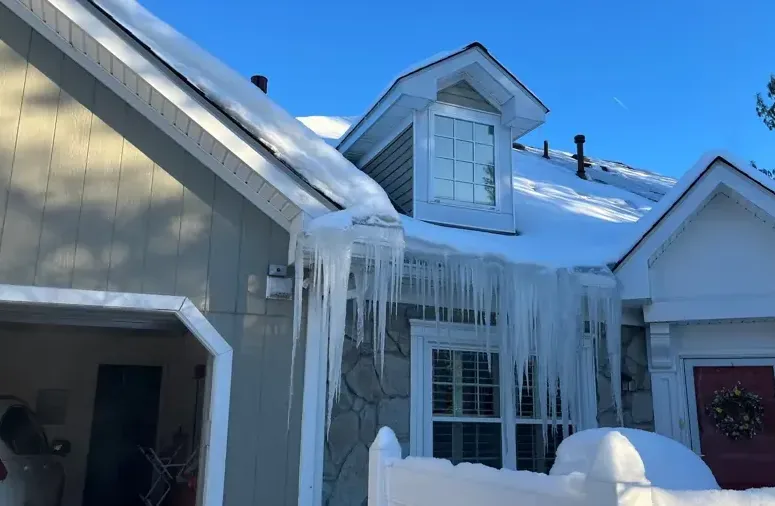
Ice Dam Water Damage
Meltwater backed up under shingles traced into exterior walls, window heads and ceilings, then dried.
How ice dam water damage works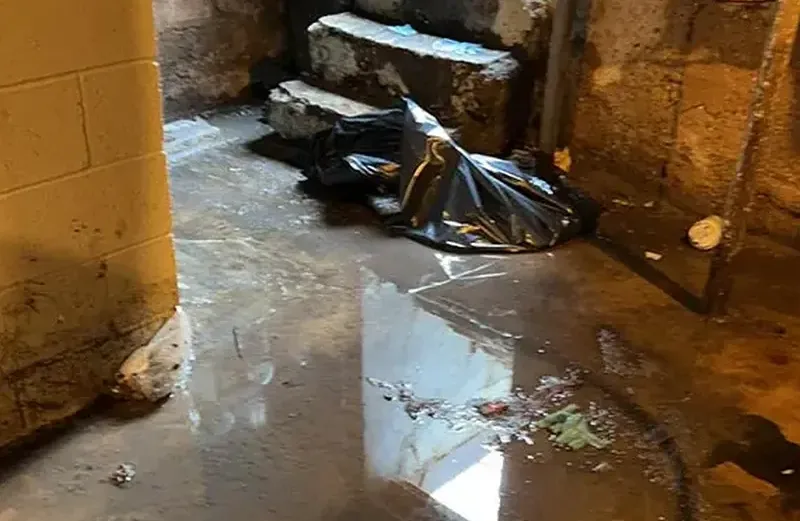
Sewer Backup Cleanup
Floor-drain and basement toilet backups contained as Category 3, porous materials removed, antimicrobial applied.
How sewer backup cleanup works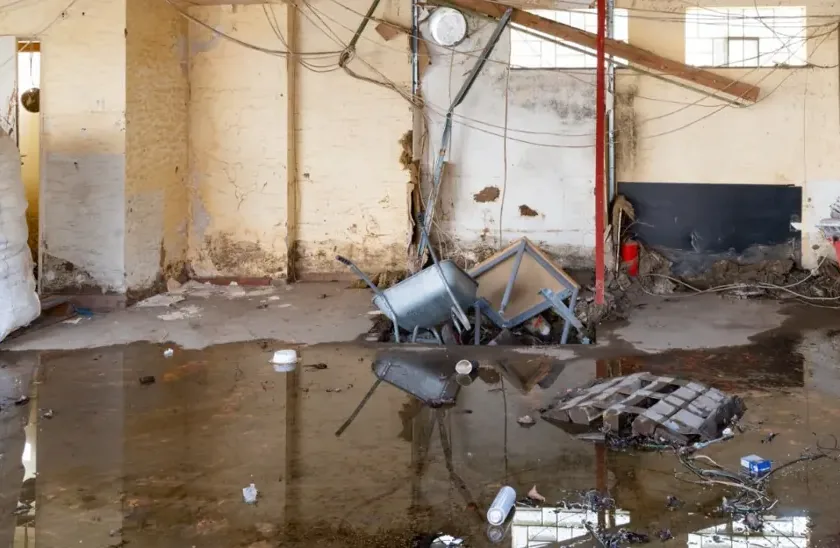
Sump Pump Failure Cleanup
A dead pump, a stuck float or a frozen discharge pipe leaves water across the basement; it is extracted and dried.
How sump pump failure cleanup works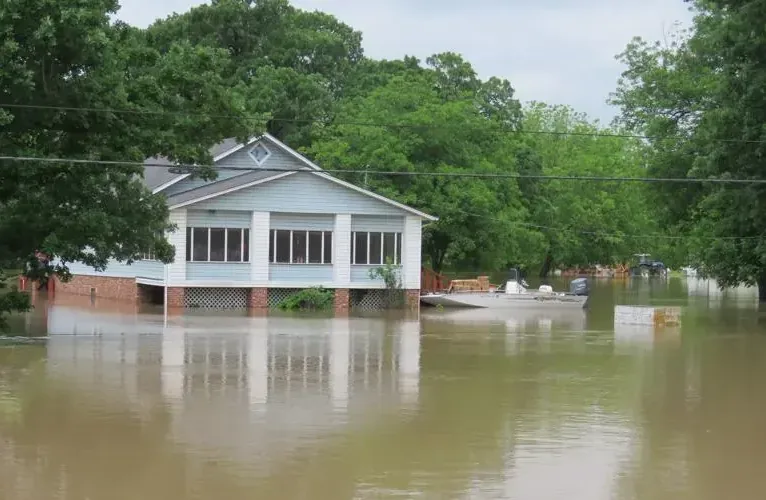
Storm Water and Creek Flood Cleanup
Summer cloudburst runoff and creek overflow handled as Category 3 water, removed and dried.
How storm water and creek flood cleanup works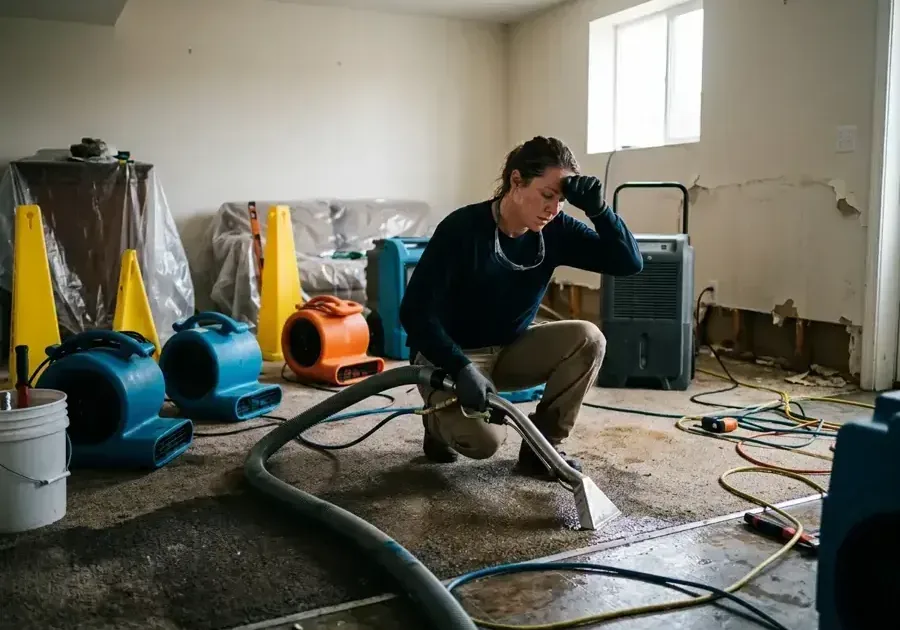
Water Extraction and Removal
Truck-mounted and portable units pull standing water before it climbs into drywall.
How water extraction and removal works
Burst Pipe Water Damage
Failed fittings and tired galvanized or copper pipe: water out, walls opened only where meters say.
How burst pipe water damage works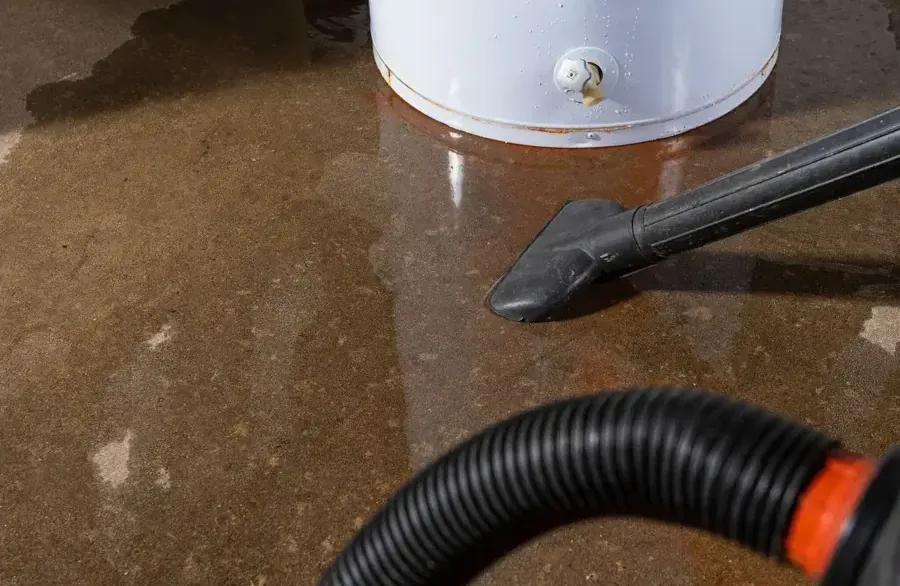
Water Heater Leak Cleanup
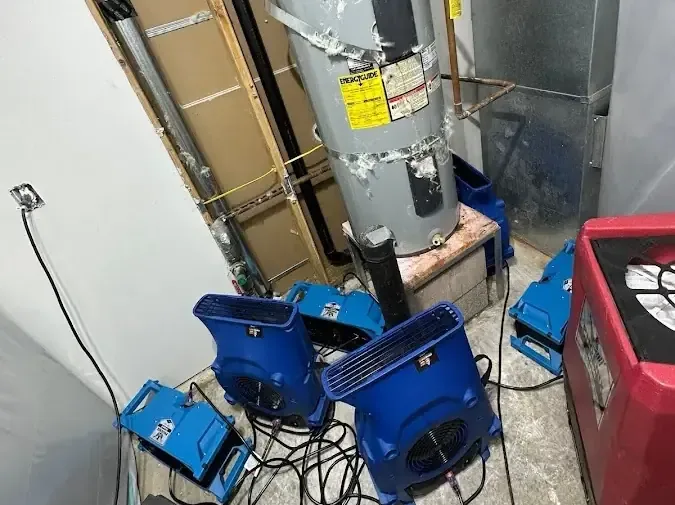
Basement tank failures extracted, with the slab, carpet edges and nearby finished walls dried.
How water heater leak cleanup works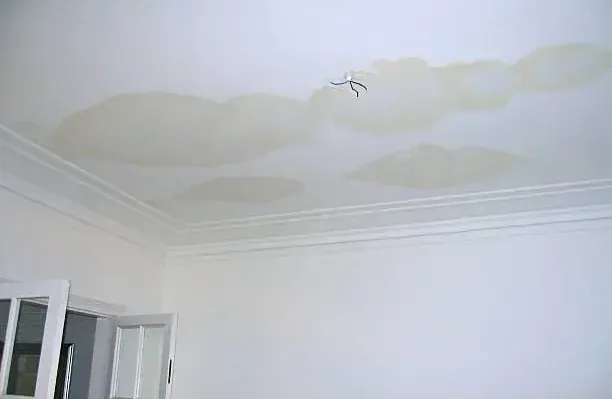
Ceiling Leak Water Damage
Bathroom and supply leaks from the floor above traced, sagging drywall opened, joist bays dried.
How ceiling leak water damage works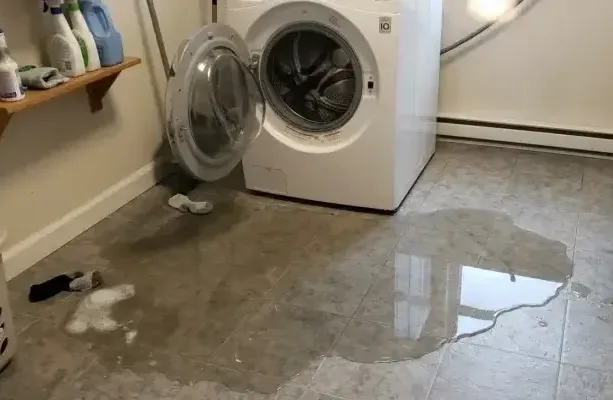
Appliance Leak Water Damage
Washer, dishwasher, refrigerator and water softener leaks dried under cabinets and flooring.
How appliance leak water damage works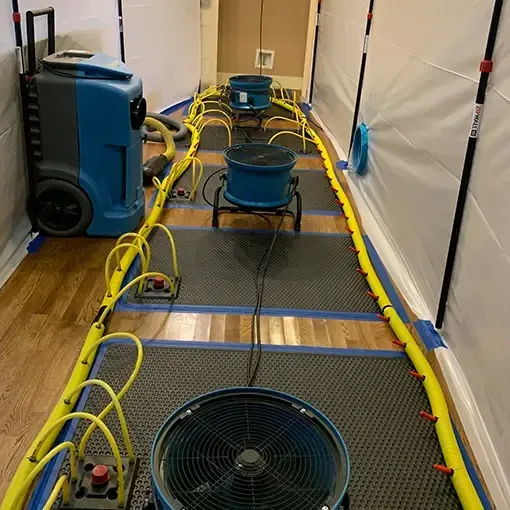
Structural Drying and Dehumidification
Framing, subfloor and wall cavities dried to within 2 to 4 points of a dry reference material.
How structural drying and dehumidification works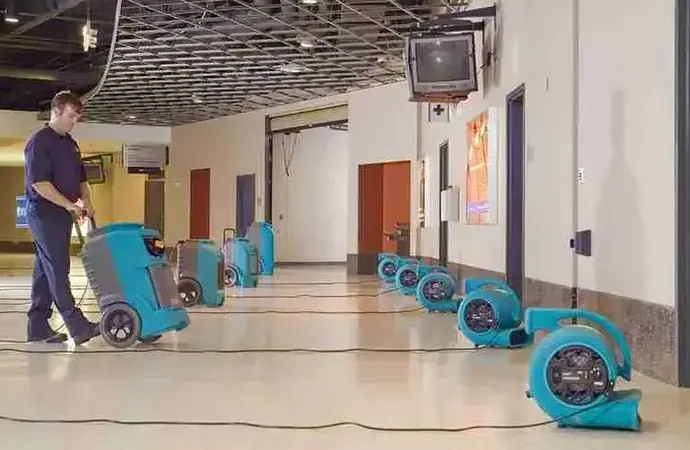
Commercial Water Damage
Mainstreet storefronts, offices and light industrial space dried in phases so business can continue.
How commercial water damage worksWhat to do while the water is still moving
The first hour decides how much has to be torn out later. These five steps keep a water loss smaller while the extraction crew travels.
(888) 432-4933Call while the water is moving- 1
Close the main shutoff
In most basement homes it sits beside the water meter, where the service pipe comes through the foundation wall.
- 2
Cut power to wet areas
Only from a dry panel. Stay out of standing water near outlets, cords and the furnace.
- 3
Stop using drains during a backup
If water is rising from the floor drain, stop flushing, showering and running the washer.
- 4
Photograph before you move anything
Wide shots and close-ups of every wet room, the source and damaged belongings.
- 5
Lift what you can
Move rugs, boxes and electronics off a wet basement floor, and set furniture legs on foil or blocks.
Water damage dried to the IICRC S500 standard
A finished dry-out differs from a cosmetic one in the order of the work and the proof at the end. Equipment stays until the readings say dry, whatever the room looks like.
- 1
Moisture mapping first
The tech who does the walkthrough traces wet materials with pinless meters and thermal imaging, including the rim joist, the floor below and any unit next door.
- 2
Extraction
Truck-mounted units pull standing water from carpet, pad and concrete, and portable extractors handle upper floors and tight spaces.
- 3
Controlled drying
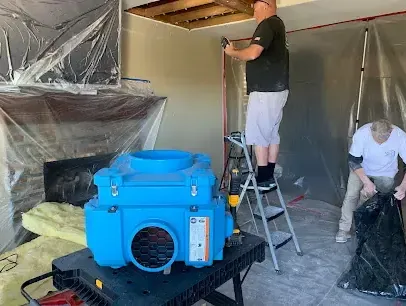
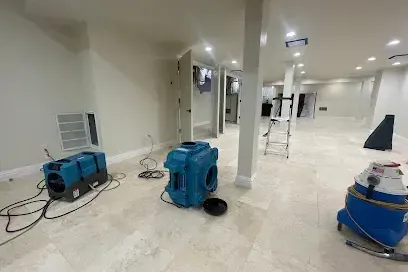
Air movers and LGR dehumidifiers are set to each room's evaporation load, with desiccants for Class 4 materials such as hardwood and plaster.
- 4
Readings to the goal
Daily readings are logged until wet materials sit within 2 to 4 points of a dry reference, and only then does the equipment leave.
All water damage categories covered in Hopkins, MN
Category 1: clean water
Supply pipes, water heaters and frozen pipe splits. Caught early, most materials dry in place.
Burst pipe water damageCategory 2: gray water
Washer, dishwasher and toilet overflows carry contaminants and get antimicrobial treatment as they dry.
Appliance leak water damageCategory 3: black water
Sewer backups and floodwater from creeks or streets. Porous materials it touched are removed, not dried.
Sewer backup cleanupWhat does water damage restoration cost in Hopkins, MN?
Water damage restoration here typically runs $1,300 to $25,000, with most clean-water leaks at the low end and sewer backups or whole-basement floods at the high end, depending on the water category, the square footage, the materials and how fast drying started.
These are typical ranges, not quotes. The water damage cost calculator and the drying time estimator give a closer read on your rooms.
Small clean-water leak
$1,300 to $4,000- One or two rooms
- Extraction and drying in place
- Daily moisture readings
Finished basement or several rooms
$4,000 to $12,000- Carpet and pad pulled
- Lower drywall cut out
- Several days of equipment
Sewer backup or major flood
$12,000 to $25,000- Category 3 containment
- Porous materials removed
- Antimicrobial and air scrubbing
How the restoration crew handles a water loss here
Water in a basement home rarely stays where it lands. It runs under the bottom plate of finished walls, soaks carpet pad on the slab and climbs drywall, and in an apartment building it drops into the unit below. So the restoration team works from readings, not guesses.
Rapid local response
The response team dispatches 24/7, and active water anywhere in town is treated as urgent, holidays and the coldest nights included.
IICRC S500 drying standard
Structural drying, not surface drying: equipment is sized to the class of loss and stays until readings reach the goal.
Claim-ready documentation
Moisture maps, daily psychrometric logs and timestamped photos taken before any demolition.
Local water know-how
Thaw seepage, frozen pipe splits, ice dams and floor-drain backups are the familiar losses in this part of Hennepin County.
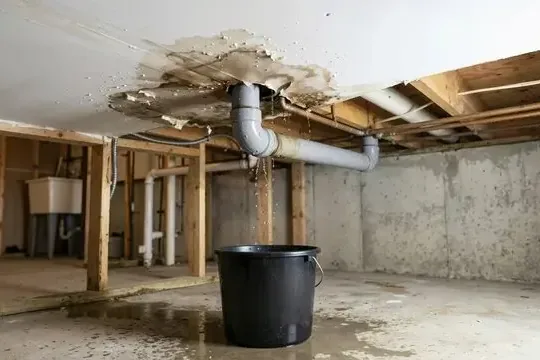
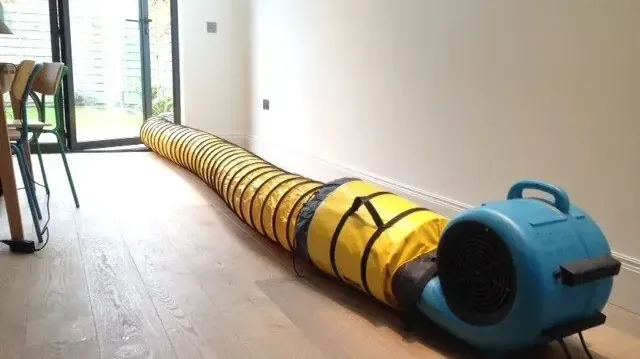
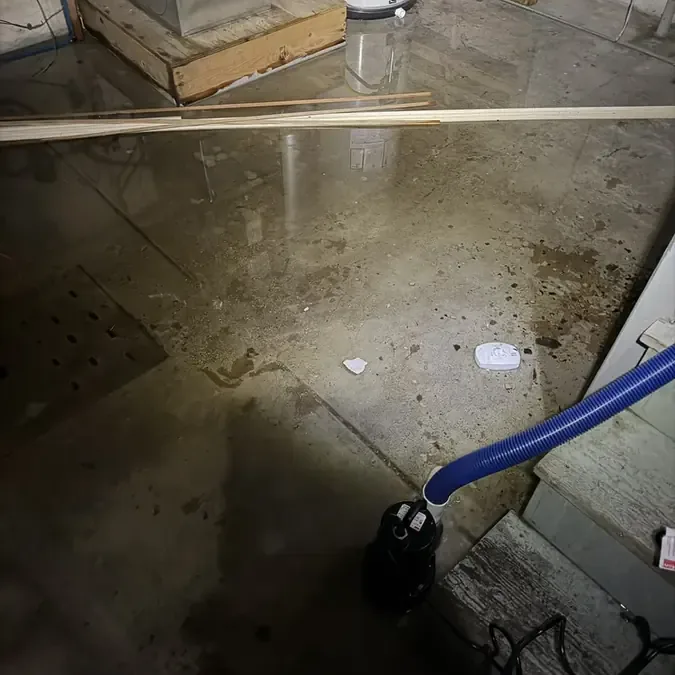
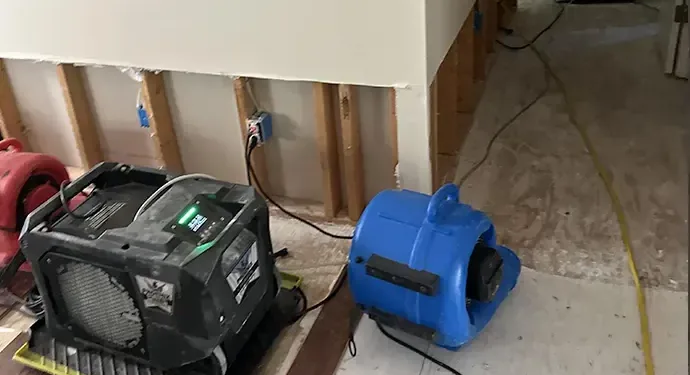
What a water damage dry-out looks like in Hopkins
Documentation for your insurance claim
A water claim is decided on the file, not on the first phone call. A complete claim file for a local loss carries five things.
- The moisture map from the first visit, marking every wet material
- Daily psychrometric logs: temperature, humidity and material readings
- Timestamped photos taken before anything is removed
- The water category and class of loss, with the source noted
- A line-item scope in the Xactimate style adjusters use
Water damage restoration across Hopkins and west Hennepin County
Neighborhoods and corridors
ZIP codes
Nearby cities
Water damage in Hopkins, MN: the local risk profile
Minnehaha Creek crosses the north end of town and runs down the east side, and the north fork of Nine Mile Creek begins at the south edge of Excelsior Boulevard. Both are mapped flooding sources in the city's Flood Insurance Study, and several low, land-locked areas have no natural surface outlet.

- July 1987
The Twin Cities superstorm dropped 10 inches of rain at the MSP airport in about six hours, and more than 10 inches fell in suburbs west and southwest of Minneapolis.
- June 2014
Lake Minnetonka, the creek's source, peaked at a record 931.11 feet, and Minnehaha Creek ran at a record 889 cubic feet per second.
- Summer storms
Slow, stalled thunderstorms can drop inches of rain faster than storm sewers and low spots drain, sending runoff into window wells.
- Every spring
Snowmelt on frozen ground cannot soak in, so it runs toward foundations and window wells and tests every sump pump at once.
1950s basement homes
Ramblers and split-levels in Interlachen Park and Hobby Acres sit over basements with floor drains and aging plumbing.
A renter majority
Roughly six in ten homes are rentals, many in large apartment buildings where one leak can reach several units.
Original sewer service pipe
Clay and cast-iron pipe from the 1950s and 1960s narrows with roots and offset joints, so floor drains back up in heavy storms.
Deep winter cold
Pipes split in exterior walls and garages, and ice dams push roof meltwater behind siding and into ceilings.
Hopkins water damage questions, answered
What should I do in the first hour after finding water?
Close the main shutoff or the fixture valve, cut power to wet rooms from a dry panel, stay out of standing water near outlets, photograph everything before moving it, then call for extraction. Mold can start within 24 to 48 hours, so speed matters.
How quickly can a crew get started?
Dispatch runs 24/7, and active water is treated as urgent at any hour. Travel time depends on the hour, the weather and the roads, so call as soon as the water is found.
Why does my basement take on water every spring?
Snowmelt on frozen ground cannot soak in, so it runs toward the house and finds cracks, window wells and the joint where the floor meets the wall. A sump pump that is undersized or failing falls behind. The restoration team extracts and dries; a waterproofing contractor deals with the cause. See basement flooding cleanup.
What is an ice dam, and why is water coming through my ceiling?
Heat escaping into the attic melts roof snow, and the meltwater refreezes at the cold eaves into a ridge of ice. Water backs up behind it, under the shingles and into exterior walls and ceilings. See ice dam water damage.
Who pays when a leak upstairs damages my apartment?
It depends on the cause, the lease or association rules and each party's policy. The building owner's insurance usually covers the structure, and renters insurance covers a tenant's belongings. Check with your own insurer; the moisture map and daily logs support every party's claim.
What is the IICRC S500 standard?
S500 is the industry standard for professional water damage restoration, published by the Institute of Inspection, Cleaning and Restoration Certification (IICRC). It sets how water is categorized, how drying is set up and how dryness is confirmed with readings.
Does drywall always have to come out?
No. Clean water caught early often dries in place with vent holes and directed air. Drywall soaked by sewage or floodwater, or wet for days, is cut out above the water line.
Why is a sewer backup handled differently?
Sewage is Category 3 water from the first minute. The crew wears protective gear, sets containment, removes porous materials it touched and applies an EPA-registered antimicrobial for the label's dwell time. See sewer backup cleanup.
How long does drying take?
A contained Class 1 or 2 loss usually dries in three to five days. Hardwood, plaster and a soaked basement slab take longer. Equipment comes out when readings reach the goal, not on a set date.
What is the difference between mitigation and repair?
Mitigation stops the damage: extraction, removal of ruined materials and drying. Repair puts the home back: drywall, paint, flooring and trim. Insurers often treat the two as separate parts of a claim.
How is the cost figured?
By water category, square footage, the class of materials and how many days the equipment runs, written up as a line-item scope. The cost calculator shows typical ranges.
Water in a Hopkins home, unit or storefront? Get the drying started.
The restoration team extracts the water, dries the structure to the IICRC S500 standard and documents every step for the claim, from Mainstreet to Interlachen Park.
(888) 432-4933Emergency water removal, day or night- Active water treated as urgent, 24/7
- Drying goal set by IICRC S500
- Moisture logs kept for the adjuster
- Find us on Google