Apartment and Condo Water Damage in Hopkins, MN
In a building, one overflowing tub or failed supply hose rarely stays in one unit. The response team traces the water from its source to every unit it reached, dries each one and keeps separate records for each party's claim.
(888) 432-4933Trace the leak through the building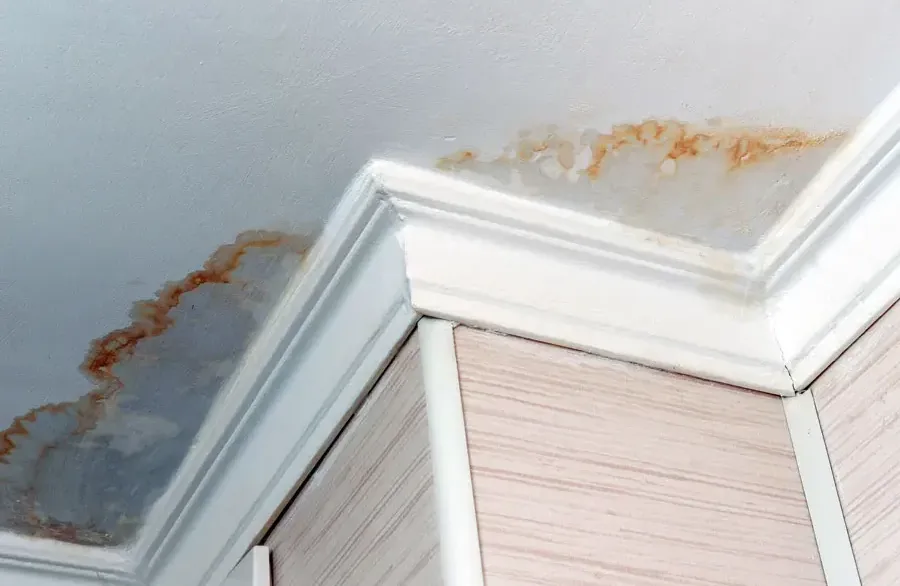
Roughly six in ten homes in Hopkins are rentals, and many sit in large apartment and condo buildings. In stacked units, water follows gravity and pipe chases: down through the ceiling below, along the floor into the unit next door and into shared walls that no single resident can see inside.
What to do first for apartment and condo water damage
- 1
Stop the water at the source
Close the fixture valve or the unit shutoff; building staff can close risers.
- 2
Tell the neighbors
Units below and beside the leak need checking, even if they look dry.
- 3
Cut power near wet ceilings
Keep clear of light fixtures and outlets where water is dripping.
- 4
Photograph every unit
Each affected unit needs its own photos for its own claim.
What does apartment and condo water damage cost in Hopkins, MN?
In Hopkins, apartment and condo water damage cleanup typically runs $1,500 to $14,000, depending on how many units the water reached, how many ceilings and walls are wet and how long the leak ran.
One unit, caught early
$1,500 to $4,000- Extraction
- Drying in place
- Daily readings
Source unit and ceiling below
$4,000 to $8,500- Ceiling drywall opened
- Two drying plans
- Separate logs
Several units or floors
$8,500 to $14,000- Wall cavity drying
- Extended equipment
- Per-unit documentation
These are typical figures, not a quote. Water category, wet square footage, material class and how quickly drying began move the total the most. The water damage cost calculator gives a closer range for your rooms.
How apartment and condo water damage is done, start to finish
Moisture gets mapped before a single fan is placed, so the plan follows what is actually wet. The drying team leaves the equipment running until meter readings reach the goal, whatever the surface looks like.
- 1
Trace the water
Meters and thermal imaging follow the leak from the source unit to every unit it reached.
- 2
Extract each unit
Standing water is pulled from floors and carpet, starting where it is deepest.
- 3
Open only what is wet
Ceilings and shared walls are opened where readings show water.
- 4
Dry and log per unit
Each unit runs to the drying goal with its own daily readings.
How a leak moves through a building
Water from an upstairs unit soaks the subfloor, runs along joists or concrete deck and appears as a stain or drip one or two floors down. In wood-framed buildings it can travel sideways before it shows, which is why the wet spot below is often not directly under the source.
- Overflowing tubs, toilets and sinks.
- Washer and dishwasher hoses and ice maker tubes; see appliance leak water damage.
- Supply pipes in shared walls and frozen sprinkler or supply pipes near exterior walls.
Drying every affected unit, not only the first one
The tech who does the walkthrough maps moisture in the source unit and every unit around it, including ceilings below and walls shared with the next unit. Each unit gets its own drying plan, equipment and daily readings, so drying in one unit does not stop because another tenant is away.
- Ceiling drywall below is checked with meters and thermal imaging and opened only where readings call for it.
- Shared-wall cavities are ventilated or opened where meters show water.
- Access and equipment placement are planned with building management and residents.
Records that work for several claims
An apartment loss can involve the building owner's policy, an association policy and one or more renters policies. Separate moisture maps, photos and logs for each unit keep every claim file clean. The EPA guide to mold and moisture explains why quick drying matters, and the EPA indoor air quality pages cover air concerns in shared buildings.
Apartment and condo water damage around Hopkins and west Hennepin County
The restoration crew works both ZIPs, 55343 and 55305, from Mainstreet and the Avenues out to Interlachen Park, Hobby Acres, Park Valley and the Blake Road side of Minnehaha Creek.
Nearby coverage reaches Minnetonka, Edina, St. Louis Park, Plymouth, Orono.
Other water problems handled here
Apartment and Condo Water Damage questions in Hopkins, MN
Water is dripping from my ceiling and the unit above is empty. What now?
Contact building management to shut off the water to that unit or the riser, keep clear of the wet ceiling and light fixtures, then call. The response team can begin drying your unit while access to the source unit is arranged.
Who pays for water damage between units?
It depends on the cause, the lease or association rules and each party's policy. The building owner's or association's policy usually covers the structure, and renters insurance covers a tenant's belongings. Check with your own insurer.
Will my ceiling have to come down?
Not always. Drywall that dried quickly and reads within the goal can stay. Ceilings that sag, stay wet or soaked up dirty water are cut out.
Can drying happen while I live in the unit?
Often, yes. Equipment is noisy and runs around the clock, but most clean-water losses dry with residents at home. Category 3 water may require leaving until the area is cleaned.
How do you find water inside shared walls?
Pinless meters, thermal imaging and probes through small holes show where water traveled behind the drywall, without opening every wall.
Do condo associations and tenants get separate reports?
Each affected unit gets its own moisture map, photos and logs, which can be shared with whoever handles that unit's claim.
Water crossing into the next unit? Call now.
The longer a leak runs between floors, the more ceilings and walls it reaches. The response team traces it and starts drying every unit.
(888) 432-4933Dry every affected unit- Active water treated as urgent, 24/7
- Drying goal set by IICRC S500
- Moisture logs kept for the adjuster
- Find us on Google