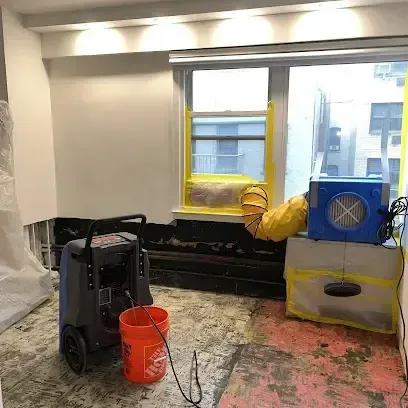
Water Damage Restoration Orono, MN
Water damage restoration in Orono at any hour, from lakeshore basements to older homes around Navarre. The extraction crew removes standing water, maps the moisture and keeps drying equipment running until readings reach the goal.
(888) 432-4933Talk to a lakeshore drying crewZIP 55356, including Navarre, Crystal Bay, Stubbs Bay and the Highway 12 corridor.
Water Damage Restoration Services in Orono, MN
Water reaches lakeshore homes through basements, drains, pipes and roofs. Each service below has its own page, so pick the one that matches what you see.
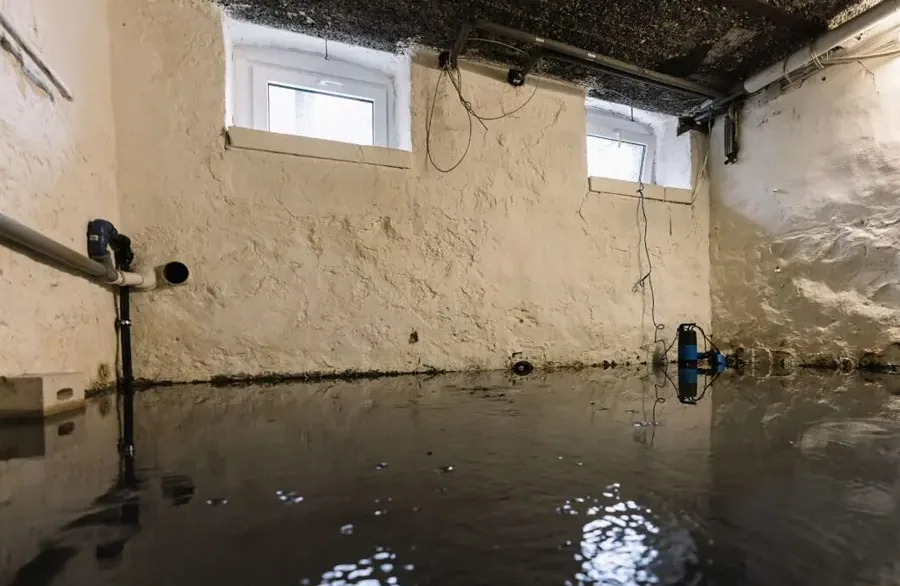
Basement Flooding Cleanup
High groundwater and heavy rain can push water into a lower level. The crew pulls it out and dries the floor and walls.
How basement flooding cleanup works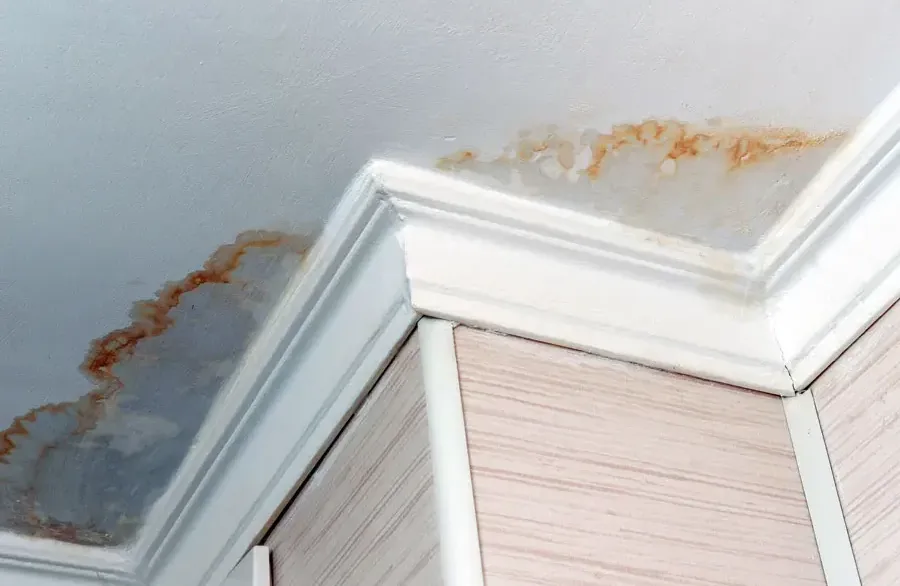
Apartment and Condo Water Damage
A leak in one unit often soaks the ceiling below. Separate drying plans keep owners and tenants clear.
How apartment and condo water damage works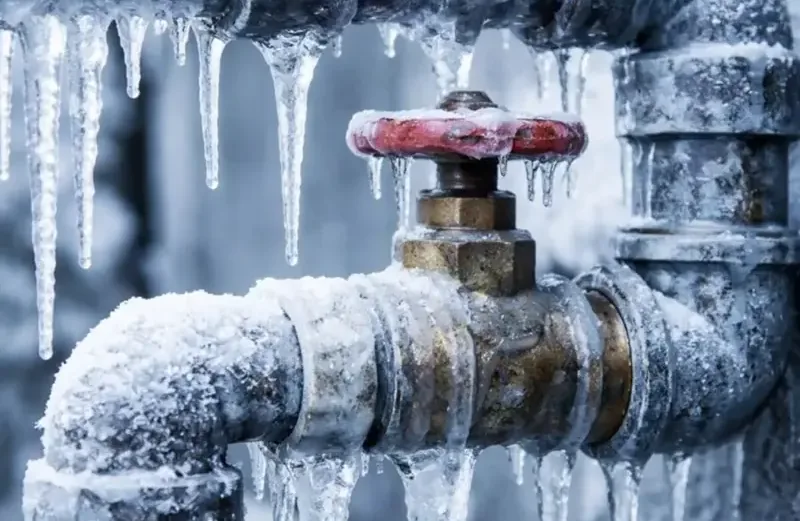
Frozen Pipe Cleanup
A hard freeze can split a pipe and soak a wall. The team extracts and dries it.
How frozen pipe cleanup works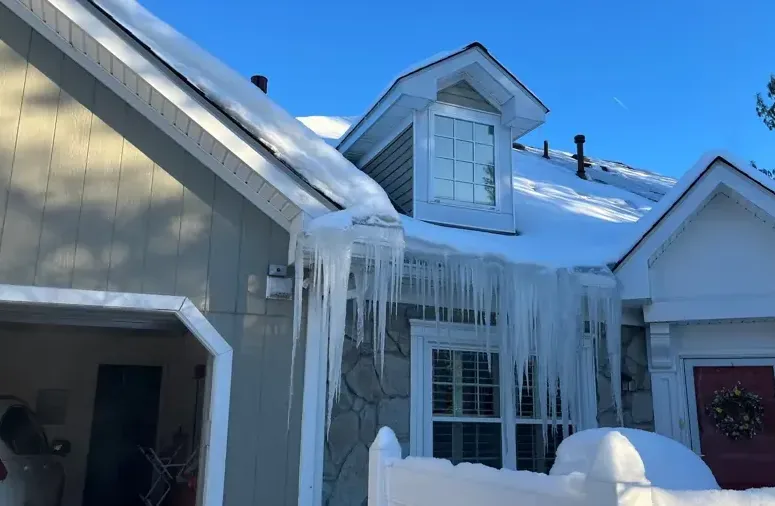
Ice Dam Water Damage
Meltwater trapped under shingles drips into walls and ceilings. The team traces it and dries the framing.
How ice dam water damage works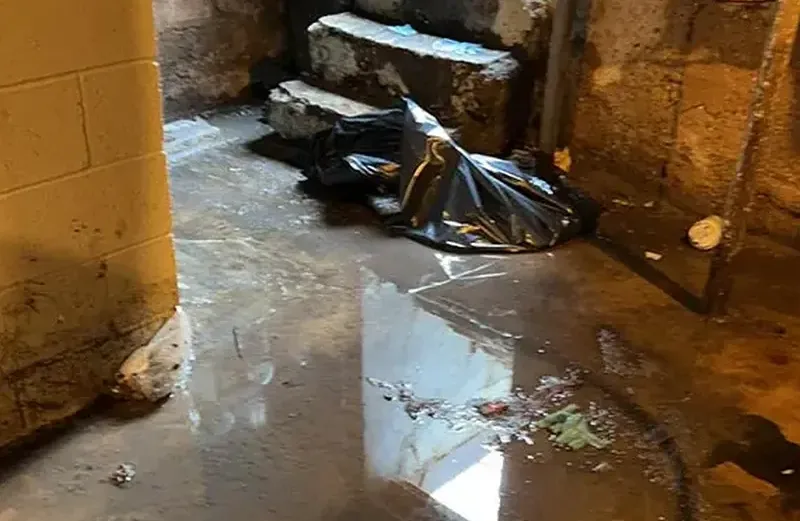
Sewer Backup Cleanup
Sewer and septic backups call for containment. The crew removes what cannot be cleaned.
How sewer backup cleanup works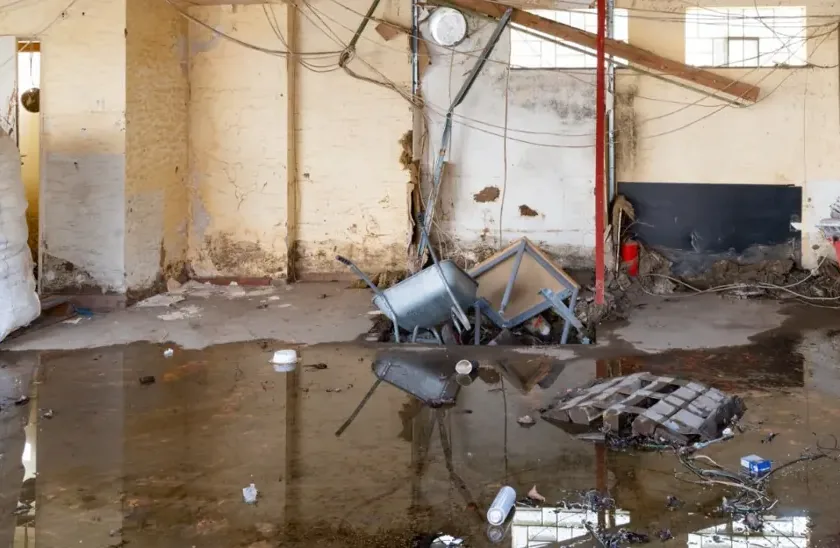
Sump Pump Failure Cleanup
When a sump pump quits, groundwater fills the pit and spreads. The team removes it and dries the walls.
How sump pump failure cleanup works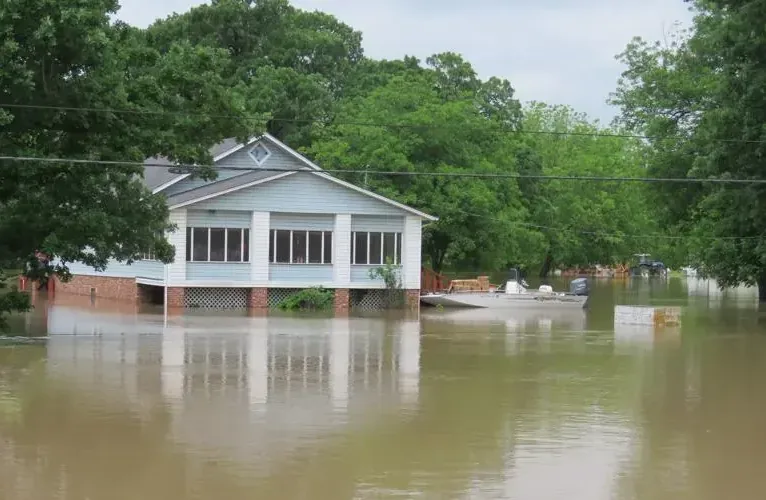
Storm Water and Creek Flood Cleanup
Storm runoff and high water bring dirty water indoors. The crew clears it and treats what it touched.
How storm water and creek flood cleanup works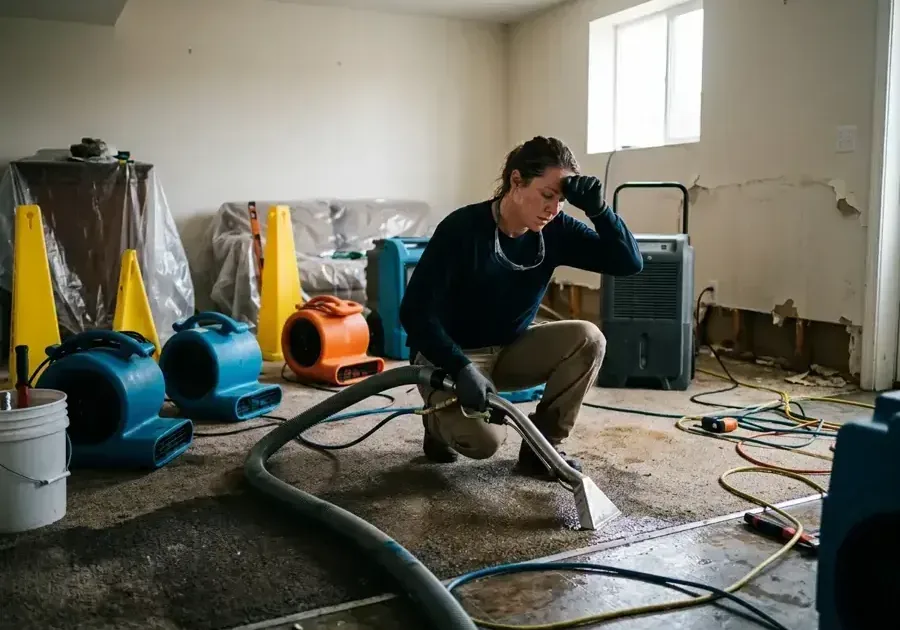
Water Extraction and Removal
Truck-mounted and portable pumps pull standing water quickly, then moisture mapping shows what is still wet.
How water extraction and removal works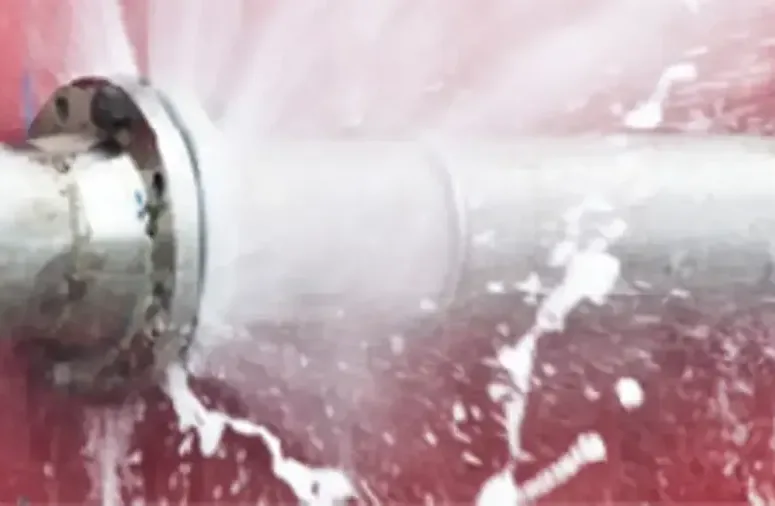
Burst Pipe Water Damage
A split pipe can soak several rooms. The crew finds the wet areas, then extracts and dries them.
How burst pipe water damage works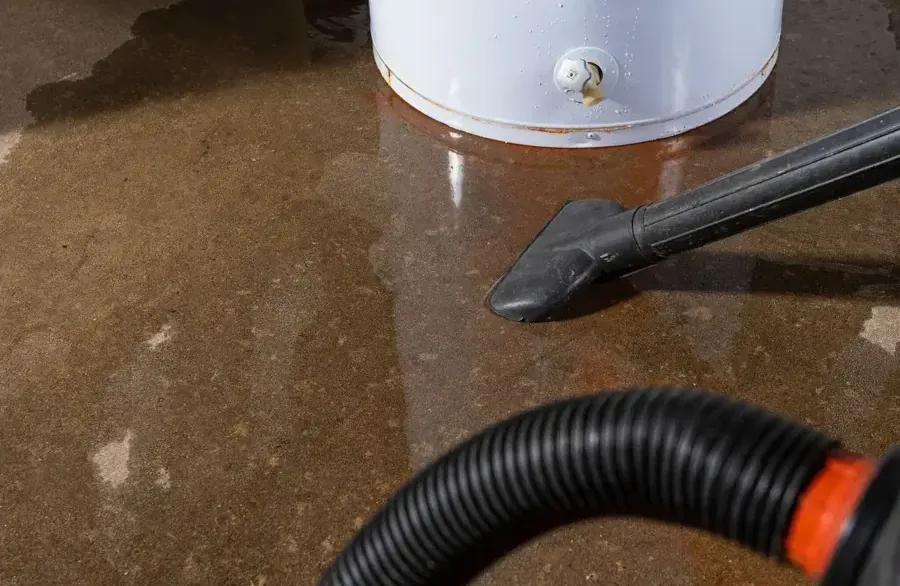
Water Heater Leak Cleanup
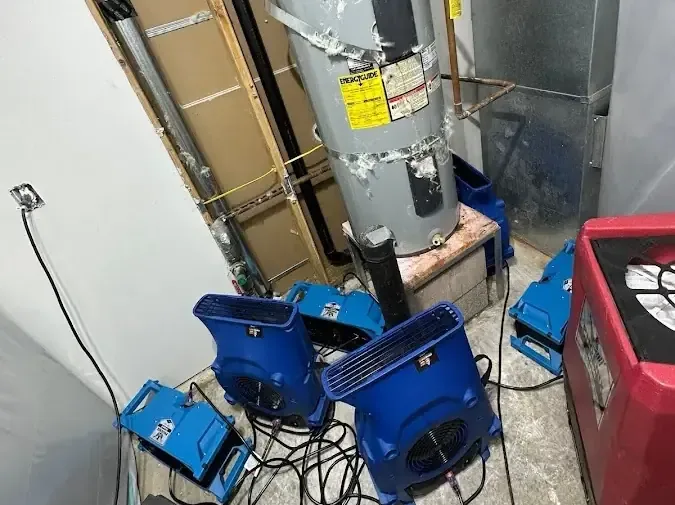
A leaking tank wets the utility room and the room beside it. Drying keeps the floor from staying damp.
How water heater leak cleanup works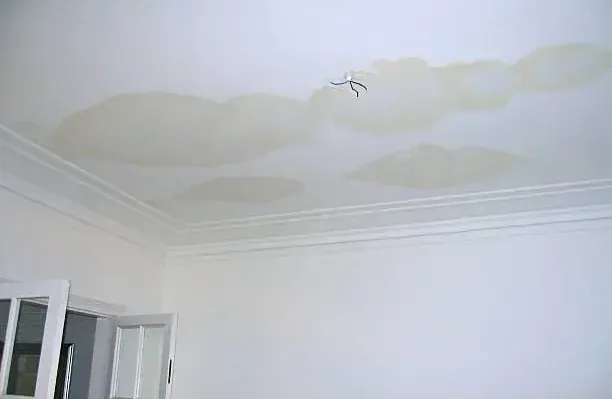
Ceiling Leak Water Damage
A stained or sagging ceiling hides wet drywall above. The team opens it and dries the cavity.
How ceiling leak water damage works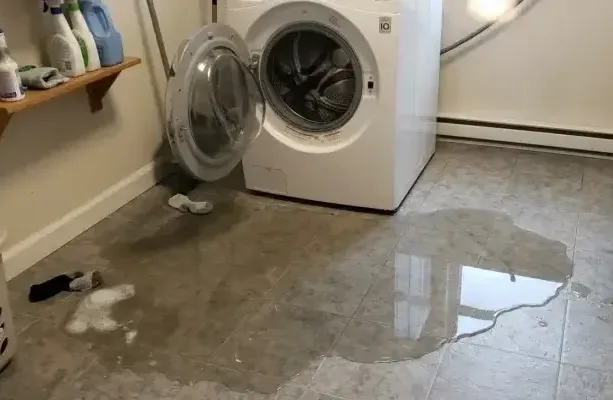
Appliance Leak Water Damage
Washers, dishwashers and ice makers leak under floors and cabinets. Moisture mapping shows where the water traveled.
How appliance leak water damage works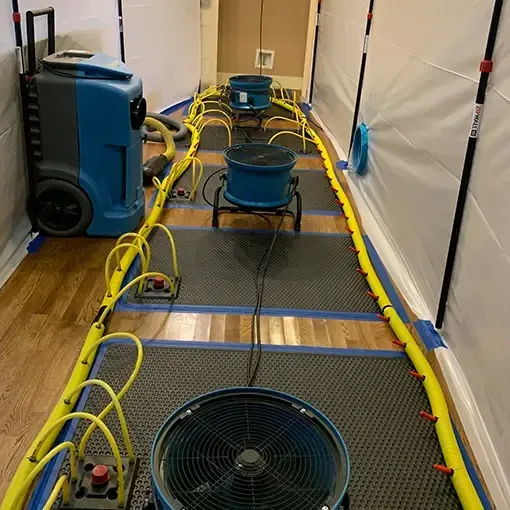
Structural Drying and Dehumidification
Remodeled lakeshore homes mix old and new materials. Planned airflow and dehumidification run until readings reach the goal.
How structural drying and dehumidification works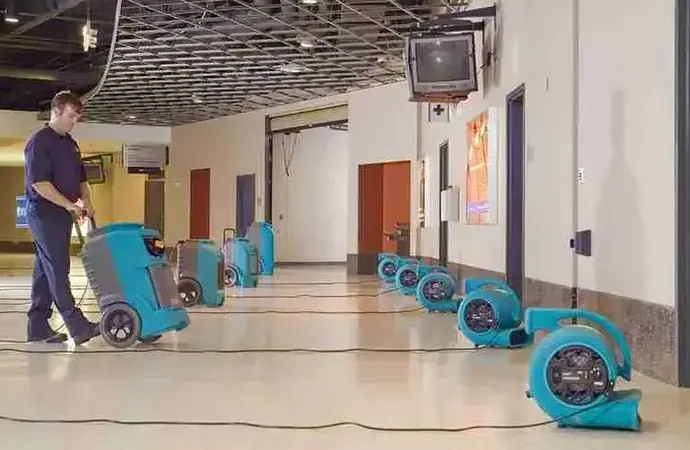
Commercial Water Damage
Shops, offices and marinas need drying plans that limit downtime. Work is phased and documented for owners and insurers.
How commercial water damage worksWhat to do first when water gets inside
Safety comes before cleanup, and the early steps shape the repair. These steps protect people, limit the spread and make the claim easier to document.
(888) 432-4933Start with one call- 1
Check for hazards
If water reaches outlets or the panel, stay out and cut power only from a dry spot.
- 2
Stop the source
Close the supply valve, or the main if the source is unclear. After a sewer or septic backup, stop using water.
- 3
Move what you can
Lift small items, rugs and electronics onto dry surfaces. Leave heavy furniture where it sits.
- 4
Photograph everything
Take wide and close photos of the water, the damage and the source before anything is thrown out.
- 5
Call for extraction
One call starts the removal plan. Dirty water from sewage or a flooded yard needs protective gear.
Dry means numbers, not a hunch
A finished dry-out is proven with moisture readings, not guessed by touch. Drywall, framing and floors are tracked against a dry reference until every reading settles on the final visit.
- 1
Trace the wet areas
A moisture meter and thermal camera show where water traveled, including behind baseboards and under floors that look fine.
- 2
Extract the standing water
Pumps and wands remove what can be removed, because every gallon left behind has to be dried out of the structure.
- 3
Set controlled drying
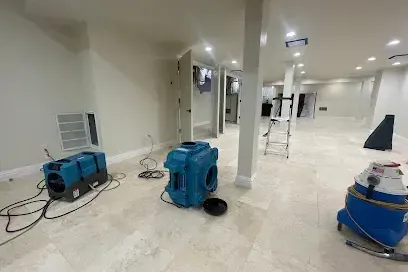
Air movers and dehumidifiers go in to a plan, with wet cavities opened or vented so air reaches the framing.
- 4
Measure until the goal
Readings come each visit, equipment leaves as spots reach dry, and the final set is saved for the file.
All water damage categories covered in Orono, MN
Category 1: clean water
Failed supply pipes release clean water that turns worse the longer it sits.
Burst pipe damage cleanupCategory 2: gray water
Washer and dishwasher discharge carries some contamination and calls for stricter removal.
Appliance leak water damageCategory 3: black water
Sewage, septic overflow and yard flood water carry disease risk, so contaminated materials come out.
Sewer backup cleanupWhat does water damage restoration cost in Orono, MN?
Water damage restoration usually runs from $1,300 to $25,000, depending on what the water was, how far it spread and how long it sat. A contained clean-water leak is at the low end, and a sewage or flood loss at the high end.
These are typical figures, not a quote. For a rough number try the water damage cost calculator, and plan the schedule with the drying time estimator.
Small clean water leak
$1,300 to $4,000- One room or area
- Dried where it sits
- Daily moisture logs
Several rooms or a lower level
$4,000 to $12,000- Wet drywall cut out
- Pad and flooring pulled
- Cavities dried
Sewage, flood or whole level
$12,000 to $25,000- Containment walls set
- Porous materials removed
- HEPA air scrubbing
Water moves differently around a lake
Many homes around Crystal Bay, Stubbs Bay and Navarre were built before 1960, and the city's housing plan notes extensive remodeling, especially on the lakeshore. Water can travel behind newer finishes, so the team checks beyond the visible stain and follows the moisture to where it stopped.
Response at any hour
Lake homes lose water at night and on weekends too, so help gets arranged whenever the call comes.
Measured drying
Equipment is set to the IICRC S500 drying standard, and readings decide when a room is done.
Claim-ready records
Moisture logs, photos and equipment notes are organized so an adjuster can follow the work.
Water sense near the lake
The team knows how groundwater, lake levels and septic systems change what a loss looks like.
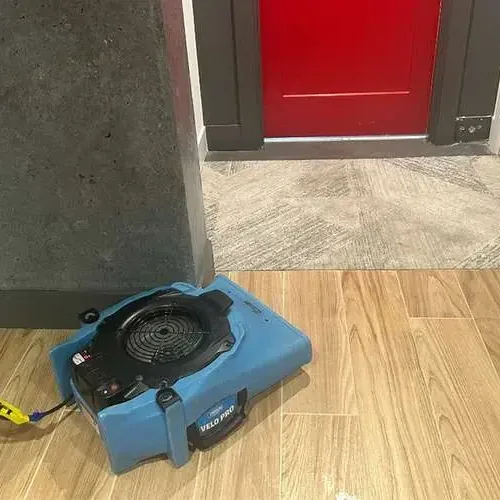
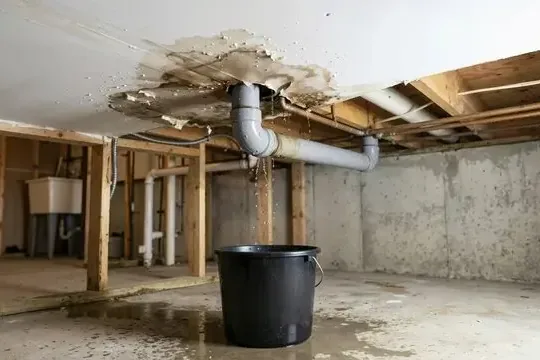
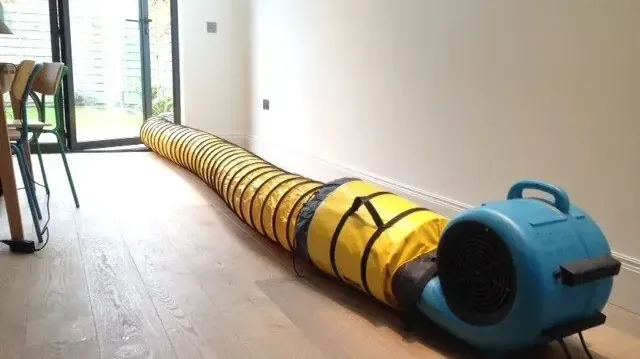
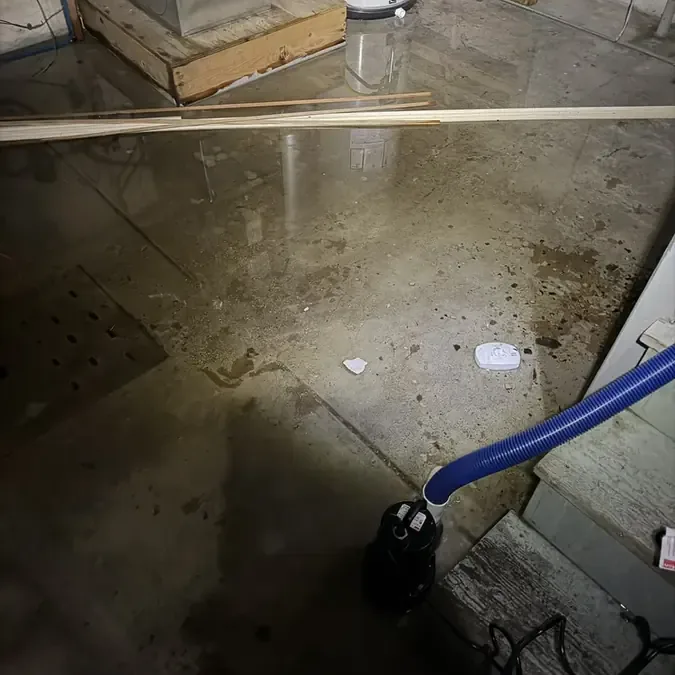
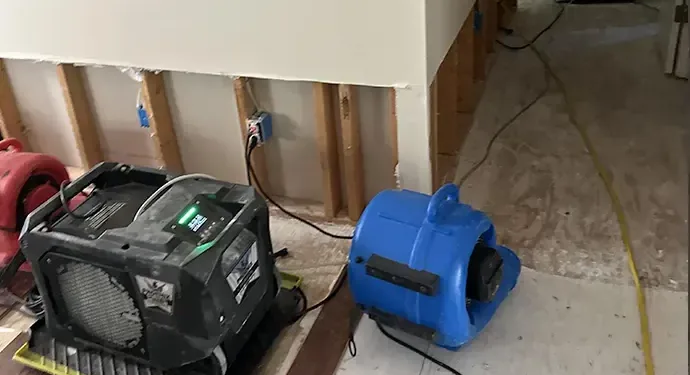
Equipment and methods used on lakeshore losses
Documenting water damage for insurance
A clear file helps a claim move. The team records what the water touched, what was removed and how drying progressed, so an adjuster can verify it.
- Dated photos of the source, the standing water and each wet room
- Moisture readings from the first visit through the final one
- A list of materials removed and the reason for each
- Equipment placed, with the days it ran
- The cause of loss written in plain language
Neighborhoods and corridors around the lake
Neighborhoods and roads
ZIP code
Nearby cities
Water damage in Orono, MN: the local risk profile
Orono is largely residential and the largest city by area on Lake Minnetonka, with many wetlands, ponds and streams across the rest. The whole city sits in the Minnehaha Creek Watershed District. City sewer serves only Navarre and the Highway 12 corridor, and the rest of the city runs on private septic systems.

- 1955
Orono Village incorporated effective in 1955 from lakeside settlements including Navarre, Crystal Bay and Bederwood, so older lakeshore housing and newer building sit side by side.
- June 2014
Lake Minnetonka reached its highest level since records began in 1906, and Gray's Bay Dam could not control lake or creek levels for 83 consecutive days.
- 2016
The wettest year on record in the Minnehaha Creek watershed followed, a sign that high groundwater is not a one-time event here.
- Spring 2025
Construction on improvements to lift stations L46 and L49 near Shadywood Road was scheduled to start, part of ongoing sewer work.
High groundwater
The city links high groundwater and heavy rain to basement flooding, and lakeside lots feel both.
Septic failures
Outside the sewer areas, a full or failed septic tank can push wastewater into the lowest drain, and the owner is responsible for the system.
Sewer overload
Where city sewer serves homes, heavy rain and clear water entering the system can overload it and send water into basements.
Winter pipe losses
Hard freezes split exposed pipes and meltwater backs up under roofs, soaking walls long before a stain appears.
Orono water damage questions, answered
Does city sewer serve every Orono home?
No. City sanitary sewer serves the Navarre area and the Highway 12 corridor, and the rest of the city uses private septic systems. Which one is backing up decides who fixes the source and who handles cleanup.
What if a septic tank backs up indoors?
Stop using water, keep people and pets out, and call a septic contractor for the tank. The restoration crew handles the contaminated floor, walls and contents, which are treated as Category 3 water.
How much does water damage restoration cost?
A contained clean-water leak often runs $1,300 to $4,000. Several rooms or a lower level usually fall between $4,000 and $12,000, and sewage or flood losses reach $12,000 to $25,000. Those are typical figures, and an inspection narrows them.
Can high lake levels flood a basement?
They can contribute. The lake peaked in June 2014 at a level not seen since record keeping started in 1906, and the city also points to groundwater and heavy rain behind basement flooding.
Where should a sump pump drain?
The city does not want sump pump discharge, roof drains or foundation drains tied into the sanitary sewer. Send it to the storm sewer or out onto the yard, away from the house. Check that the discharge hose points away from the foundation.
Does insurance cover lake or groundwater flooding?
Often not under a standard policy, since flood, groundwater and sewer backup are commonly separate coverages. Read the policy and ask the carrier before the work is scoped.
What does a lift station alarm mean?
A red light or buzzer at a lift station signals a problem, and the city asks that it be reported to Public Works. A stopped station can let wastewater back up into nearby homes.
Is rusty water after spring flushing a leak?
The city flushes water mains in spring, which can bring rusty water and lower pressure on that day. Water bubbling up along a road may be a main break to report to the city.
How long does a dry-out take?
Many clean-water jobs dry in about three to five days, though depth, materials and humidity change that. Readings, not the calendar, decide when equipment leaves, and the team shares each set.
Do remodeled lakeshore homes dry differently?
Often. The city housing plan notes extensive remodeling, especially on the lakeshore, so one wall can hold layers of material that dry at different rates and need separate readings. The team maps each layer instead of trusting the surface.
Can businesses near Navarre call too?
Yes. Commercial water damage covers shops, offices, marinas and other lake services, with phased drying and after-hours work so operations can continue where possible. Containment walls keep drying equipment away from areas still in use.
Water in the house? Get the lakeshore drying started.
The crew extracts, dries and documents so the home gets back to normal with a record an adjuster can read. Tell the team what happened and where.
(888) 432-4933Begin the drying plan- Active water treated as urgent, 24/7
- Drying goal set by IICRC S500
- Moisture logs kept for the adjuster
- Find us on Google