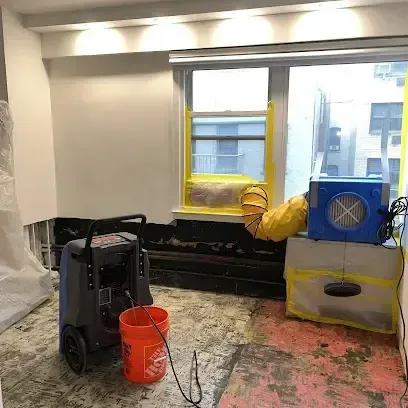
Water Damage Restoration Minnetonka, MN
Water damage restoration in Minnetonka, MN, around the clock. The drying team pulls out standing water, dries framing and floors to the IICRC S500 standard and keeps the records your insurer asks for, from Glen Lake homes to Ridgedale shops.
(888) 432-4933Get standing water pulled out nowZIPs 55305, 55343, 55345 and 55391, plus Hopkins, Edina and St. Louis Park.
Water Damage Restoration Services in Minnetonka, MN
Fourteen water problems, each handled by its own rules. Lakeside and creekside homes, a sizable rental stock and long winters shape which ones come up most often.
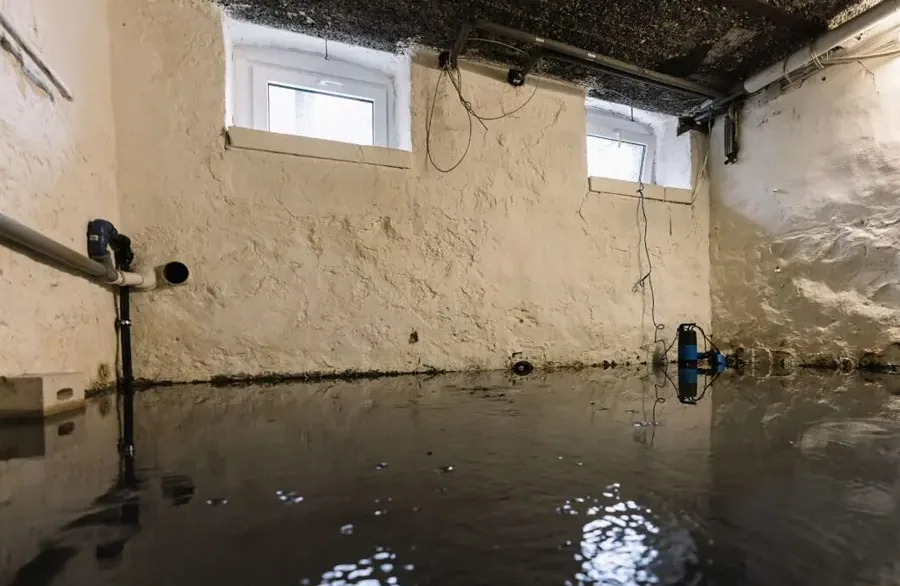
Basement Flooding Cleanup
Water from heavy rain, high creek or lake levels or a failed sump extracted from the basement, with the lower walls dried.
How basement flooding cleanup works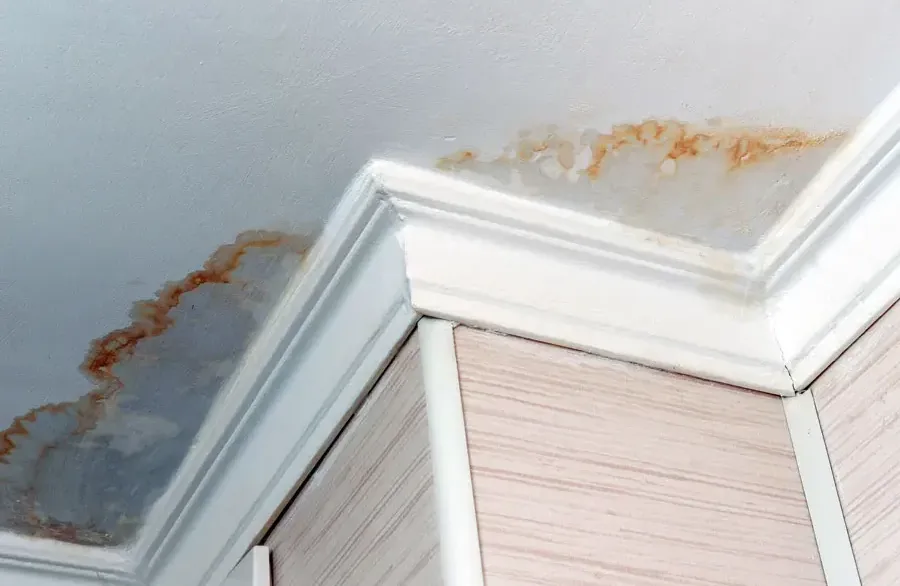
Apartment and Condo Water Damage
With thousands of units in multi-unit buildings, a leak upstairs is traced into every ceiling and wall it reached and dried.
How apartment and condo water damage works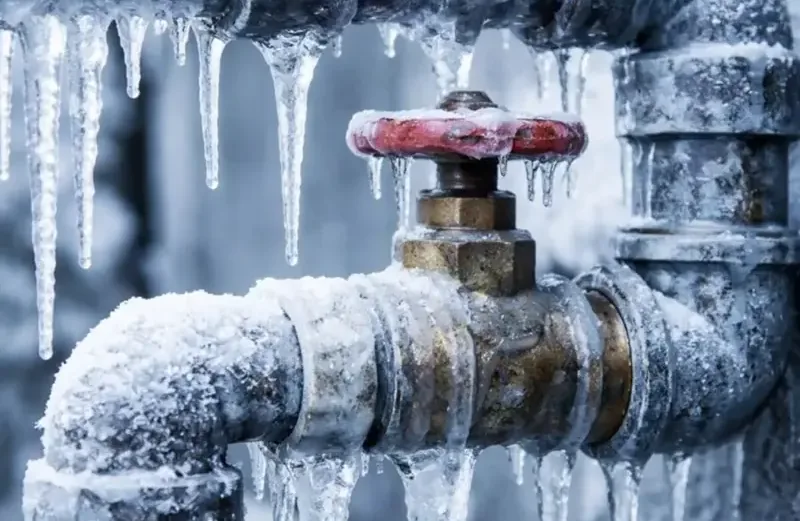
Frozen Pipe Cleanup
Subfreezing nights split pipes in outside walls; once the thaw reveals the leak, the cavity is opened only where it reads wet.
How frozen pipe cleanup works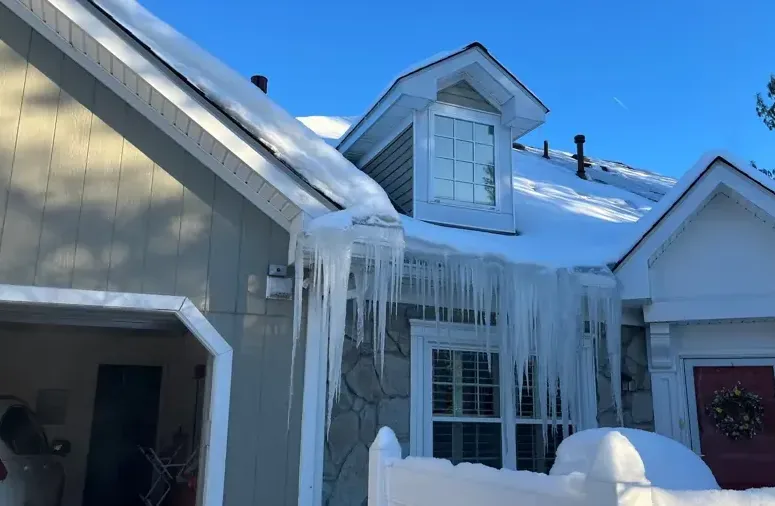
Ice Dam Water Damage
Roof-edge ice sends meltwater into exterior walls and ceilings; soaked insulation comes out and the framing is dried.
How ice dam water damage works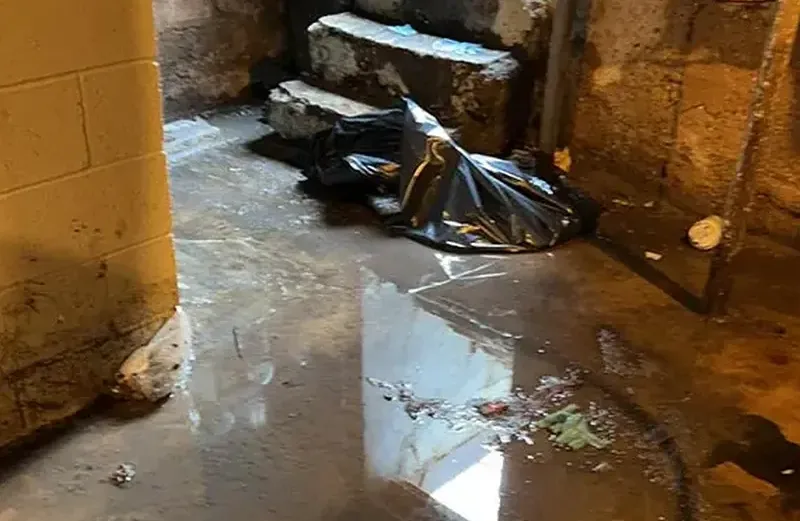
Sewer Backup Cleanup
Backups through basement drains treated as Category 3: protective gear, containment, porous removal and antimicrobial.
How sewer backup cleanup works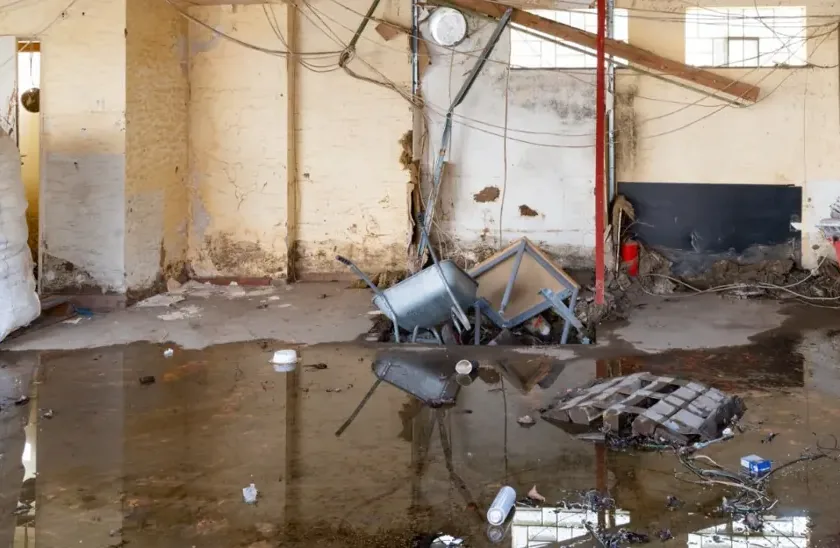
Sump Pump Failure Cleanup
When the sump stops during a storm or thaw, groundwater spread across the floor is extracted and the slab dried.
How sump pump failure cleanup works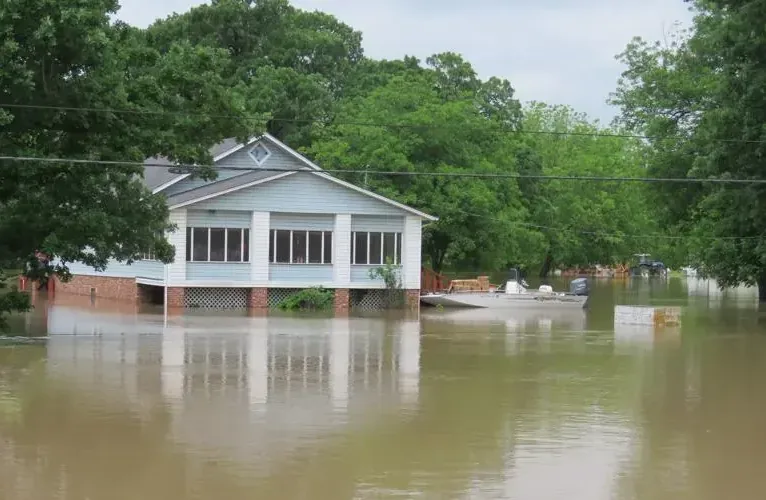
Storm Water and Creek Flood Cleanup
Runoff and high water near the lake, Minnehaha Creek and Purgatory Creek handled as Category 3 water and dried.
How storm water and creek flood cleanup works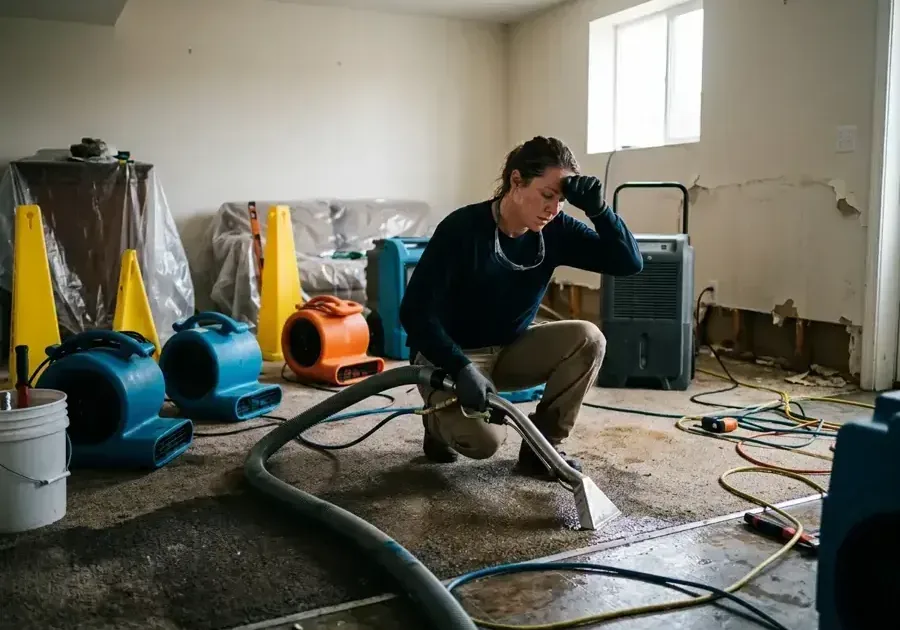
Water Extraction and Removal
Truck-mounted suction removes standing water from carpet, pad and concrete before it wicks into walls.
How water extraction and removal works
Burst Pipe Water Damage
Supply pipe and fitting failures extracted, with wall cavities vented or opened only where the meters say.
How burst pipe water damage works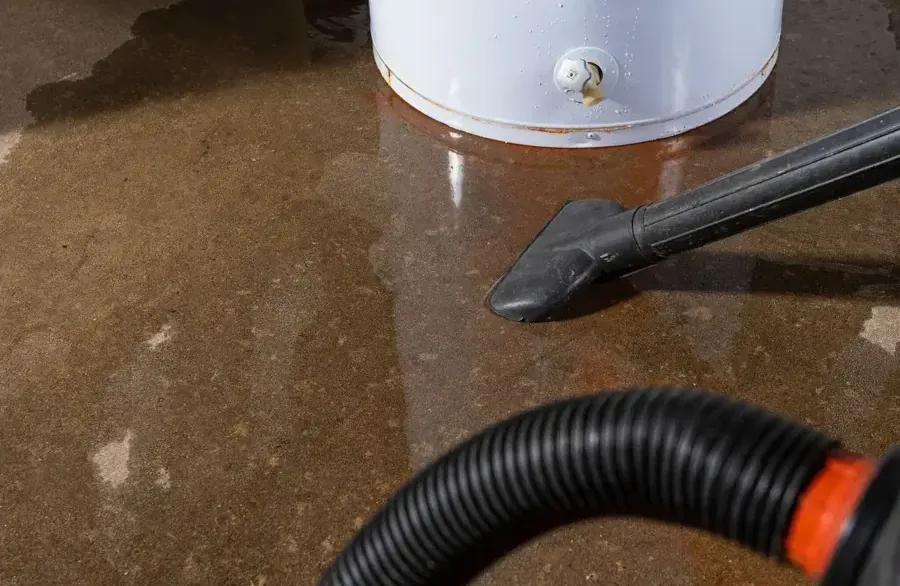
Water Heater Leak Cleanup
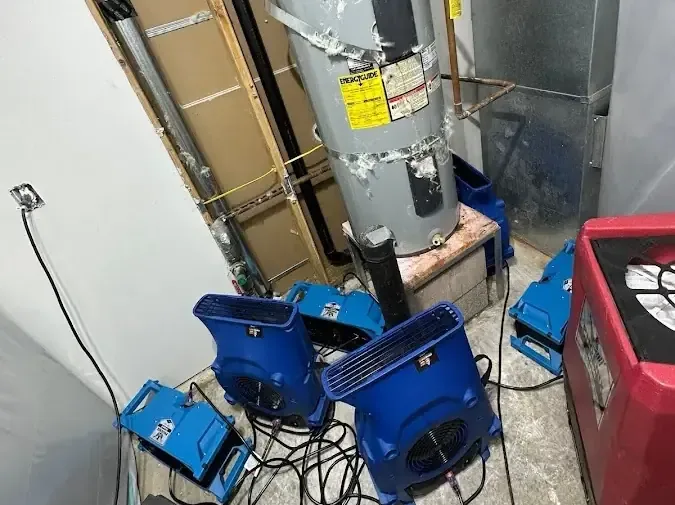
A leaking tank's water pulled from the utility room and dried out of the slab and nearby walls.
How water heater leak cleanup works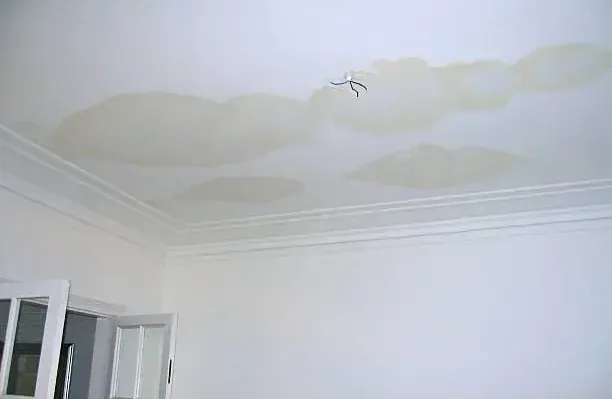
Ceiling Leak Water Damage
Bath, toilet and supply leaks from the floor above traced through the joists, drained safely and dried.
How ceiling leak water damage works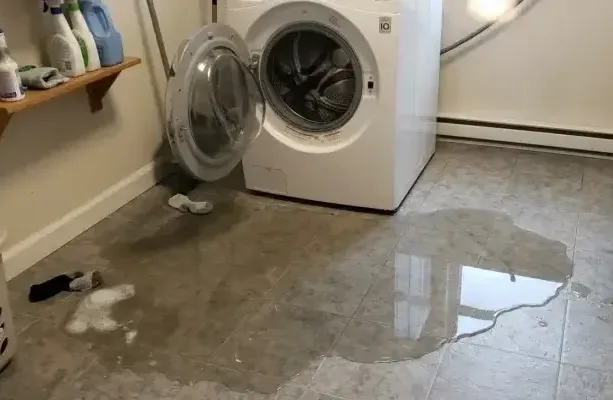
Appliance Leak Water Damage
Washer, dishwasher and refrigerator leaks dried out from under cabinets, flooring and the room below.
How appliance leak water damage works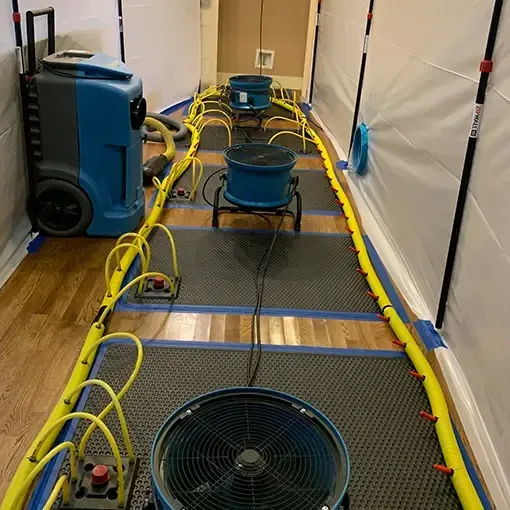
Structural Drying and Dehumidification
Studs, subfloor and cavities dried until they read within 2 to 4 points of an unaffected reference.
How structural drying and dehumidification works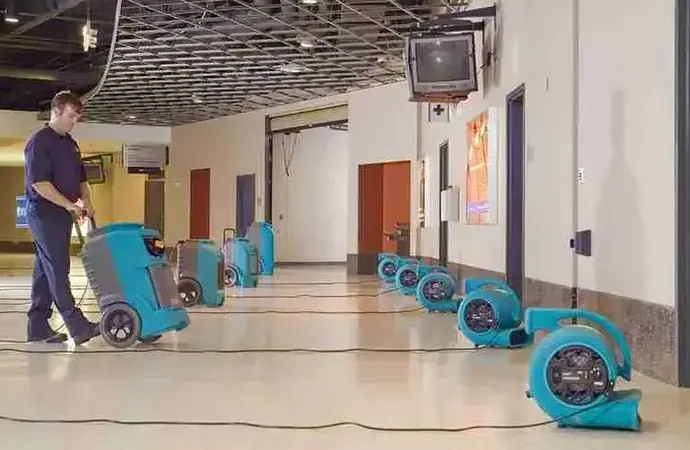
Commercial Water Damage
Offices, retail space around Ridgedale and corporate campuses dried zone by zone so work can continue.
How commercial water damage worksFirst moves while water is still spreading
What happens in the first hour decides how much material comes out later. Five steps limit the damage in any home here while help is on the way.
(888) 432-4933Call while the water is still spreading- 1
Shut off the water
Close the main valve or the fixture valve; in basement homes the main usually sits beside the meter.
- 2
Cut power from a dry panel
Never reach a panel or unplug cords while standing in water, and keep away from the furnace.
- 3
Hold off on drains
If the water came up through a floor drain, stop flushing, bathing and laundry until it is checked.
- 4
Take photos first
Shoot each wet room, the source and damaged belongings before anything gets moved or thrown out.
- 5
Raise what you can
Lift boxes, rugs and electronics off wet floors and slide foil or blocks under furniture legs.
Dried to the IICRC S500 standard, not by eye
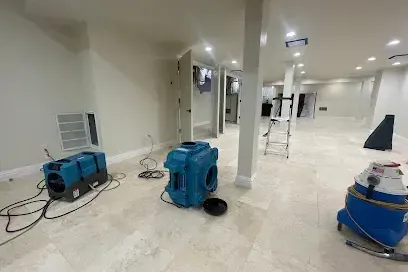
A room can look finished long before the framing is. The drying team keeps equipment running until meter readings prove the wet materials are dry, then records the result for the claim.
- 1
Map the moisture
Pinless meters and a thermal camera show where water traveled, including behind baseboards, under cabinets and into the level below.
- 2
Pull the water
Truck-mounted suction clears carpet, pad and concrete, while portable units cover upper-floor units and tight rooms.
- 3
Set the drying chamber
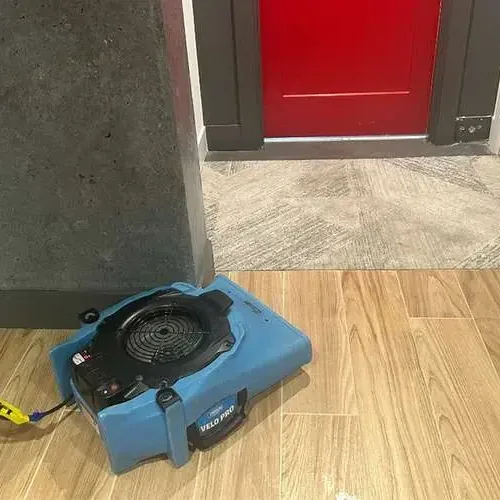
Air movers and LGR dehumidifiers are sized to each room's load, and desiccant units handle hardwood, plaster and cold basements.
- 4
Read until dry
Readings are logged every day, and equipment stays until wet materials match a dry reference within 2 to 4 points.
All water damage categories covered in Minnetonka, MN
Category 1: clean water
Burst supply pipes, failed water heaters and freeze splits. When drying starts fast, most materials can stay.
Burst pipe water damageCategory 2: gray water
Washer drain water, dishwasher overflows and toilet overflows without waste. Drying includes antimicrobial treatment.
Appliance leak water damageCategory 3: black water
Sewage from a drain backup and floodwater from the lake or the creeks. Porous materials it reached are removed.
Sewer backup cleanupWhat does water damage restoration cost in Minnetonka, MN?
Water damage restoration in this area typically runs $1,300 to $25,000. Clean-water leaks caught early sit at the low end, while sewer backups and whole-basement floods reach the top, with water category, wet square footage, materials and drying start time setting the number.
Ranges are typical, not quotes. For a closer figure for your own rooms, try the cost calculator or the drying time estimator.
Contained clean-water leak
$1,300 to $4,000- One or two rooms
- Dried in place
- Readings logged daily
Several rooms or a finished basement
$4,000 to $12,000- Pad and carpet removed
- Lower drywall opened
- Equipment for several days
Sewage or major flooding
$12,000 to $25,000- Category 3 containment
- Porous materials removed
- HEPA air scrubbing
How the drying team approaches a water loss here
Housing here splits between single-family homes, about 64.3 percent of units, and buildings with two or more units. Water in a house runs under walls and down to the lowest level; in a multi-unit building it drops into the unit below. Either way, the drying team follows the readings.
Round-the-clock response
Dispatch runs 24/7, and active water in any neighborhood of the city is treated as urgent, overnight and on holidays too.
IICRC S500 drying
The structure is dried, not just the surface, with equipment matched to the class of loss and left until readings hit the goal.
Records built for the claim
Moisture maps, daily psychrometric logs and timestamped photos taken before demolition go into one file.
Lake and creek awareness
Flood concerns here center on the eastern tip of the lake, Minnehaha Creek and Purgatory Creek.
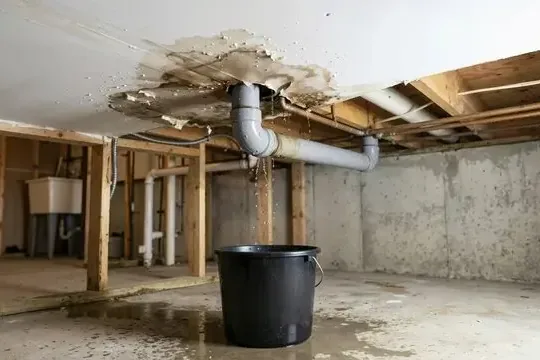
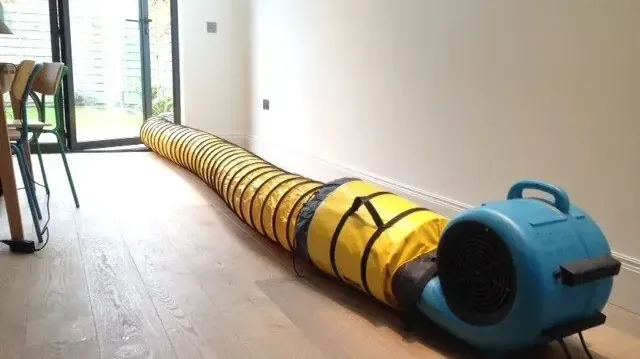
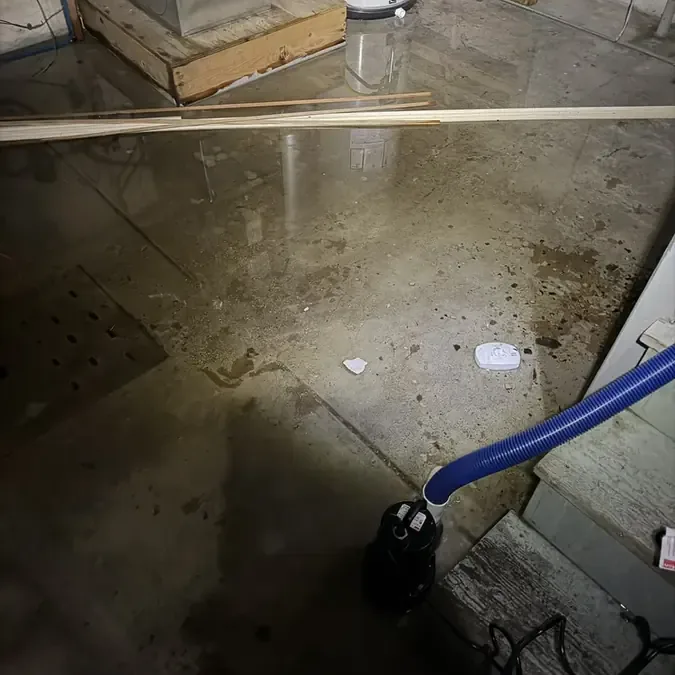
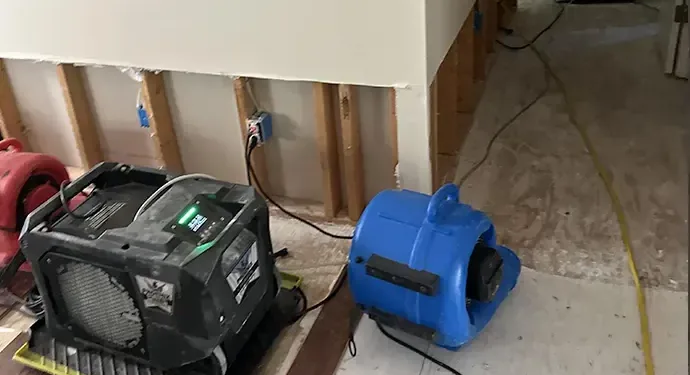
Inside a water damage dry-out, step by step
Documentation for your insurance claim
Adjusters decide water claims from the paperwork. A complete file for a loss in this area holds five pieces, each gathered while the work is underway.
- A moisture map from the first visit showing every wet material
- Daily logs of temperature, humidity and material readings
- Timestamped photos from before any material is removed
- The category of water and class of loss, with the source
- An itemized, line-by-line scope of the work
Water damage restoration throughout the city
Areas and corridors
ZIP codes
Nearby cities
Water damage in Minnetonka, MN: the local risk profile
The city takes in the eastern tip of Lake Minnetonka, where Minnehaha Creek leaves the lake at Gray's Bay Dam and flows on through Hopkins. Purgatory Creek and Glen Lake are also inside the city. The median home was built in 1981, and about 35.7 percent of housing units sit in buildings with two or more units.

- Settlement days
A grist mill built on Purgatory Creek was washed out by a flood shortly after it went up, while the first settlement grew along the creeks.
- 1979
The Minnehaha Creek Watershed District built the current Gray's Bay dam to address flooding on the lake and the creek; it helps keep the lake near an average of 929 feet.
- July 1987
A superstorm on July 23 and 24 dropped more than 10 inches of rain on suburbs west and southwest of Minneapolis.
- June 2014
The lake hit a record 931.11 feet above sea level, and Minnehaha Creek set a record flow of 889 cubic feet per second.
Lake and creek frontage
Homes near the eastern tip of the lake and along Minnehaha Creek sit beside water that reached a record level in 2014.
A large multi-unit stock
About 8,831 housing units sit in buildings of two or more units, where one leak can reach the ceiling below.
Inflow and infiltration
Metropolitan Council Environmental Services lists the city among communities where clear water enters sanitary sewers, adding load in wet weather.
Subfreezing winters
Twin Cities cold can freeze and burst pipes in outside walls, and roof-edge ice pushes meltwater into ceilings.
Minnetonka water damage questions, answered
What should happen in the first hour?
Shut off the water at the main or the fixture, cut power to wet rooms from a dry panel, keep out of standing water near outlets and photograph the damage before moving anything. Then call for extraction, since mold can start within 24 to 48 hours.
Who do I call about a sewer backup?
The city's sewer page tells residents to call the city during business hours, or 911 after hours, about a backup. The cleanup inside the house is separate: the mitigation team handles extraction, removal of contaminated materials, disinfection and drying. See sewer backup cleanup.
Does living near the lake or Minnehaha Creek raise flood risk?
Flood concerns in the city center on the eastern tip of the lake, Minnehaha Creek and Purgatory Creek, and the lake set a record level in June 2014. The city publishes floodplain maps residents can check for their own property. See basement flooding cleanup here.
How fast can drying start?
Dispatch runs 24/7 and active water is treated as urgent. Travel time depends on the hour, the weather and the roads, so the best step is to call as soon as the water is found and begin the first-hour steps.
A leak upstairs reached my apartment. What happens now?
The source unit and every unit below or beside it are mapped with meters. Each unit gets its own drying plan and its own records, which helps when the building owner's insurer and a renters insurer are both involved.
What does IICRC S500 mean?
It is the restoration industry's standard for water damage work, published by the IICRC. It spells out water categories, equipment setup and the readings that prove a structure is dry, so a dry-out can be checked against something other than appearance.
Will drywall need to come out?
Only where readings or contamination call for it. Drywall wet with clean water and dried promptly can often stay; drywall touched by sewage or floodwater, or wet for several days, is cut out above the highest wet reading.
My pipes froze. When will I know if one burst?
Often only after the thaw, when water starts moving through the split. Watch walls and ceilings near outside walls for stains during the first warm day, and shut the main at the first sign of a leak.
How long does a typical dry-out take?
Most Class 1 and 2 losses dry in three to five days. Hardwood, plaster and concrete hold water longer. The equipment comes out when readings match the dry reference, not on a fixed schedule.
Is mitigation the same as repair?
No. Mitigation stops further damage through extraction, removal of ruined materials and drying. Repair restores finishes such as drywall, paint, flooring and trim afterward, and insurers usually treat the two as separate parts of the claim.
How is the price worked out?
From the category of water, the square footage, the class of materials and the days of equipment, written as a line-item scope. The cost calculator gives a typical range for planning.
Water in a home, rental or office here? Start the dry-out.
The restoration team removes the water, dries the structure to the IICRC S500 standard and records each step for the claim, from Glen Lake to Ridgedale.
(888) 432-4933Water removal at any hour- Active water treated as urgent, 24/7
- Drying goal set by IICRC S500
- Moisture logs kept for the adjuster
- Find us on Google