Water Damage Restoration Plymouth, MN
Water damage restoration in Plymouth is available at any hour. The extraction crew brings truck-mounted pumps and thermal cameras to a suburb built mostly in the 1980s and 1990s, then dries and logs every wet structure until it reads dry.
(888) 432-4933Describe the water, get a planServing ZIP codes 55441, 55442, 55446 and 55447 around Medicine Lake.
Water Damage Restoration Services in Plymouth, MN
Basement water leads the list here, followed by winter pipe failures and storm runoff, with apartment, ice dam and commercial work close behind.
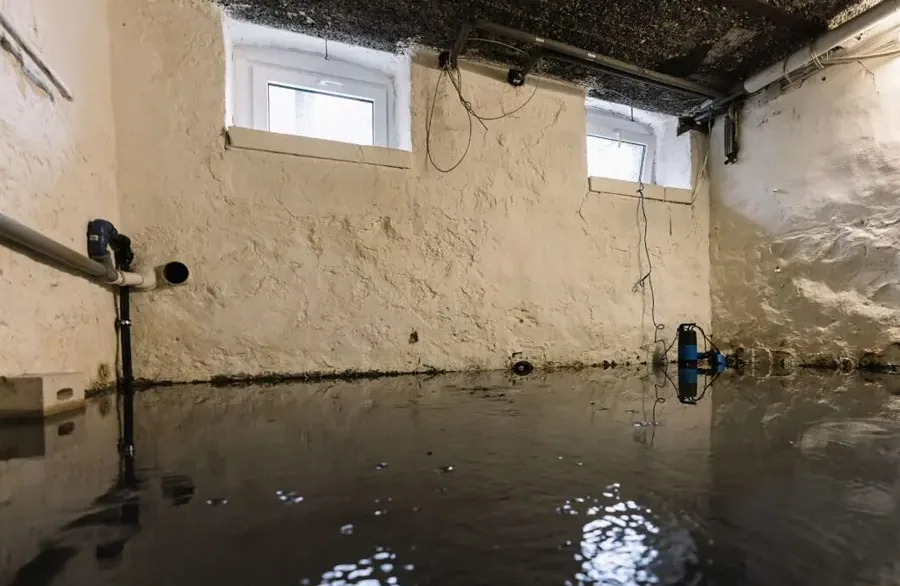
Basement Flooding Cleanup
Heavy rain, a failed sump or a rising creek floods basements, so extraction and slab drying start with a moisture map.
How basement flooding cleanup works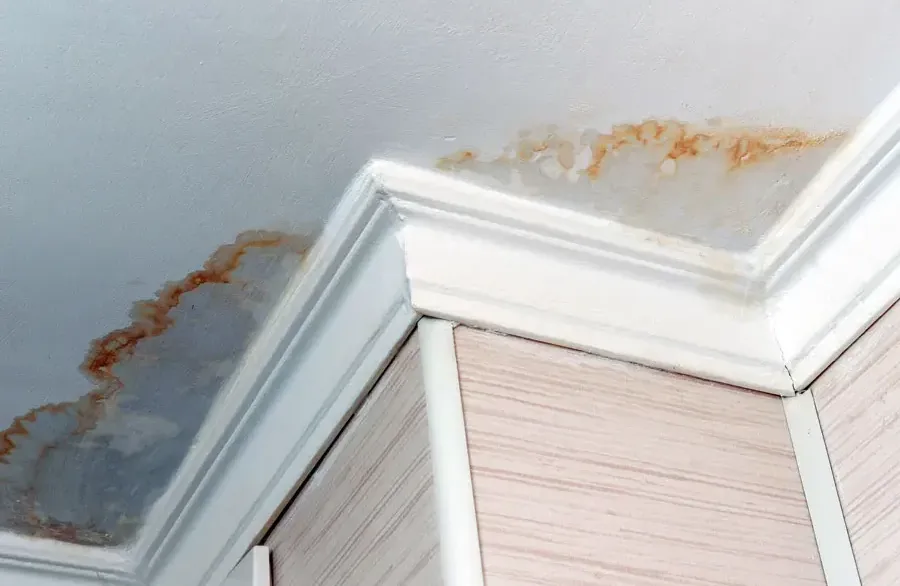
Apartment and Condo Water Damage
A leak upstairs often soaks the ceiling below, so each unit gets its own drying plan and log.
How apartment and condo water damage works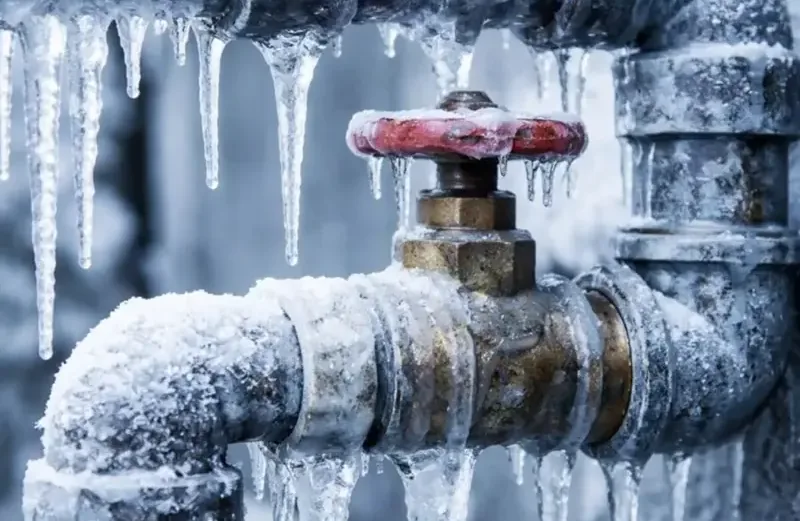
Frozen Pipe Cleanup
Deep winter cold splits pipes in exterior walls, and the team stops the flow, extracts and dries the cavity.
How frozen pipe cleanup works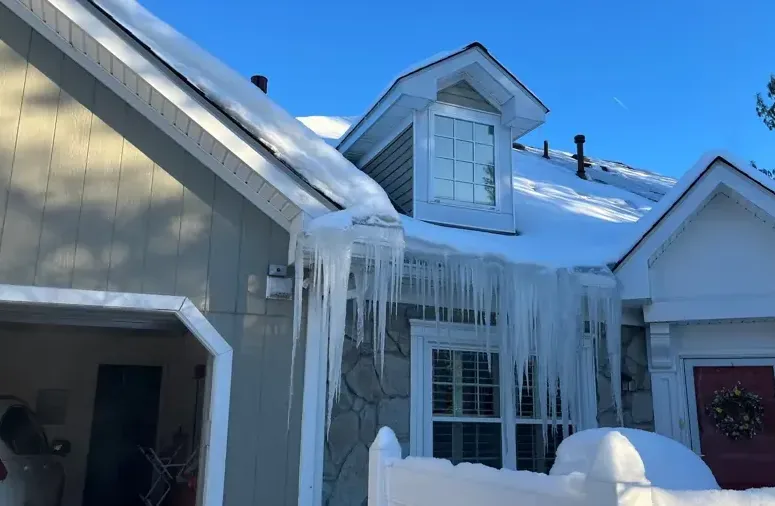
Ice Dam Water Damage
Meltwater backed up under shingles reaches ceilings and exterior walls, where insulation is pulled and cavities dried.
How ice dam water damage works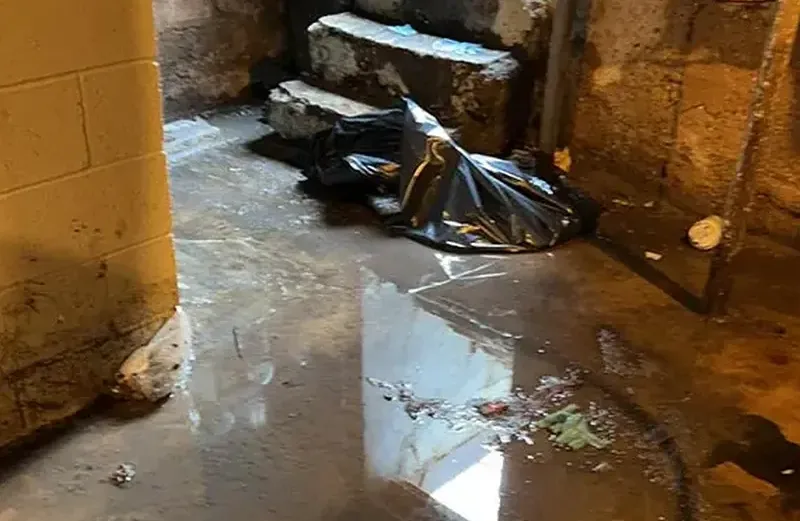
Sewer Backup Cleanup
Sewage is Category 3, so the crew contains the area, removes porous materials and disinfects before drying.
How sewer backup cleanup works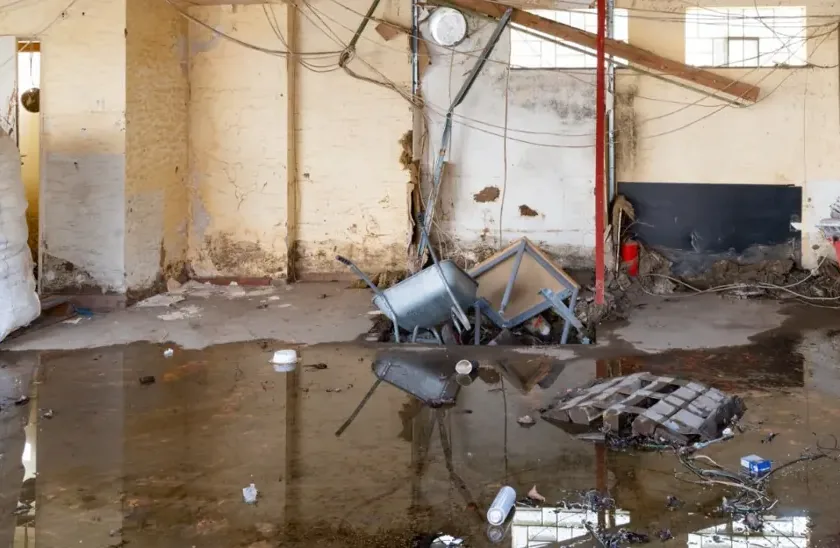
Sump Pump Failure Cleanup
A dead pump or blocked discharge pipe leaves water inside, so the team extracts and dries the slab and walls.
How sump pump failure cleanup works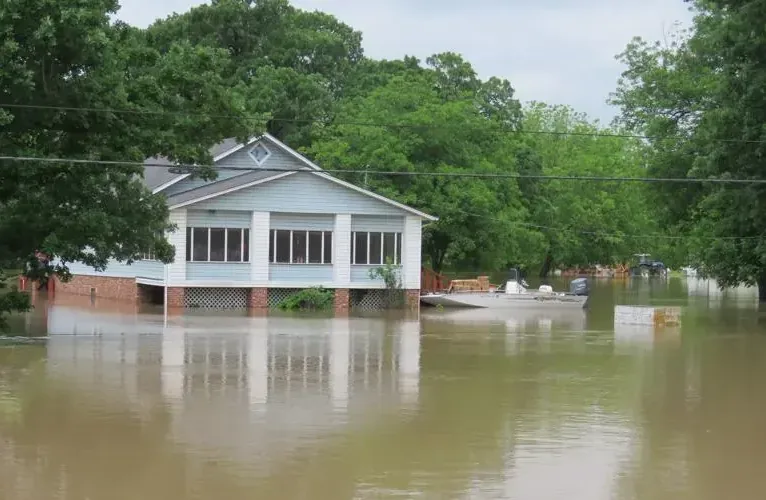
Storm Water and Creek Flood Cleanup
Heavy June rain and creek overflow push water in, so the response team clears silt and wet porous materials.
How storm water and creek flood cleanup works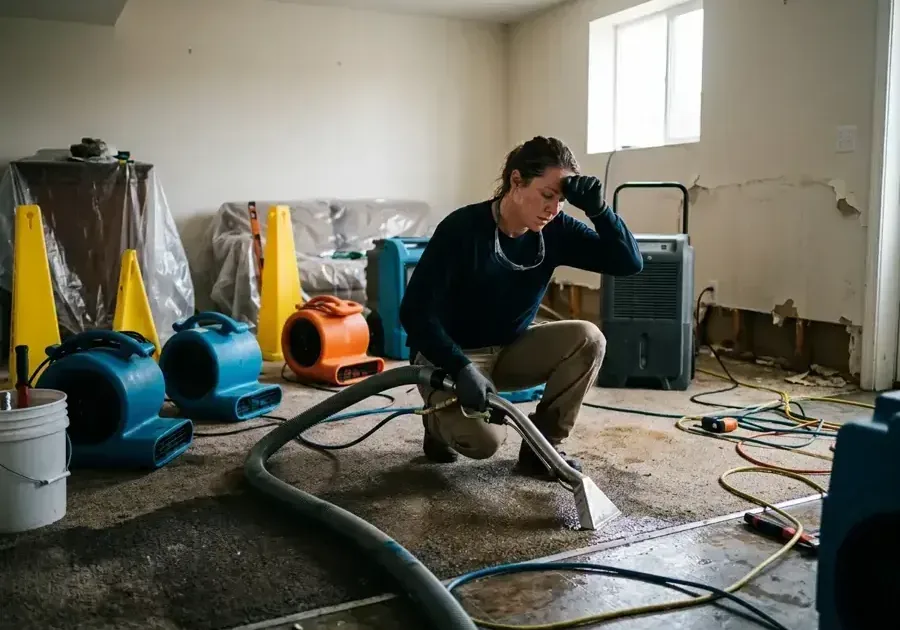
Water Extraction and Removal
Truck-mounted and portable pumps pull standing water from floors and carpet before dehumidifiers take over.
How water extraction and removal works
Burst Pipe Water Damage
A split supply pipe can run for hours inside a wall, so the crew maps and dries every wet cavity.
How burst pipe water damage works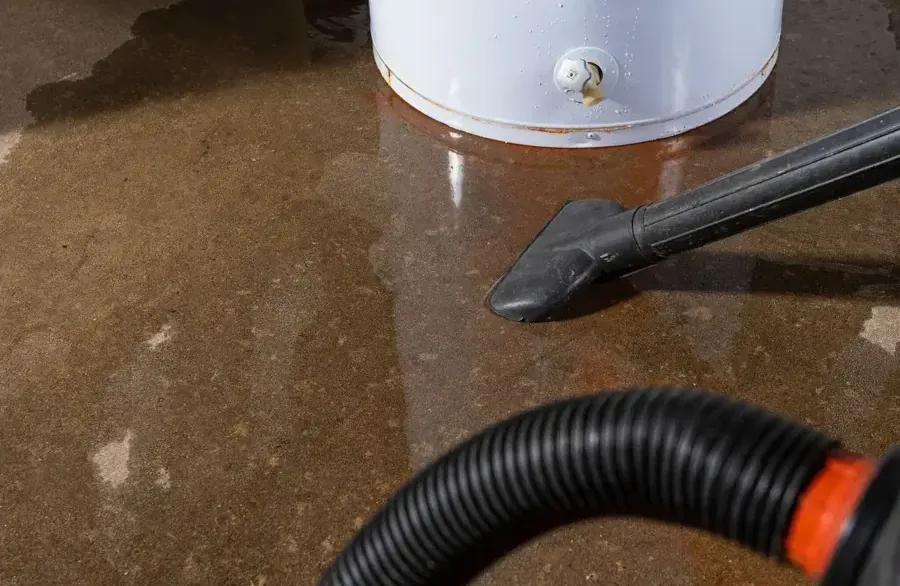
Water Heater Leak Cleanup
A leaking tank soaks the utility room slab and the next room's walls, which are then dried and checked.
How water heater leak cleanup works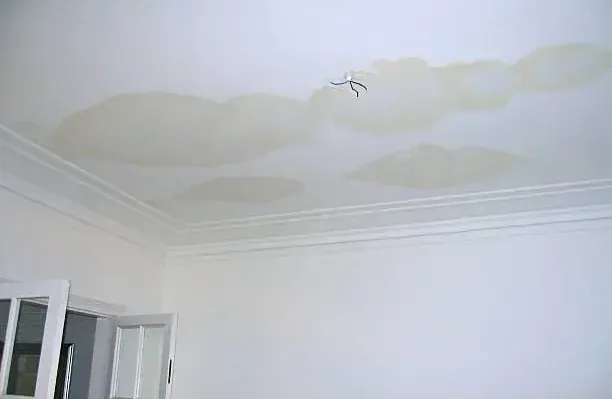
Ceiling Leak Water Damage
A stained ceiling points to a leak above, so the wet joist bay is opened and dried.
How ceiling leak water damage works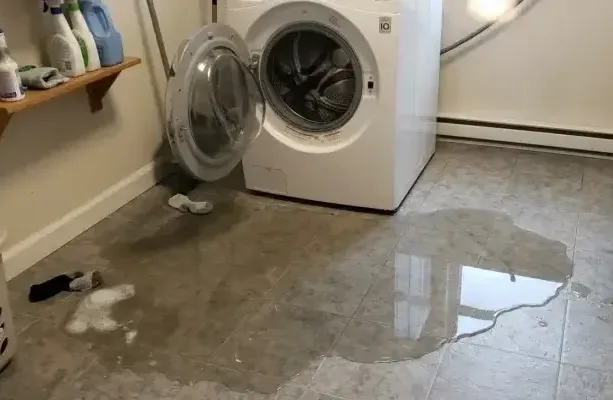
Appliance Leak Water Damage
Washer, dishwasher and refrigerator hoses leak slowly, so cabinet bases, flooring and any room below get dried.
How appliance leak water damage works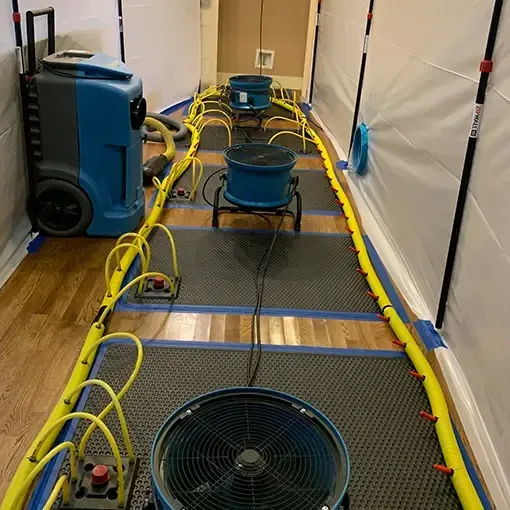
Structural Drying and Dehumidification
Dehumidifiers, air movers and daily readings dry framing, subfloor and hardwood until each material reaches its target.
How structural drying and dehumidification works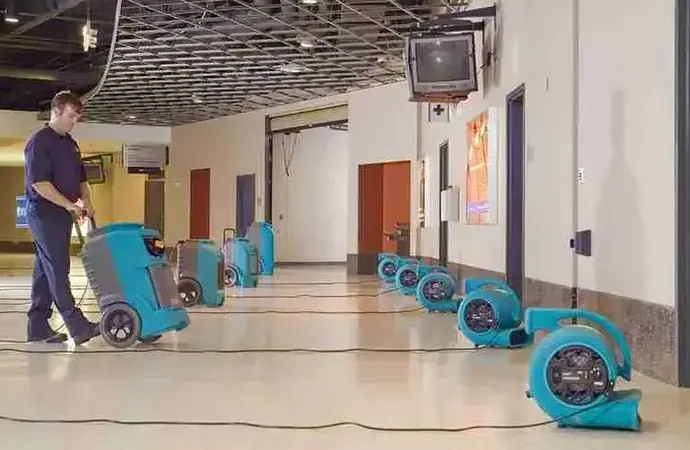
Commercial Water Damage
Offices, warehouses and retail suites get containment, phased drying and after-hours scheduling so tenants keep working.
How commercial water damage worksFirst steps after water damage at your home
A few calm actions at the start protect both the building and the claim. Stop the source, make the area safe, then document before anything is moved.
(888) 432-4933Talk through your loss by phone- 1
Stop the source
Close the fixture valve or the main water shutoff so the flow stops growing the damage.
- 2
Cut power to wet areas
Switch off breakers for wet rooms and stay out of standing water near outlets and cords.
- 3
Report a street main break
A suspected main break outside the home goes to the city's Water and Sewer Division on weekdays.
- 4
Photograph the damage
Photograph the water, the wet materials and the source before anything is moved or thrown away.
- 5
Call the restoration team
Describe the water source and the rooms affected so the response team can plan extraction and drying equipment.
A finished dry-out is measured, not assumed
A dry-out is finished when moisture meters show framing, subfloor and drywall back at the readings of an unaffected area. Equipment stays until the logs say so, not until the surface feels dry.
- 1
Survey the structure
The team scans walls, floors and ceilings to learn how far the water spread past the visible stain, then marks the wet zones.
- 2
Extract the water
Truck-mounted and portable pumps remove standing water, and weighted tools pull moisture out of carpet and pad before anything is torn out.
- 3
Dry under control
Dehumidifiers and air movers are placed by room volume, and wall cavities are vented so trapped humidity can leave.
- 4
Log to the goal
Daily readings are recorded for the adjuster until each material reaches its dry standard, then equipment comes out.
Every water damage category handled, clean to sewage
Category 1: clean water
Supply pipe splits and tank leaks start clean, but sitting water in carpet and pad degrades quickly.
Burst pipe cleanupCategory 2: gray water
Washer and dishwasher discharge carries some contamination, so affected pad and lower drywall are usually removed.
Appliance leak cleanupCategory 3: black water
Sewage backups and creek floodwater carry pathogens, so porous materials come out and the area is contained and disinfected.
Sewage backup responseWhat does water damage restoration cost in Plymouth, MN?
Most jobs here land between $1,300 and $25,000, depending on the water's category, how many rooms are wet and how long it sat. Contained clean-water leaks cost the least, while sewage or a flooded finished basement costs the most and runs longest.
Typical ranges, not a quote. Use the cost calculator or the drying time estimator to narrow the figure for your own loss.
Small clean-water leak
$1,300 to $4,000- Pump and wand extraction
- Drying left in place
- Daily moisture log entries
Several finished rooms wet
$4,000 to $12,000- Carpet pad replaced
- Lower drywall opened
- Wall cavities vented dry
Sewage or flooded basement
$12,000 to $25,000- Sealed work zone
- Affected materials removed
- Sanitizing and air scrubbing
Why house type changes how water damage spreads
The median home was built in 1989, and the 1980s and 1990s are the two biggest building decades. Water in these homes travels along trusses, ducts and stacked floors, so the drying team follows it past the visible stain and into the framing.
Night and weekend response
Water does not wait for business hours, so dispatch stays open overnight, on weekends and on holidays when pipes and pumps fail.
S500 drying standard
Drying follows the S500 standard: category and class are set first, then equipment is matched to the room and logged daily.
Documented for your claim
Photos, moisture maps and daily readings go into one file an adjuster can open.
Local water knowledge
Creek, lake and storm sewer runoff behave differently after heavy rain, and the crew plans for that before the first pump starts.
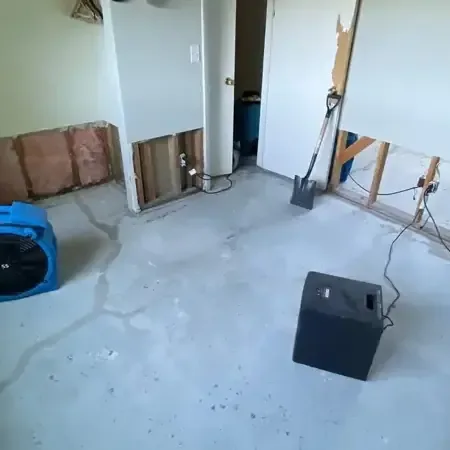
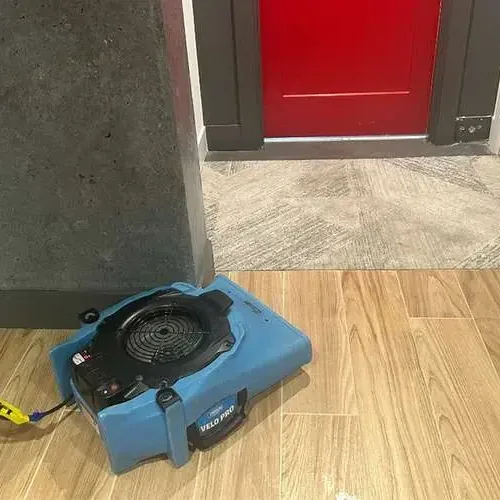
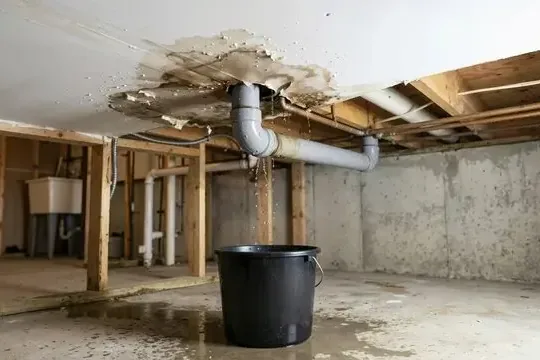
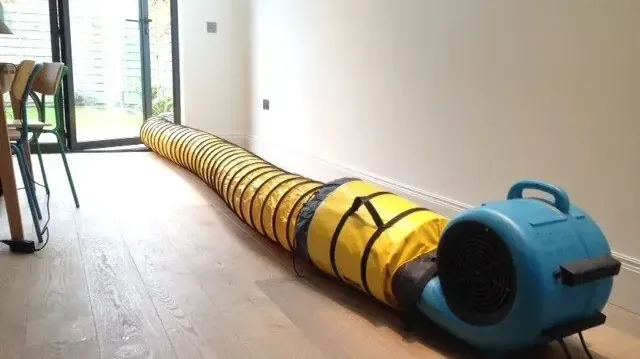
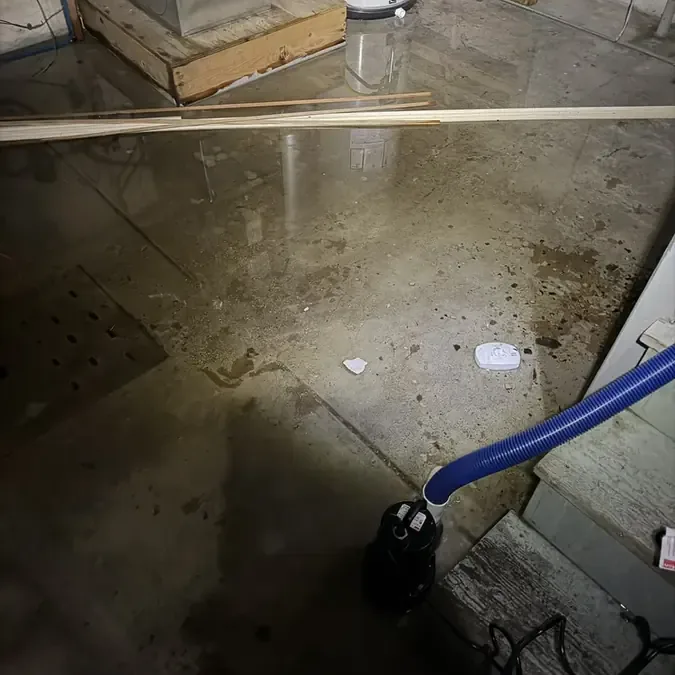
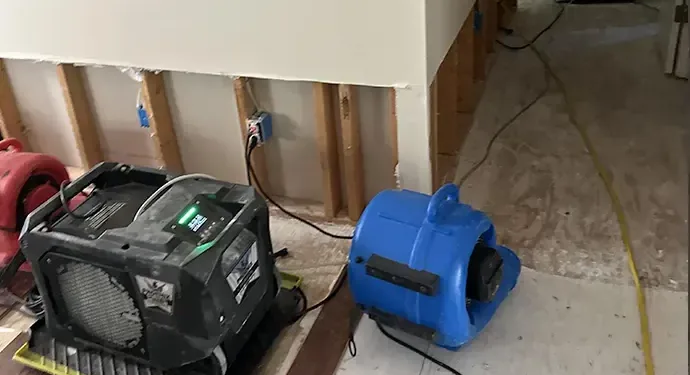
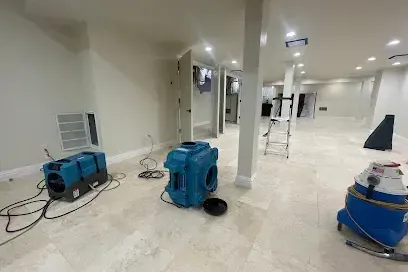
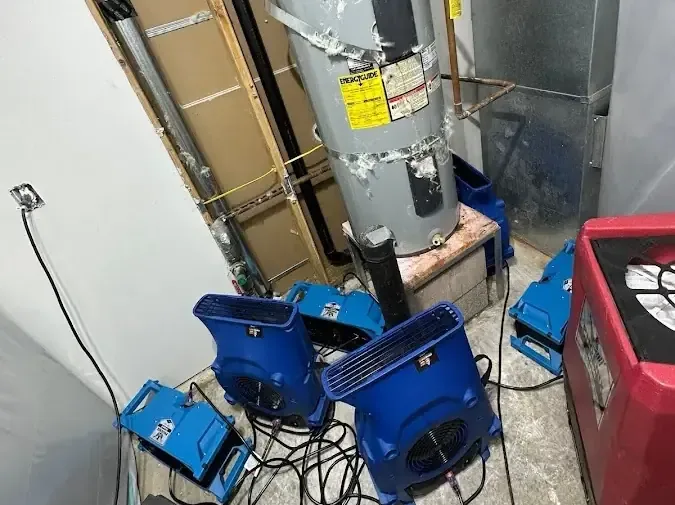
What drying equipment looks like in a wet home
Documenting the loss for insurance
Adjusters judge coverage from the paperwork and photos, so the restoration team builds the claim file while the drying is under way.
- Dated photos of the source, the water and each wet room
- Moisture readings from the first day onward
- A written scope of materials removed and why
- Equipment logs showing what ran and for how long
- Receipts and invoices matching the written scope
Where crews work across the city
Neighborhoods and routes
ZIP codes
Nearby cities
Water damage in Plymouth, MN: the local risk profile
Runoff here drains toward Plymouth Creek, Parkers Lake and Medicine Lake, and more than 11,000 acres reach Medicine Lake from parts of five cities. Winters run very cold, June is the rainiest month, and the 1980s and 1990s are the biggest building decades across the suburb.

- Spring 1857
Parkers Lake flooded, and a gristmill on its northwest shore was taken down and moved to Wayzata.
- June 2003
More than six inches of rain fell in under 12 hours, above the 100-year design standard, and a storm sewer manhole cover near homes along Vicksburg Lane blew off, flooding basements.
- After the storm
The city raised the manhole and built a permanent pumping station beside the affected homes.
- March 2020
A 16 inch ductile iron water main broke at Old Rockford Road and Holly Lane North, and crews repaired it overnight. It was a city main, not a house pipe.
Heavy June rain
June is the rainiest month, and storm runoff that outruns the storm sewer can find its way into basements.
Sump discharge failure
City guidance says a sump pump must discharge outdoors through a rigid pipe, so a dead pump or blocked pipe leaves water inside.
City main breaks
The city's public works director said main breaks are typically caused by corrosive soils, conductivity or pressure changes, and the utility handles them.
Deep winter cold
Daytime highs average about 23 degrees and lows about 3, which can split supply pipes and set up ice dams along the roof edge.
Local water damage questions, answered
How quickly does water spread through a house?
Water wicks into drywall, framing and flooring right away, and humid air carries moisture into rooms that never got wet. The longer it sits, the more materials need replacing, which is why extraction comes before everything else.
What should happen first when a basement floods?
Power to the wet area comes off first, then the source is stopped and the water is photographed. After that the extraction crew pumps out standing water and starts moisture mapping so drying plans cover the slab and the lower walls.
Where does sump pump water have to go?
The city expects a sump pump to discharge outdoors through a rigid pipe, either to the lawn or into the storm sewer system. If the pump fails or that pipe clogs, the water stays in the basement and needs extraction.
Who handles a suspected water main break?
The city's Water and Sewer Division takes calls about suspected main breaks during weekday business hours. A main break in the street is a utility repair, while water that entered a home or building is a restoration job.
Do apartments and condos need a different approach?
Yes. Water in one unit often reaches the ceiling and walls of the unit below, so each affected unit gets its own moisture map, drying plan and log. About 9,935 housing units sit in buildings of 5 or more units.
How do frozen pipes lead to water damage?
Ice expands inside a pipe and splits it, but the water only floods out after the thaw. With daytime highs near 23 degrees in winter, exposed pipes in exterior walls and unheated spaces are the usual failures.
Can ice dams cause interior water damage?
Yes. Meltwater that backs up under shingles can soak insulation, ceilings and the tops of exterior walls. Very cold winters keep roof edges icy, so the team opens affected cavities and dries them.
What makes a sewer backup different from other leaks?
Sewage is Category 3 water, so it carries health risks and needs containment, removal of porous materials and disinfecting. The city requires a sewer and water permit for repair work on its sanitary sewer or water service, which is separate from the cleanup.
How long does structural drying take?
Many clean water jobs need a few days of equipment time, but the readings decide the finish, not the calendar. Thicker materials such as hardwood or plaster take longer, and the drying team removes equipment only when the logs reach target.
What does a typical job cost here?
Contained clean-water leaks usually fall between $1,300 and $4,000, wet finished rooms between $4,000 and $12,000, and sewage or flooded basements between $12,000 and $25,000. Those are typical ranges, and the written scope sets the real number.
Do commercial buildings get the same service?
Yes. Offices, warehouses and retail suites get containment, phased drying and after-hours scheduling. With about 53,202 jobs across the city, a wet suite affects tenants and neighbors, so documentation is shared with each party.
Standing water or a soaked ceiling needs attention now, not later
Whether the water came from a pipe, a storm or a backup, removing it early means less material to tear out and less to rebuild later.
(888) 432-4933Get the drying plan started- Active water treated as urgent, 24/7
- Drying goal set by IICRC S500
- Moisture logs kept for the adjuster
- Find us on Google