Water Damage Restoration Edina, MN
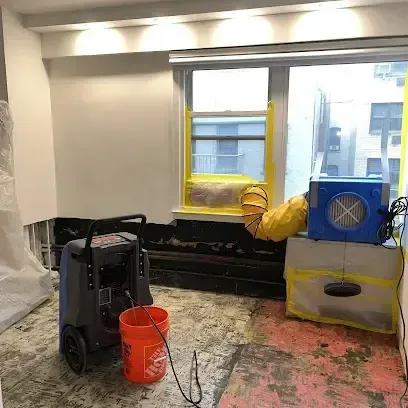
Water damage restoration in Edina starts at any hour with truck-mounted extraction, then thermal mapping and monitored drying. The crew works creekside basements, Morningside homes and multi-unit buildings until readings reach the dry standard.
(888) 432-4933Creekside basement or condo, any hourZIP codes 55424, 55435, 55436 and 55439, plus Morningside and the Country Club District.
Water Damage Restoration Services in Edina, MN
Basement seepage and leaks between condo units come first here, followed by sewer backups, frozen pipes and storm water from the creeks.
Basement Flooding Cleanup
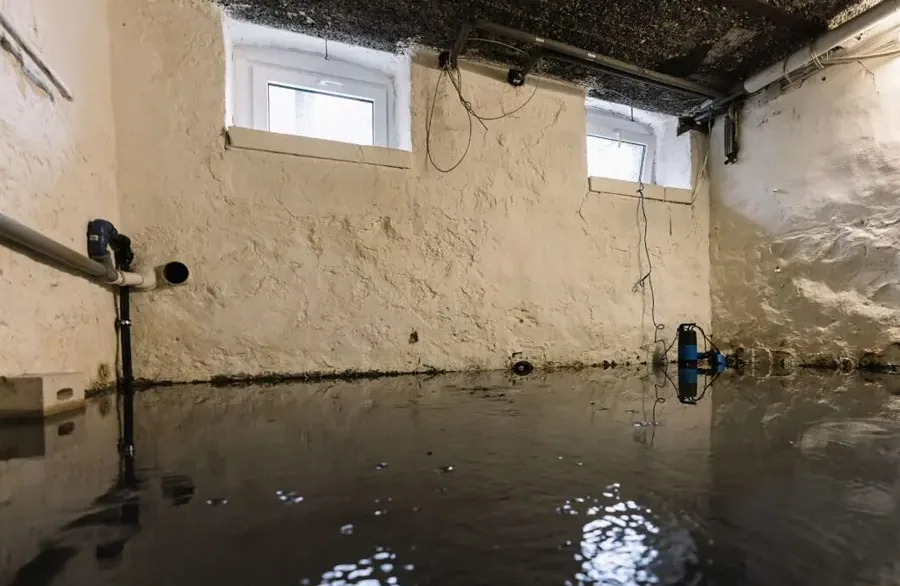
Groundwater seepage is one way basements flood, so the crew traces the entry point, extracts and dries slab and walls.
How basement flooding cleanup works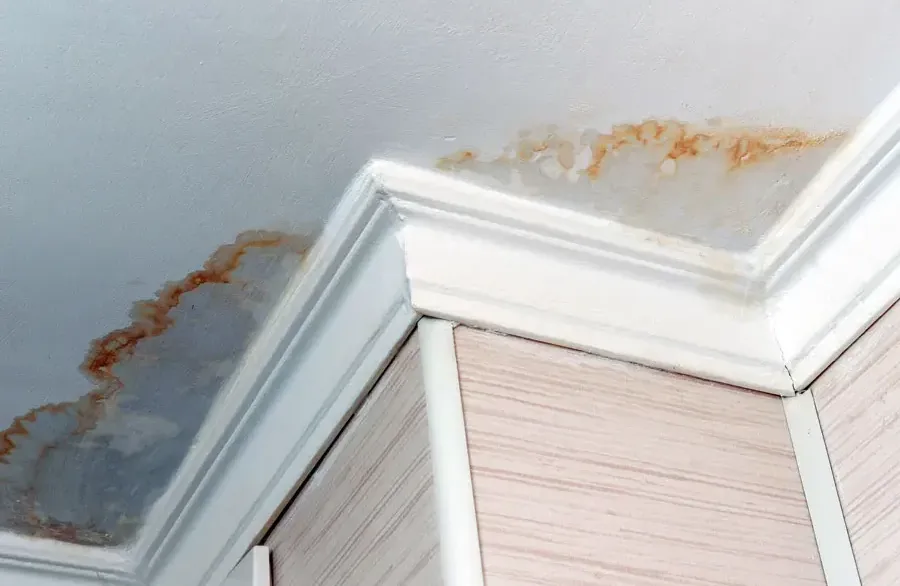
Apartment and Condo Water Damage
Around 40.6 percent of units are in multi-unit buildings, so a leak upstairs often needs drying plans below.
How apartment and condo water damage works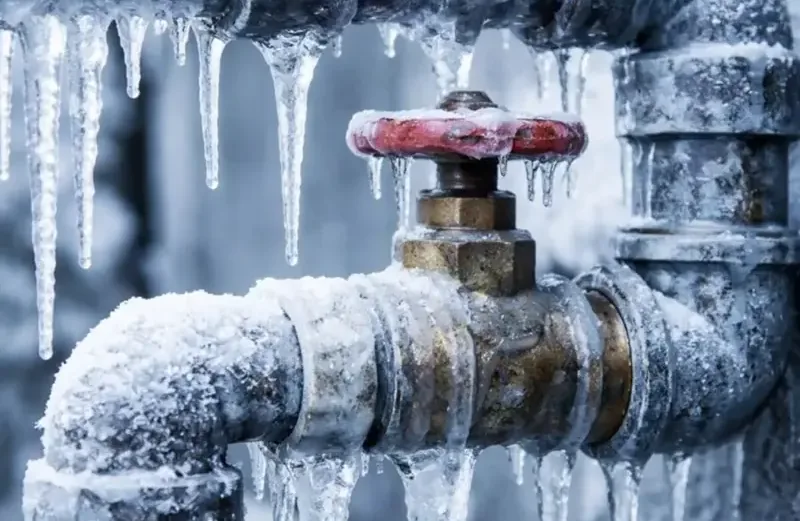
Frozen Pipe Cleanup
Twin Cities winters freeze pipes, and the thaw is when the split shows up as water.
How frozen pipe cleanup works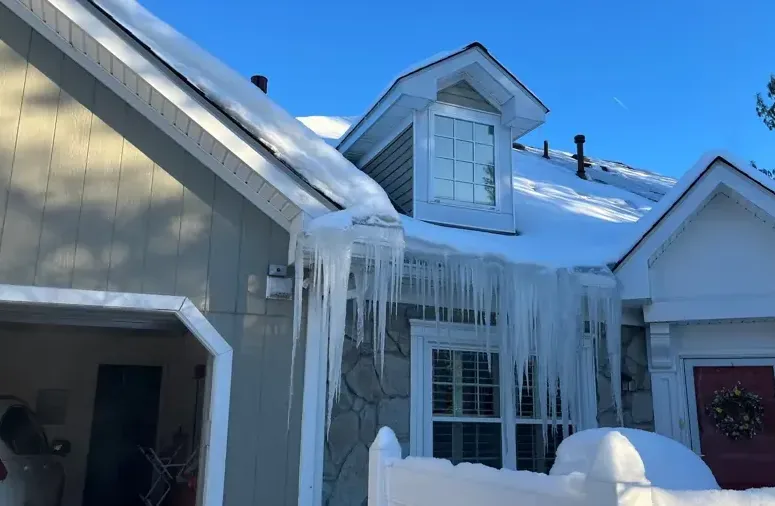
Ice Dam Water Damage
Melt pushed back under roof edges in winter wets ceilings and walls, so the crew dries both cavities.
How ice dam water damage works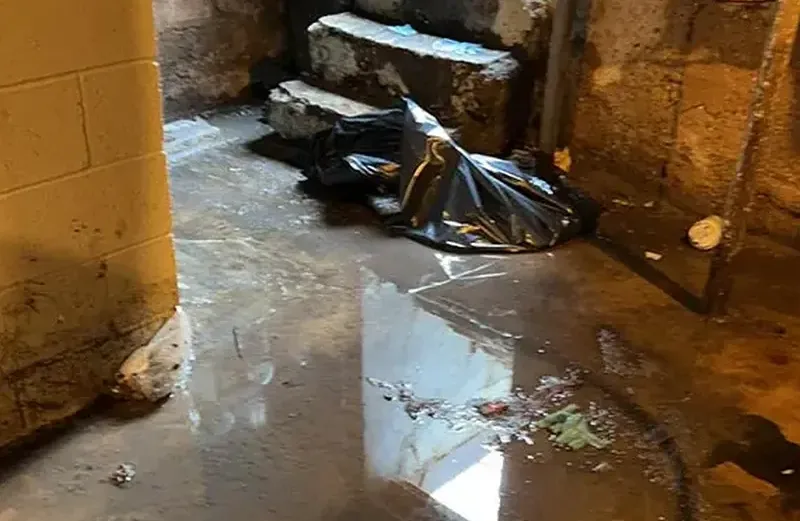
Sewer Backup Cleanup
Roots, grease and flushed items clog sewers, so a backup is contained, stripped of porous materials and disinfected.
How sewer backup cleanup works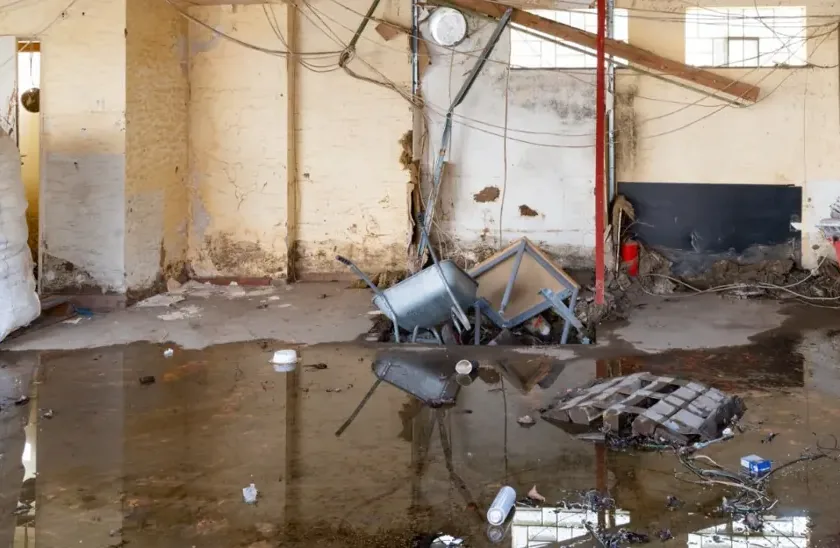
Sump Pump Failure Cleanup
A failed sump pump in a wet season lets water climb the pit and spread across the slab.
How sump pump failure cleanup works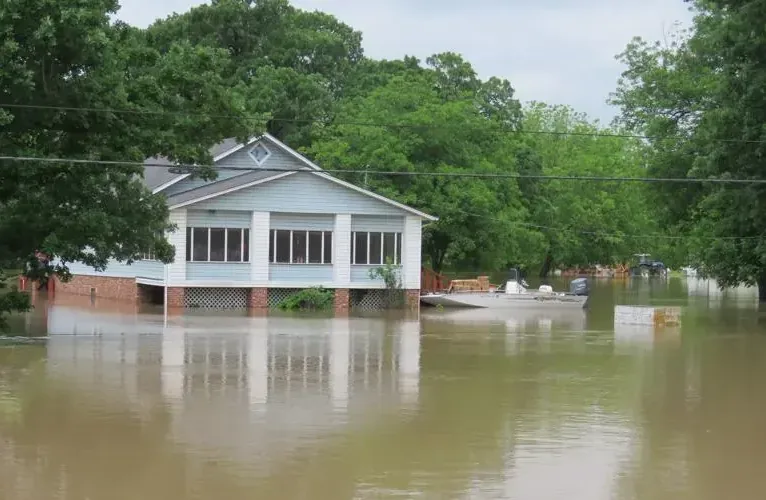
Storm Water and Creek Flood Cleanup
Creek flooding and heavy runoff reach homes over the land surface, so mud and wet porous materials come out.
How storm water and creek flood cleanup works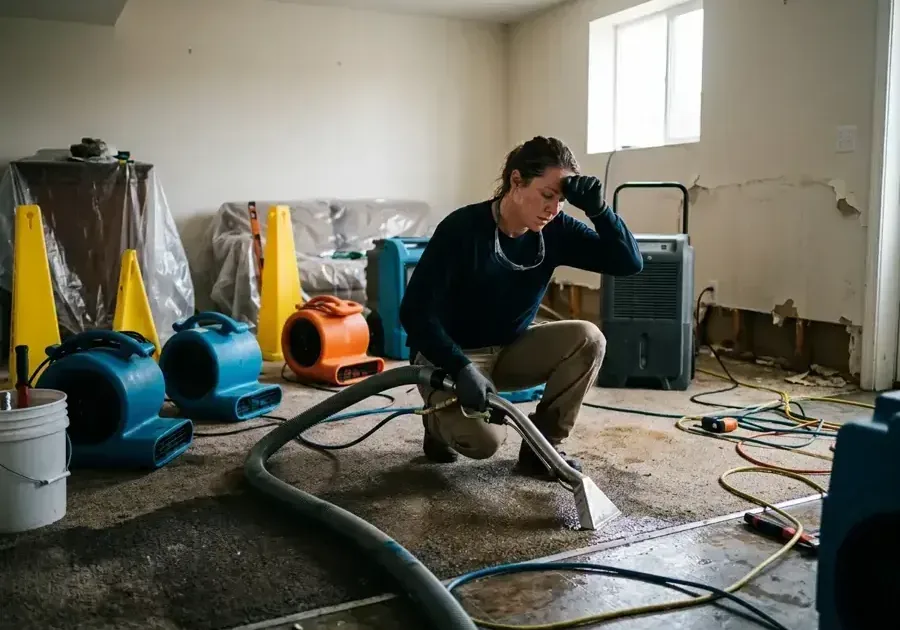
Water Extraction and Removal
Extraction starts by finding the entry path, then pulling standing water out of carpet and pad with weighted tools.
How water extraction and removal works
Burst Pipe Water Damage
A split pipe in a cold wall can wet several rooms unnoticed, so the shutoff comes first.
How burst pipe water damage works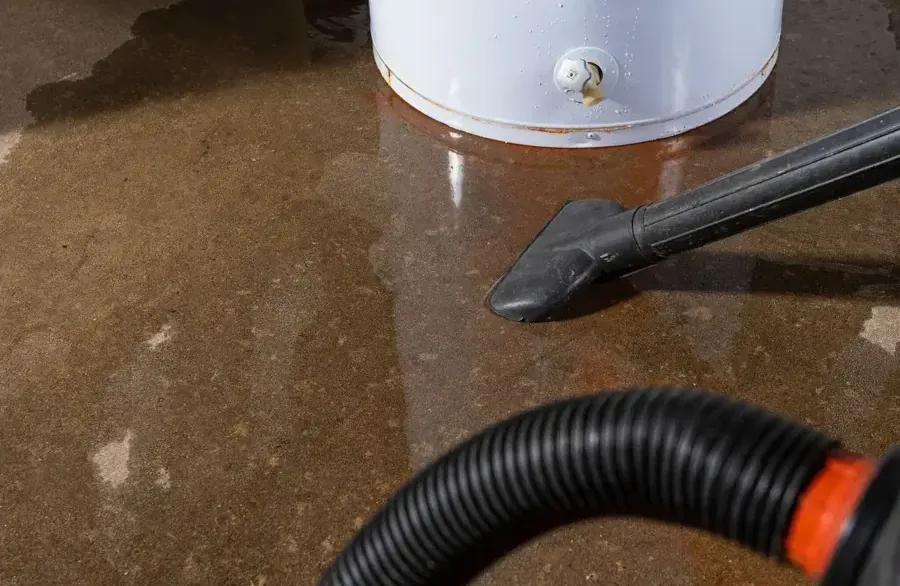
Water Heater Leak Cleanup
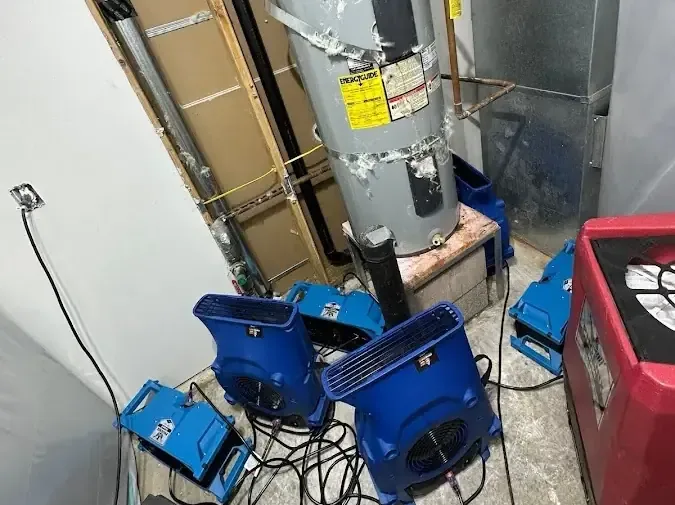
A leaking tank wets the utility room, then the next room, and a swap takes a plumbing permit.
How water heater leak cleanup works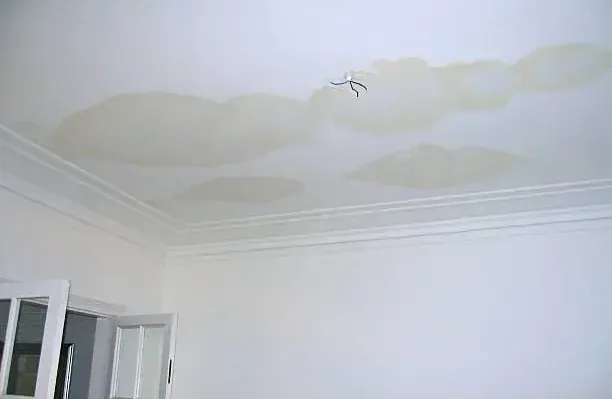
Ceiling Leak Water Damage
A stained ceiling means water started above, so the crew opens the joist bay and dries the floor below too.
How ceiling leak water damage works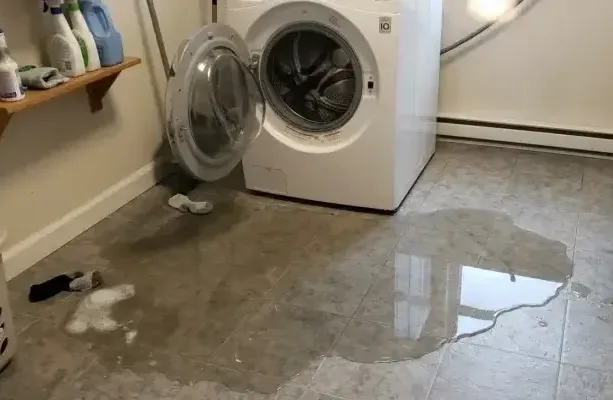
Appliance Leak Water Damage
Washer, dishwasher and refrigerator leaks hit owner homes and rentals alike, soaking toe kicks and subfloors.
How appliance leak water damage works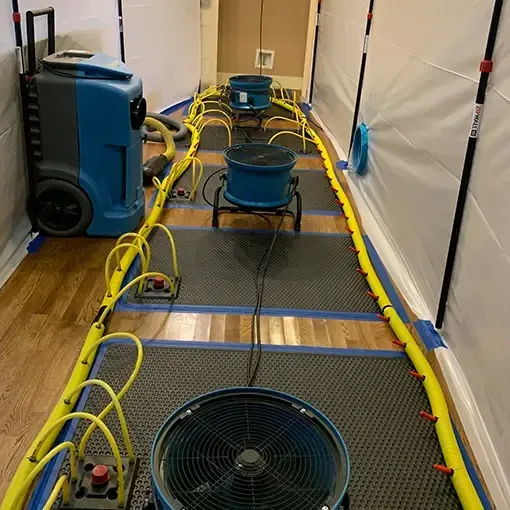
Structural Drying and Dehumidification
Groundwater seeping through walls and slabs calls for dehumidifiers, air movers and logged readings until framing reads dry.
How structural drying and dehumidification works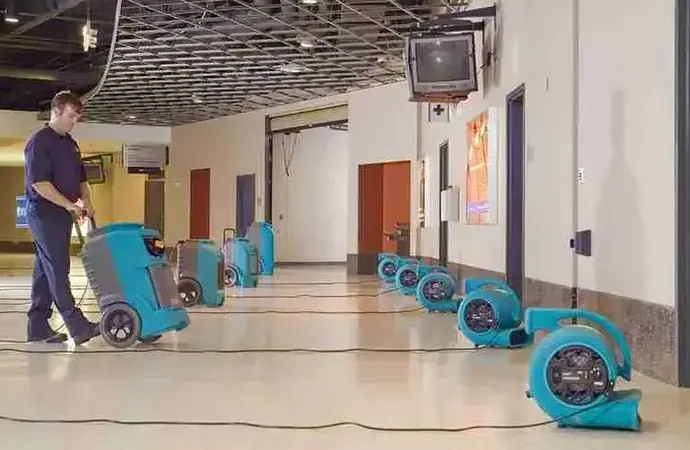
Commercial Water Damage
Retail centers, the hospital campus and school buildings need phased drying that keeps occupied space running.
How commercial water damage worksWhat to do first when water gets in
Most of the damage is decided in the opening stretch, so these steps limit the spread while a crew is arranged.
(888) 432-4933Talk to an extraction crew now- 1
Make the area safe
Shut off power to wet circuits and stay out of standing water until the electrical risk is cleared.
- 2
Stop the source
Close the main shutoff or the fixture valve, and keep the sump pit and floor drain clear if water is rising.
- 3
Report a sewer backup
The city asks residents to contact it first when a sewer backs up, before cleanup of sewage begins.
- 4
Take photos first
Photograph the water, the damaged finishes and the contents before anything moves, since claim files lean on those first images.
- 5
Call for extraction
Early extraction limits how far water wicks into drywall and subfloor, so call as soon as the source is controlled.
A finished dry-out ends on readings, not guesses
A dry-out finishes when daily readings in drywall, framing and subfloor match unaffected reference materials, not when the surface feels dry to the touch. Equipment stays running until that happens.
- 1
Map the moisture
Thermal imaging and a moisture meter trace where water travelled through floors and walls, including cavities that look dry from the surface.
- 2
Pull the water
Truck-mounted units and portable pumps remove standing water first, then weighted tools draw moisture from carpet, pad and hard floors.
- 3
Dry under control
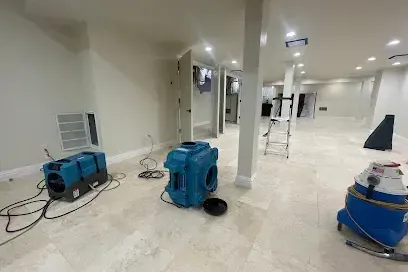
Air movers and refrigerant dehumidifiers run in a managed zone, set by the drying class rather than a fixed number of days.
- 4
Read until dry
Readings are logged every visit, equipment is adjusted as the numbers fall, and nothing is pulled until the goal is reached.
All water damage categories covered in Edina, MN
Category 1 clean water
Supply pipe and fitting failures release clean water that turns gray if it sits.
Burst pipe water damageCategory 2 gray water
Dishwasher and washer discharge carries contamination that worsens the longer it sits.
Appliance leak water damageCategory 3 black water
Sewer backups and creek flood water carry pathogens, so porous materials go and the area is contained.
Sewer backup cleanupWhat does water damage restoration cost in Edina, MN?
Most losses fall into bands tied to how far the water spread: a contained clean-water leak typically runs $1,300 to $4,000, a finished-basement loss $4,000 to $12,000, and sewage or long exposure $12,000 to $25,000.
These ranges are typical, not a quote. Try the cost calculator and the drying time estimator for a closer picture of your loss.
Contained clean-water leak
$1,300 to $4,000- Water pulled from floors
- Dried in place
- Readings logged daily
Finished basement or several rooms affected
$4,000 to $12,000- Carpet and pad lifted
- Lower drywall opened
- Wall cavities dried out
Sewage or long exposure
$12,000 to $25,000- Category 3 containment
- Porous materials removed
- HEPA air scrubbing
How water moves through the local housing mix
The median build year here is 1971, with 59.1 percent of units single-family and 40.6 percent in multi-unit buildings. Water moves down and sideways through floors, walls and ceilings, so one leak rarely stays in one room.
Round-the-clock response
Water does not wait for business hours, so extraction crews work nights, weekends and holidays, from first report to the last reading.
IICRC S500 drying
Drying follows the S500 standard: classes and categories are set up front, psychrometric readings are logged, and equipment stays until the numbers say dry.
Records that support the claim
Photos, moisture logs and equipment records are kept together so an adjuster can see what was wet.
Knowledge of local water
Minnehaha Creek, Nine Mile Creek and groundwater seepage shape where the crew looks first in a basement.
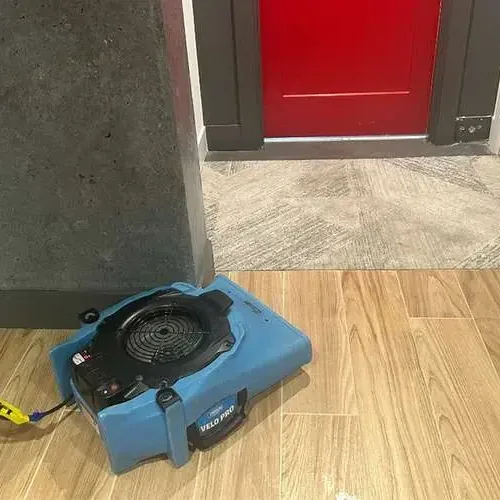
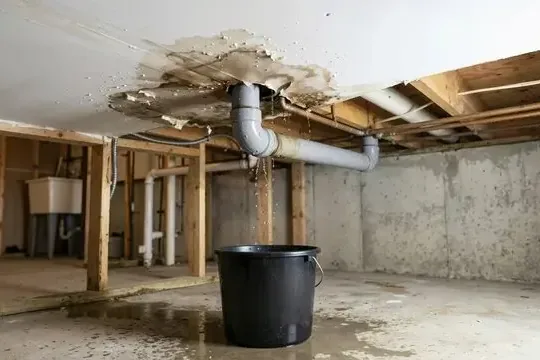
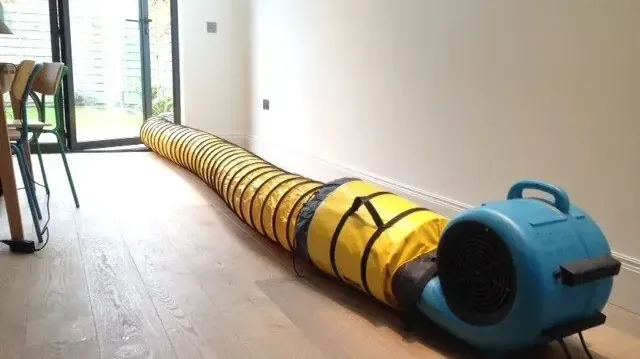
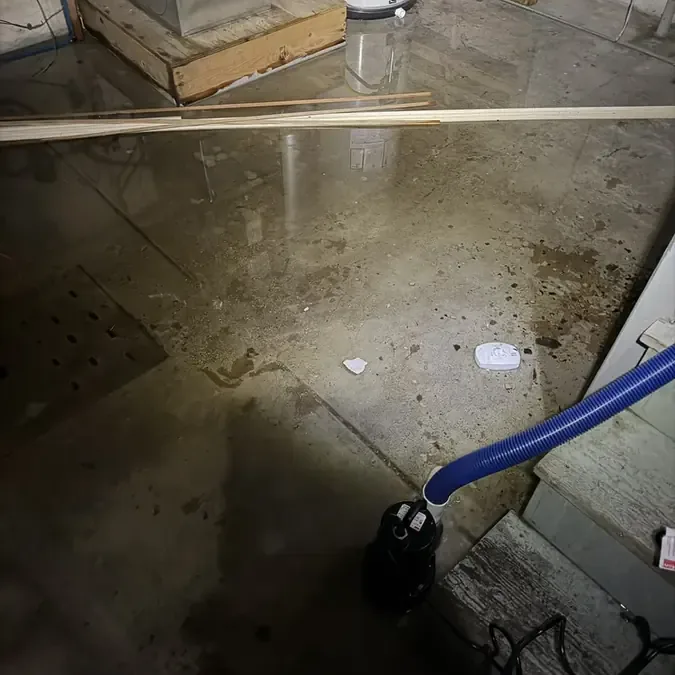
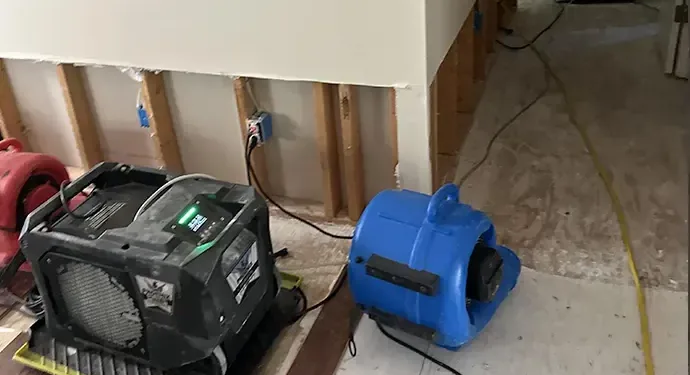
What equipment on a drying job looks like
Insurance and Claim Documentation
Claims move faster when the file shows the source, the sequence of events and the readings, so each job produces records an adjuster can follow.
- Dated photos of the source and every wet surface
- Moisture readings from the first visit through the final one
- Equipment placed and the dates it ran
- A list of damaged contents with rough quantities
- Notes on the cause and when it was found
Neighborhoods, corridors and ZIP codes in the service area
Areas and corridors
ZIP codes
Nearby cities
Water damage in Edina, MN: the local risk profile
Minnehaha Creek and Nine Mile Creek both cross a city that is more than 95 percent developed. The city traces structural flooding to runoff over the land surface, groundwater seeping into basements and sanitary sewer backflow. Because so little ground is open, rain has fewer places to soak in.

- June 2014
The Twin Cities logged its wettest start to a year on record, and Minnehaha Creek, which runs through Edina, hit a record flow.
- 2015 to 2019
Minnesota's wettest years on record, with 2019 setting a precipitation record and groundwater rising by early 2020, per the city's flood strategy.
- July 1987
A superstorm dropped heavy rain on suburbs around Minneapolis, and the Nine Mile Creek Watershed District still describes the Flood of 1987 as historic.
- 2010 to 2020
A groundwater monitoring well near Bredesen Park has risen about 15 feet, according to watershed district data cited in the city's 2020 strategy.
Groundwater seepage
Where the water table is shallow, basements face more risk of seepage through walls and floors after long wet spells.
Sewer backflow
Roots, grease and flushed items block sewers, and owners maintain the service pipe up to the public connection.
Surface runoff
Impervious surface added in the Morningside focus area after 1950 equals about 14 percent of occupied parcel size, so runoff reaches basements faster.
Winter freezing
Twin Cities winters bring freezing conditions that can burst pipes and push melt under roof edges.
Edina water damage questions, answered
Who should be contacted first when a sewer backs up?
Contact the city first, as it asks of residents, since the public main may be involved. Owners maintain the sanitary sewer service from the property up to and including the public connection, so cleanup is usually arranged alongside that report, and a plumber confirms where the blockage sits.
Does the city pay for a sewer backup?
The city says it is not usually responsible when a sewer backs up and is generally liable only if it was negligent in maintaining the sewer. Some homeowner policies cover backups and some do not, so read the policy.
Can groundwater really come through a basement floor?
Yes. The city lists groundwater seepage as one way structures flood, and a monitoring well near Bredesen Park has risen about 15 feet from its 2010 level, so slabs and wall joints can seep after wet spells.
How is the Morningside area different?
Morningside was a separate village from 1920 until it rejoined the city in 1966. It has its own water system, supplied from Minneapolis, and it was the focus area of the city's flood study.
What does a condo or apartment leak involve?
Many units sit in buildings with neighbors above or below, so a leak often means opening the ceiling beneath, drying both homes under separate plans and keeping separate records for each household's claim.
Do repairs need a permit after the cleanup?
A plumbing permit is required to repair or alter a plumbing system, including replacing a water heater, and a sewer or water permit covers work on the service connection. Roofing, siding and window work needs a building permit.
How soon does wet drywall need attention?
Wet drywall and insulation hold moisture, so the earlier extraction and drying begin, the more can be saved. Materials that stay wet for several days are the ones that usually get cut out.
Does heavy rain flooding count as water damage coverage?
Often not. Surface runoff and creek overflow are usually flood perils rather than sudden discharge, and the city takes part in the National Flood Insurance Program, so check which policy applies before filing.
Which creeks affect homes here?
Minnehaha Creek and Nine Mile Creek run through the city, and the Nine Mile Creek system drains land in Richfield and Bloomington too, so wet seasons raise creek levels across more than one community.
Is a commercial building handled differently?
Larger buildings such as retail centers, the hospital campus and school sites need phased work, containment and after-hours scheduling so occupied space stays open, along with records written for several parties.
Wet basement or leaking ceiling? Get the dry-out started in Edina
Extraction, drying and claim documentation all come from one crew, so the work starts with a single call at any hour, day or night.
(888) 432-4933Call for water removal- Active water treated as urgent, 24/7
- Drying goal set by IICRC S500
- Moisture logs kept for the adjuster
- Find us on Google