Storm Water and Creek Flood Cleanup in Hopkins, MN
A stalled summer thunderstorm can overwhelm storm sewers, low spots and the creeks in a few hours. The restoration team treats floodwater as Category 3, removes what it ruined and dries the structure that remains.
(888) 432-4933Start flood cleanup now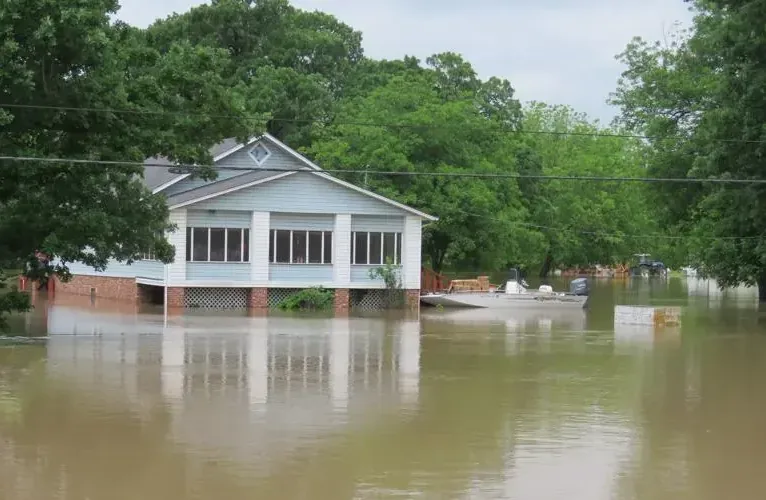
Floodwater from outside is Category 3 no matter how clear it looks. It carries soil, lawn chemicals, road runoff and often sewage, so every porous material it soaks is removed rather than dried.
What to do first for storm water and creek flood cleanup
- 1
Stay out of moving water
Do not wade through floodwater; it can hide hazards and carry contaminants.
- 2
Cut power from a dry panel
If the panel is wet or in the water, call the utility instead.
- 3
Photograph the water line
Document the height on walls and every damaged item.
- 4
Protective gear for any contact
Gloves, boots and eye protection before touching anything wet.
What does storm water and creek flood cleanup cost in Hopkins, MN?
In Hopkins, storm water and creek flood cleanup typically runs $4,000 to $30,000, depending on the depth of the water, how much finished space it reached, how much mud came in and how long it sat.
Shallow water, one area
$4,000 to $9,000- Extraction
- Porous removal
- Antimicrobial
Finished basement flooded
$9,000 to $18,000- Flood cuts
- Mud removal
- Contents sorting
Deep water, whole level
$18,000 to $30,000- Full gut of wet materials
- Extended drying
- Multiple zones
These are typical figures, not a quote. Water category, wet square footage, material class and how quickly drying began move the total the most. The water damage cost calculator gives a closer range for your rooms.
How storm water and creek flood cleanup is done, start to finish
Moisture gets mapped before a single fan is placed, so the plan follows what is actually wet. The drying team leaves the equipment running until meter readings reach the goal, whatever the surface looks like.
- 1
Safety check
Power, gas and structural hazards are checked before work begins.
- 2
Water and mud out
Floodwater is extracted and mud is shoveled and washed out.
- 3
Flood cuts and disinfection
Porous materials are removed and surfaces treated with antimicrobial.
- 4
Dry and document
Equipment runs to the goal with daily readings for the file.
How flooding reaches homes in Hopkins
Minnehaha Creek runs across the north end of the city and down the east side, and the north fork of Nine Mile Creek starts at the south edge of Excelsior Boulevard. Both are mapped flooding sources in the city's Flood Insurance Study. Several low, land-locked areas have no natural surface outlet, and the July 1987 superstorm put more than 10 inches of rain on suburbs west and southwest of Minneapolis.
- Runoff from slow thunderstorms entering window wells and walkout doors.
- Storm sewers and low spots that cannot drain fast enough.
- High creek water near homes along Minnehaha and Nine Mile Creek.
Cleanup that matches the contamination
The crew works in protective gear, removes standing water and mud, and cuts out carpet, pad, drywall and insulation the flood touched. Hard surfaces and framing are cleaned, treated with an EPA-registered antimicrobial and dried until readings reach the goal.
- Drywall cut above the flood line, typically a foot or more past the highest wet reading.
- Mud shoveled and washed out before drying equipment goes in.
- Contents sorted and photographed before disposal.
Flood insurance and safety
Standard homeowner policies usually exclude surface flooding; it needs a separate flood policy. The National Weather Service flood safety pages cover what to do during a flood, and the EPA flooded homes page covers cleanup health concerns. Water from a backed-up floor drain is covered on the sewer backup cleanup page.
Storm water and creek flood cleanup around Hopkins and west Hennepin County
The restoration crew works both ZIPs, 55343 and 55305, from Mainstreet and the Avenues out to Interlachen Park, Hobby Acres, Park Valley and the Blake Road side of Minnehaha Creek.
Nearby coverage reaches Minnetonka, Edina, St. Louis Park, Plymouth, Orono.
Other water problems handled here
Storm Water and Creek Flood Cleanup questions in Hopkins, MN
Is clear floodwater still Category 3?
Yes. Water that came from outside carries soil, chemicals and often sewage, whatever it looks like. The IICRC S500 standard treats it as Category 3.
Does homeowners insurance cover flooding?
Usually not. Surface flooding needs a separate flood policy, while some storm damage, such as wind-driven roof openings, may be covered. Check with your own insurer.
How high do the walls get cut?
Typically a foot or more above the highest wet reading, so all contaminated drywall and insulation comes out.
Can furniture be saved?
Solid wood and metal items can often be cleaned and disinfected. Upholstered furniture, mattresses and particleboard soaked by floodwater are usually discarded.
How long until the space is dry?
Most flooded areas dry in four to eight days after porous materials are removed, longer for masonry and slabs.
Is my home in a flood zone?
FEMA flood maps show mapped flood zones, and the city's Flood Insurance Study names Minnehaha Creek and Nine Mile Creek as the local flooding sources.
Flooding after the storm? Call for cleanup now.
Floodwater keeps soaking into walls and floors until it is removed. The restoration team gets it out and starts the cleanup.
(888) 432-4933Start the flood cleanup- Active water treated as urgent, 24/7
- Drying goal set by IICRC S500
- Moisture logs kept for the adjuster
- Find us on Google