Basement Flooding Cleanup in Hopkins, MN
Spring thaw, a stalled thunderstorm or a floor drain that gives up can put inches of water across a finished basement in an hour. The extraction crew pulls it off the slab and the drying team saves what the readings say can be saved.
(888) 432-4933Get the basement water out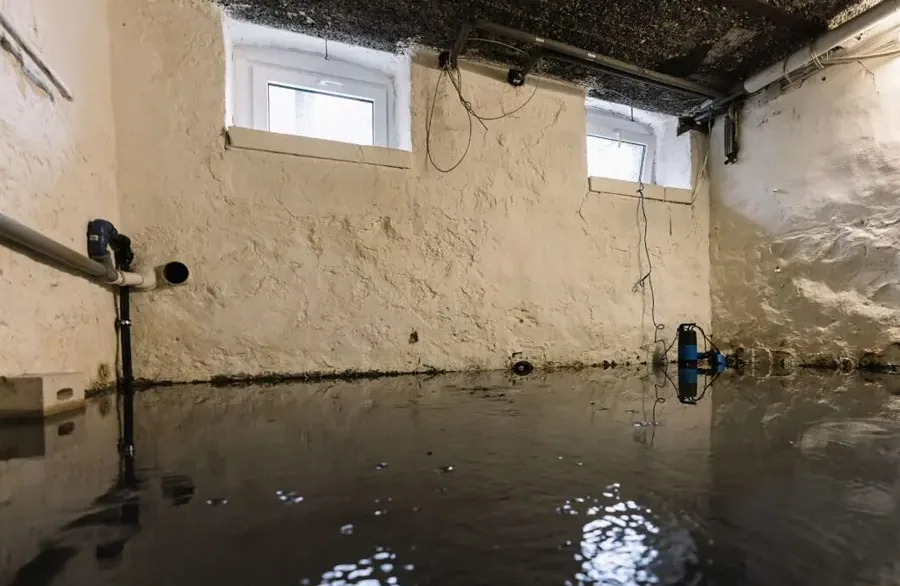
A flooded basement is rarely one problem. Water comes in at the floor-wall joint or a window well, spreads under carpet pad on the concrete and climbs the drywall of finished walls, so the cleanup starts with knowing where the water came from and how far it traveled.
What to do first for basement flooding cleanup
- 1
Shut power to the basement
From a dry panel only; never walk through water near outlets or the furnace.
- 2
Find the source
Seepage at the walls, water at the floor drain or a silent sump pump.
- 3
Stop using the drains
If water rose from the floor drain, stop flushing and running the washer.
- 4
Photograph and lift
Shoot every wet room, then raise boxes, rugs and electronics off the slab.
What does basement flooding cleanup cost in Hopkins, MN?
In Hopkins, basement flooding cleanup typically runs $2,000 to $15,000, depending on how much floor was wet, whether the basement is finished, the water category and how quickly extraction started.
Unfinished, shallow water
$2,000 to $4,500- Extraction
- Slab drying
- Daily readings
Finished basement
$4,500 to $9,000- Carpet and pad pulled
- Lower drywall cut
- Wall cavity drying
Whole level or gray water
$9,000 to $15,000- Antimicrobial treatment
- Extended equipment
- Contents moved and logged
These are typical figures, not a quote. Water category, wet square footage, material class and how quickly drying began move the total the most. The water damage cost calculator gives a closer range for your rooms.
How basement flooding cleanup is done, start to finish
Moisture gets mapped before a single fan is placed, so the plan follows what is actually wet. The drying team leaves the equipment running until meter readings reach the goal, whatever the surface looks like.
- 1
Source and category
The tech confirms where the water entered and sets the category before anything is removed.
- 2
Extraction
Standing water is pulled from carpet, pad and the slab with truck-mounted suction.
- 3
Selective removal
Wet pad and drywall above the wet line come out; framing is kept and dried.
- 4
Drying and logs
Dehumidifiers and air movers run until slab and walls reach the drying goal.
Where basement water comes from in Hopkins
Much of the single-family housing here is mid-century, ramblers and split-levels with full basements, floor drains and a sump in many homes. In late winter, snowmelt runs over frozen ground that cannot absorb it, and in summer a slow thunderstorm can drop inches of rain in an hour.
- Seepage at the floor-wall joint, through foundation cracks and around window wells.
- Floor drains pushing water up when the sewer pipe is overloaded; see sewer backup cleanup.
- A sump that cannot keep up or stops running; see sump pump failure cleanup.
Category decides what stays and what goes
Clean seepage caught early is usually Category 1 or 2, and carpet, framing and drywall can often dry in place. Water that rose from a floor drain or came in from outside after a storm is treated as Category 3, so carpet, pad and drywall it touched are cut out and the slab is cleaned with an EPA-registered antimicrobial.
- Carpet pad over concrete is almost always pulled; it holds water against the slab.
- Drywall is cut above the wet line, typically a few inches past the highest reading.
- Bottom plates and studs stay and are dried with directed air.
Drying a basement in a cold climate
Basements dry slower than upper floors because the slab and foundation stay cool and the air holds moisture. The drying team closes the space, runs LGR dehumidifiers sized to the class of loss and places air movers along the wet walls, then logs readings daily until the slab and framing reach the goal. Ready.gov flood guidance covers safety before re-entering a flooded space, and the EPA flooded homes page explains indoor air concerns after a flood.
Mold can begin within 24 to 48 hours on wet drywall and carpet, which is why extraction comes first and fast.
Basement flooding cleanup around Hopkins and west Hennepin County
The restoration crew works both ZIPs, 55343 and 55305, from Mainstreet and the Avenues out to Interlachen Park, Hobby Acres, Park Valley and the Blake Road side of Minnehaha Creek.
Nearby coverage reaches Minnetonka, Edina, St. Louis Park, Plymouth, Orono.
Other water problems handled here
Basement Flooding Cleanup questions in Hopkins, MN
Why does my basement flood in spring?
Snowmelt on frozen soil cannot soak in, so it runs toward the foundation and finds cracks, window wells and the floor-wall joint. A sump pump that is undersized or failing falls behind during the thaw.
Can basement carpet be saved?
Carpet soaked by clean water and extracted quickly can sometimes be dried, but the pad underneath almost always comes out. Carpet touched by floor-drain or floodwater is removed.
How long does a basement take to dry?
Most finished basements dry in three to six days once extraction is done. A cold slab, thick carpet or plaster walls stretch that window, and equipment stays until readings reach the goal.
Does homeowners insurance cover a flooded basement?
It depends on the cause. A burst pipe is often covered, sewer backup usually needs an endorsement and surface water usually needs flood coverage. Check with your own insurer.
Will the restoration team fix the cause?
The restoration team extracts, removes damaged materials and dries. Grading, foundation sealing and drain tile are work for a waterproofing contractor.
Is it safe to use a shop vac?
For a small amount of clean water, yes, with power off in the wet area. For more than an inch, or any sewage, extraction equipment and protective gear are the safer route.
Basement flooded? Call before it reaches the walls.
Water on a slab spreads under walls and into pad within hours. The extraction crew pulls it out first, then the drying begins.
(888) 432-4933Start the basement dry-out- Active water treated as urgent, 24/7
- Drying goal set by IICRC S500
- Moisture logs kept for the adjuster
- Find us on Google