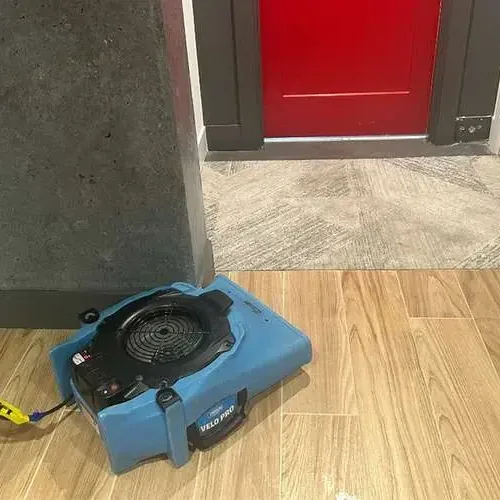
Water Damage Restoration Shorewood, MN
Water damage restoration in Shorewood runs at any hour, from a lakeside basement flood to a pipe split in a hard winter freeze. The restoration team pulls the water out, finds what is still wet and dries it until the readings come back normal.
(888) 432-4933Reach the lakeshore drying team nowZIP codes 55331 and 55364, plus Spray Island and Shady Island on the lake.
Water Damage Restoration Services in Shorewood, MN
Lakeside basements and winter plumbing set the pace here, but the crew covers every residential and commercial water loss, from a stained ceiling to a sewer backup.
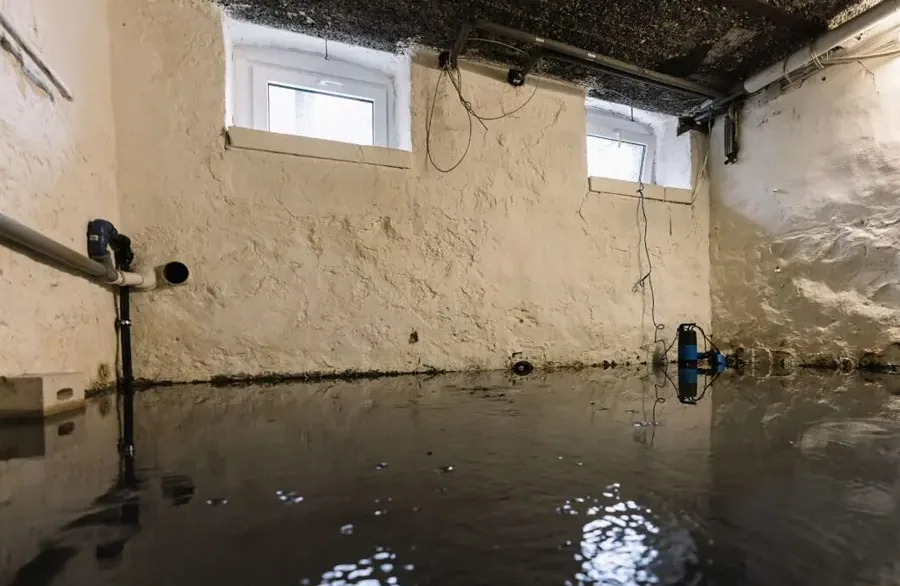
Basement Flooding Cleanup
Water across a basement floor is pumped out first, then pad, lower drywall and slab are dried until readings settle.
How basement flooding cleanup works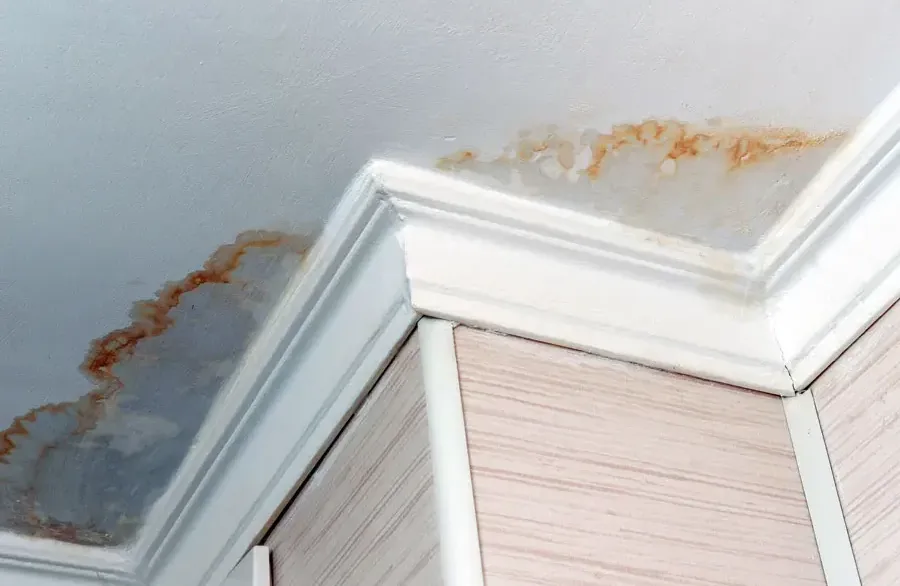
Apartment and Condo Water Damage
A leak in one unit can reach the unit below, so each gets its own drying plan and moisture record.
How apartment and condo water damage works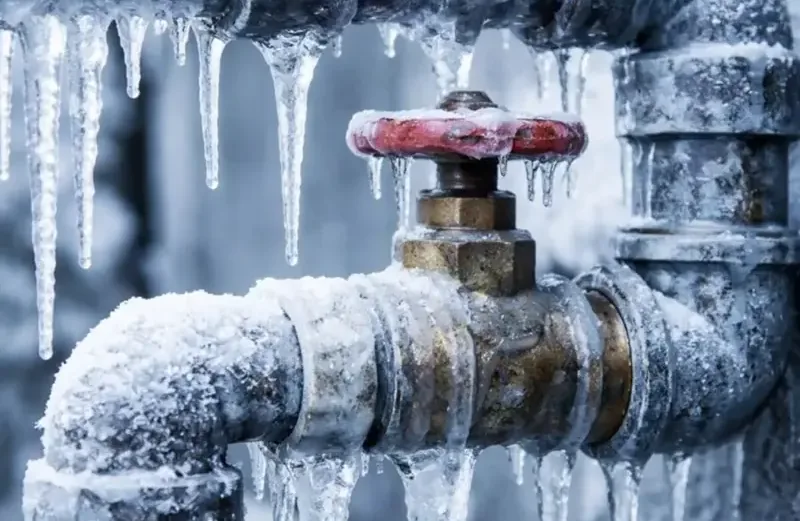
Frozen Pipe Cleanup
A freeze split can run behind a wall for hours, so the crew traces the wet cavity and dries it.
How frozen pipe cleanup works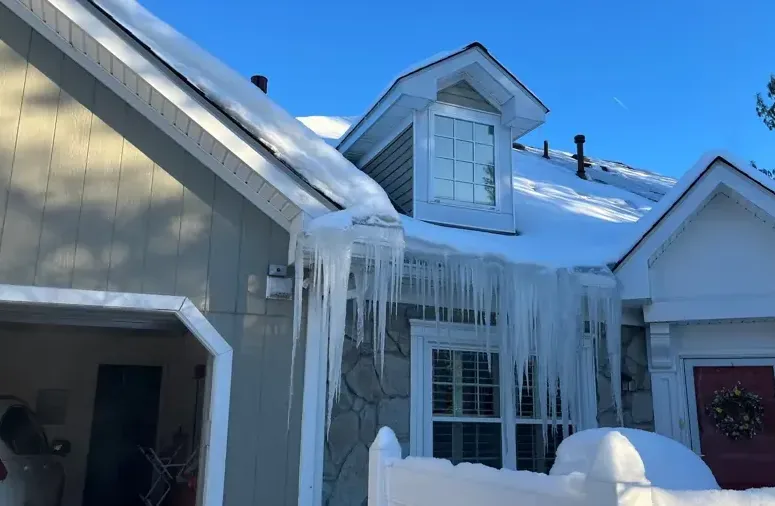
Ice Dam Water Damage
Meltwater under shingles soaks insulation and ceilings, and the drying team opens only what readings show is wet.
How ice dam water damage works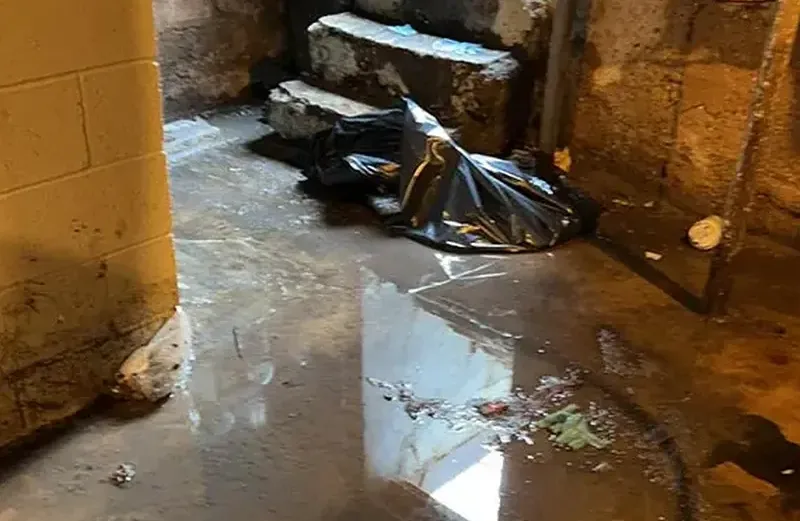
Sewer Backup Cleanup
A sewer backup is a Category 3 job: containment, porous materials removed and a disinfected dry-out.
How sewer backup cleanup works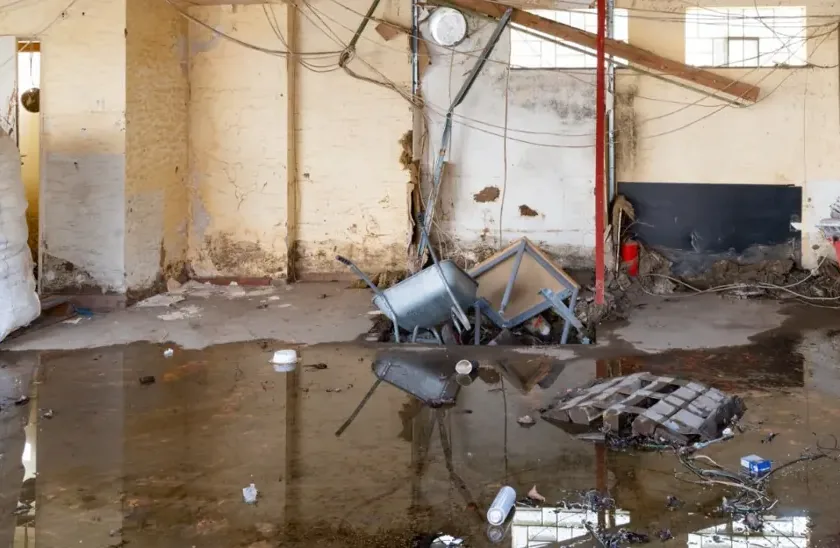
Sump Pump Failure Cleanup
When a sump pump stops, groundwater climbs the pit and crosses the slab, and extraction protects finished rooms.
How sump pump failure cleanup works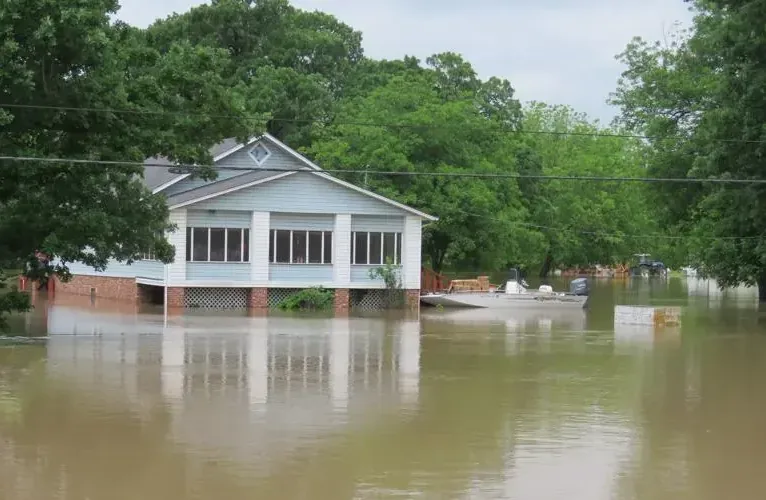
Storm Water and Creek Flood Cleanup
Heavy rain and high lake levels push water toward lakeside foundations, and the crew removes it and the mud.
How storm water and creek flood cleanup works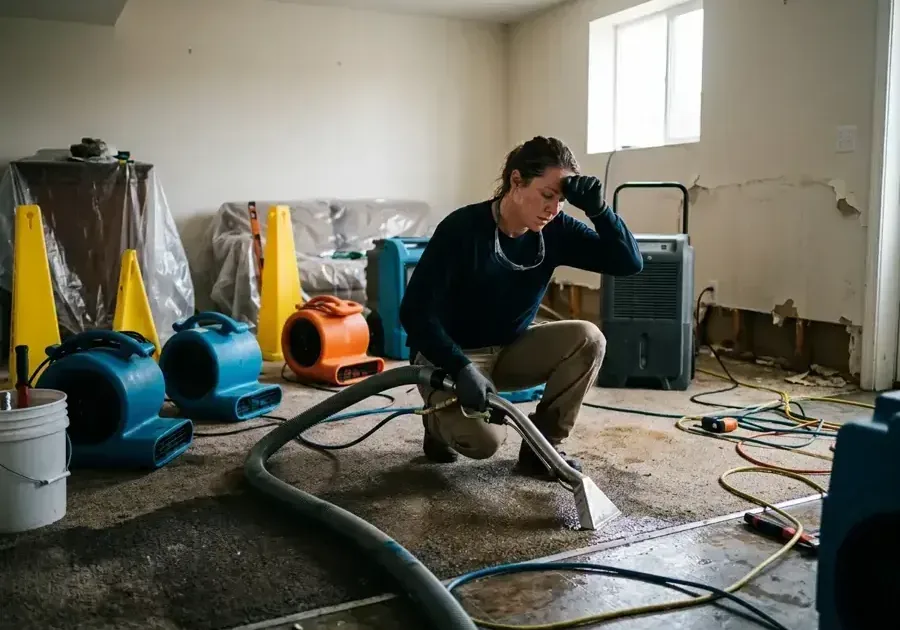
Water Extraction and Removal
Truck-mounted units and submersible pumps lift standing water from carpet, floors and lower levels before drying begins.
How water extraction and removal works
Burst Pipe Water Damage
Once a burst pipe is shut off, wet rooms are extracted and walls opened only where readings call for it.
How burst pipe water damage works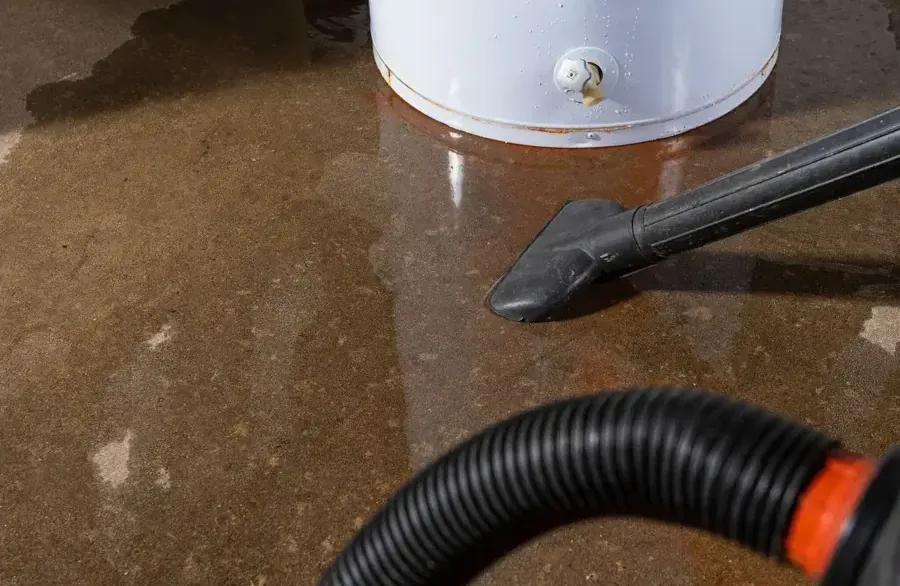
Water Heater Leak Cleanup
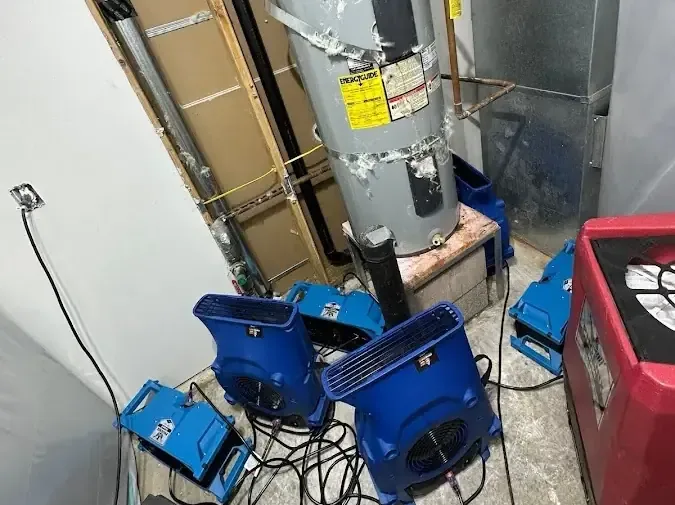
A leaking tank soaks the utility room first, then the next, so the crew dries floors and bottom plates.
How water heater leak cleanup works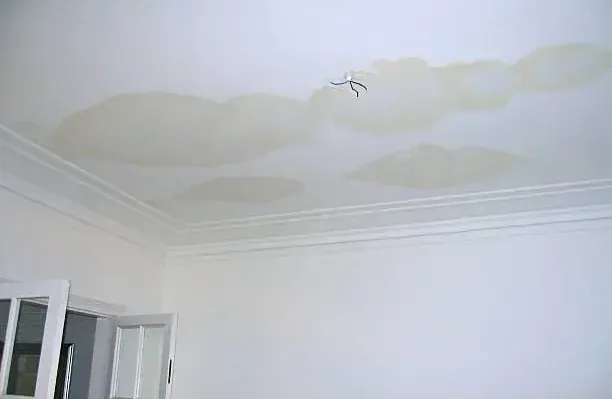
Ceiling Leak Water Damage
A stained ceiling usually means a wet joist bay above, so the team traces the source and dries the cavity.
How ceiling leak water damage works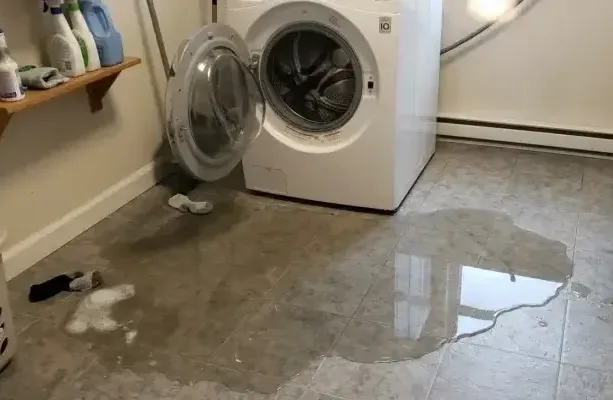
Appliance Leak Water Damage
A washer, dishwasher or fridge hose failure can hide under cabinets and flooring until the base is dried.
How appliance leak water damage works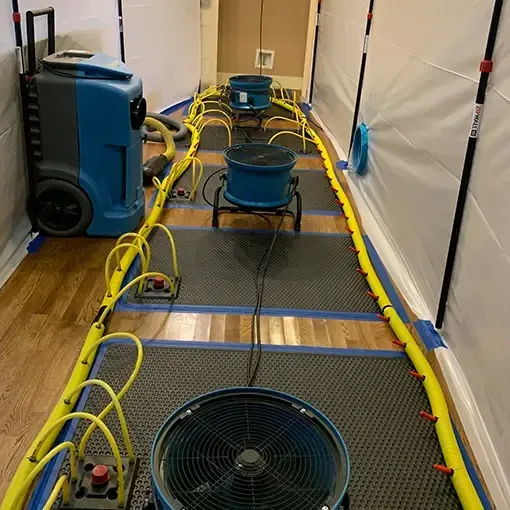
Structural Drying and Dehumidification
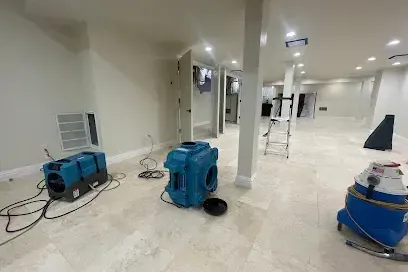
Dehumidifiers, air movers and daily psychrometric readings carry wet framing, subfloors and walls down to a dry standard.
How structural drying and dehumidification works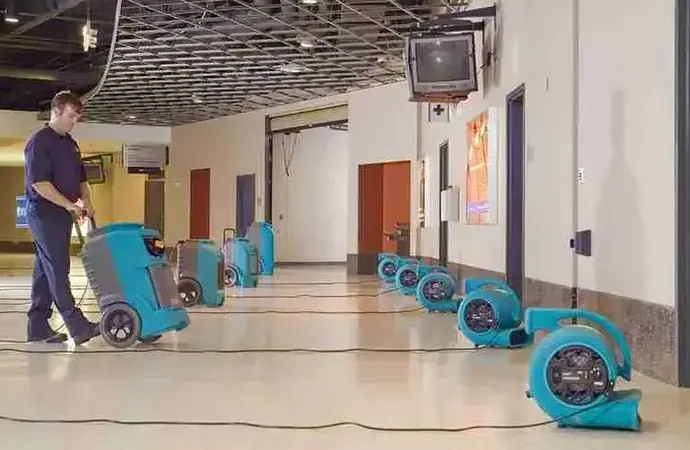
Commercial Water Damage
Shops, offices and public buildings get phased drying plans that keep dry areas open during the work.
How commercial water damage worksWhat to do first when water is on the floor
The first few steps keep a small leak small. Stop the water if it is safe, protect yourself from power and slips, and document everything before anything moves.
(888) 432-4933Start the dry-out with one call- 1
Stop the source
Close the nearest shutoff valve for the pipe, appliance or water heater, or the main valve if the source is unclear.
- 2
Cut power safely
Turn off breakers for wet rooms from a dry spot, and stay out if water reaches outlets or the panel.
- 3
Lift what you can
Move small furniture, rugs and electronics to dry ground, and leave heavy pieces for the crew.
- 4
Photos before cleanup
Photograph the water line, damaged items and the source before anything is moved, since adjusters ask for them.
- 5
Call for extraction
Call early, because standing water is easier to remove than water that has soaked into framing and subfloors.
A finished dry-out is measured, not guessed
A job ends when wet materials read the same as dry reference points, not when the room feels dry to the touch. Daily readings on walls, floors and framing decide when the equipment leaves.
- 1
Map the moisture
Thermal imaging and meters trace the wet area through walls, floors and ceilings before any material is opened up.
- 2
Pull the water
Truck-mounted units and pumps clear standing water, and weighted tools draw it out of carpet and pad.
- 3
Dry under control
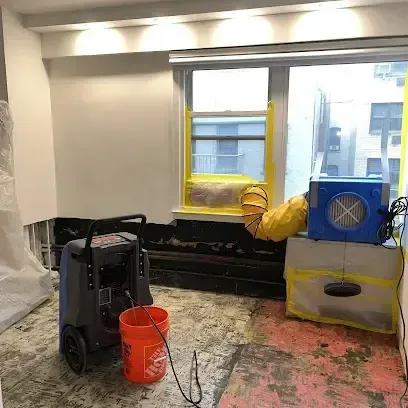
Dehumidifiers and air movers work inside a closed zone, so the air stays dry enough to draw water from framing.
- 4
Read until dry
Meters and psychrometric logs are checked at every visit, and equipment stays until the wet materials reach their goal.
All water damage categories covered in Shorewood, MN
Category 1: clean water
Supply pipes, failed hoses and water heater leaks start clean, then worsen if the water sits.
Burst pipe water damageCategory 2: gray water
Washer and dishwasher discharge carries soap and contaminants, so wet materials are disinfected as well as dried.
Appliance leak cleanupCategory 3: black water
Sewage and rising storm water carry bacteria, so porous materials come out and the area is sealed off.
Sewer backup responseWhat does water damage restoration cost in Shorewood, MN?
Typical jobs run $1,300 to $4,000 for a contained clean-water leak, $4,000 to $12,000 when lower drywall opens, and $12,000 to $25,000 for Category 3 water. Depth, spread and time wet move a job between them.
These are typical ranges, not a quote. The cost calculator and the drying time estimator narrow the figure for your own rooms.
Contained clean-water leak
$1,300 to $4,000- One room affected
- Dried in place
- Readings logged daily
Several rooms or wall cavities
$4,000 to $12,000- Pad and carpet replaced
- Lower drywall opened
- Cavities dried out
Category 3 or deep water
$12,000 to $25,000- Sealed containment
- Porous materials removed
- HEPA air scrubbing
Water behaves differently in lake country
Water follows gravity and framing, so a leak on an upper floor can travel through a wall cavity into a finished basement with no stain in between. About 93.2 percent of local housing units are owner-occupied, so the plan is written for one homeowner and one insurer.
Round-the-clock response
Water does not keep business hours, so dispatch runs through nights, weekends and holidays, starting with the source and the wet zone.
IICRC S500 drying
Drying follows the S500 standard: moisture mapped first, equipment sized to the room, then readings logged until the target is met.
Claim-ready records
Photos, moisture maps and daily readings go into one file that an adjuster can follow from start to finish.
Lake country know-how
Lake level, steep lots, private wells and sump pumps all shape where water goes, and the plan accounts for each.
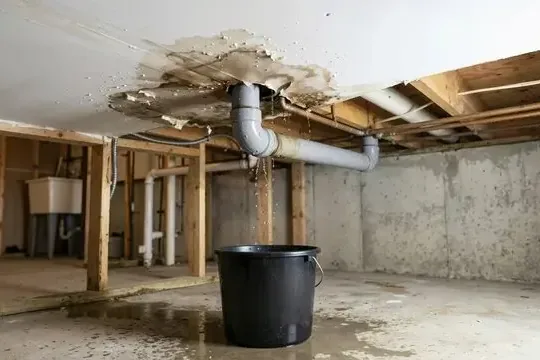
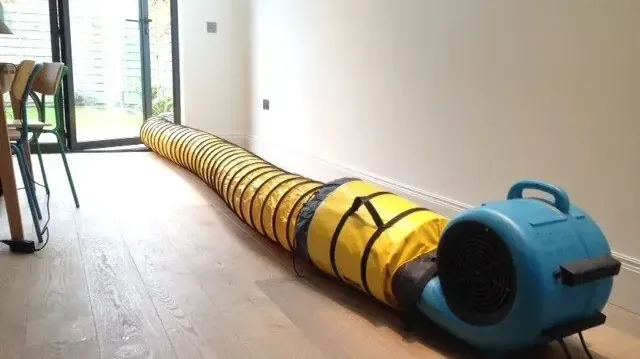
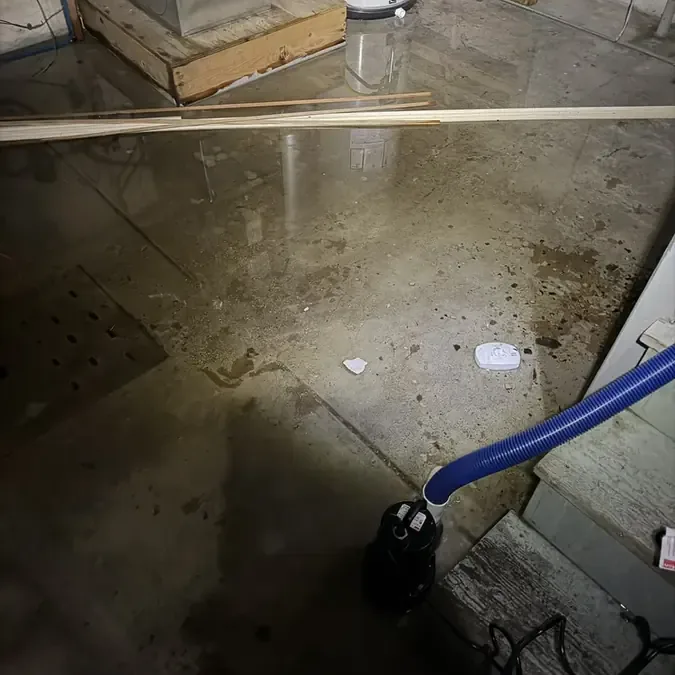
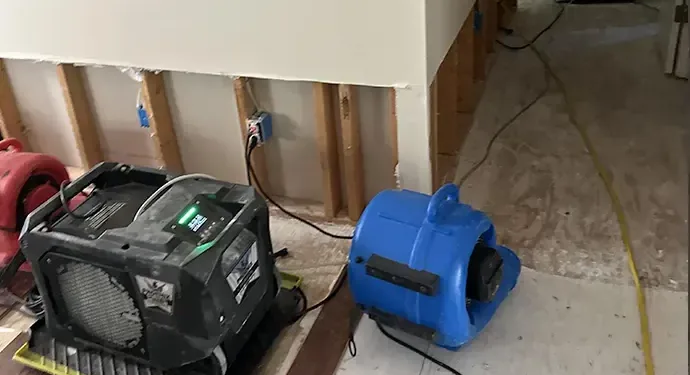
What a dry-out looks like inside a home
Documents for your claim
A claim moves faster when the paperwork shows what happened, what was wet and what was done. The team builds that file as the work goes.
- Dated photos of the leak source and every wet room before cleanup
- Moisture map with the first readings from each room
- Daily drying logs from each visit
- A written scope listing each material removed and why
- An inventory of damaged contents with photos
Homes and streets reached across the city
Areas and corridors
ZIP codes
Nearby cities
Water damage in Shorewood, MN: the local risk profile
The city sits on the southern shore of Lake Minnetonka, with Smithtown Bay on the Upper Lake and spring-fed Christmas Lake shared with Chanhassen. About 93.2 percent of its 3,023 housing units are owner-occupied, so most losses hit a family's own home.

- June 2014
On June 23, 2014, Lake Minnetonka peaked at 931.11 feet above sea level, more than seven inches over the old mark, and showed how high lake water can stand.
- Hard winters
Twin Cities area winters bring subfreezing stretches, and a supply pipe in an exposed wall or garage can split before anyone notices.
- Storm season
Thunderstorm season brings heavy rain and hail to the metro, which can overload sump pumps and push water into lower levels.
- Every year
The city cleans one fifth of its sewer system annually and televises suspected problem pipe, so inspections follow a steady schedule.
Lake and groundwater
Basements near Lake Minnetonka, Smithtown Bay and Christmas Lake can take on seepage when lake levels or the water table run high.
Sump pump limits
City code bars sump pump and roof water from the sanitary sewer, so a pump that fails has no easy second outlet.
Sewer backups
The city runs 13 lift stations, and a clog or power loss in any sewer system can push wastewater into low floor drains.
Private wells
About half of residential properties use city water and many rely on private wells, so supply pipes and pressure tanks differ by address.
Shorewood water damage questions, answered
How soon should I call after finding water?
As soon as it is safe. Water soaks into drywall, pad and framing quickly, and early extraction usually means fewer materials need to come out. Shut off the supply if you can, avoid electrical hazards and call for a crew.
Does a lakeshore location change the work?
The drying method stays the same, but lake lots change the risks. High water can seep through foundations, steep lots send runoff toward the house and sump pumps work harder. The crew checks where the water came from before choosing a plan.
Is sewer backup water safe to handle?
No. Sewage is Category 3 water that carries bacteria, so carpet, pad and lower drywall are removed and the area is disinfected. Stay out of the room and keep children and pets away until the crew finishes.
Should I call the city or a restoration company first?
A burst pipe or flooded basement inside your home goes to a restoration crew. The city's public works department runs the water and sewer systems, so contact it if the trouble looks like a street main or a nearby lift station.
What changes if my home uses a private well?
Leaks inside the house are handled the same way, but the supply differs. Shut off power to the well pump along with the valve, and tell the crew. Testing private well water is the homeowner's job.
Is rusty tap water after main flushing a damage issue?
No. The city flushes its water mains in spring and fall, and that can discolor tap water until the cold tap runs clear. Rust-colored water on a ceiling, wall or floor is different and points to a leak.
Can ice dams and winter storms cause water damage?
Yes. Thaw and refreeze can back meltwater under shingles, and subfreezing nights can split pipes. Ice dam water shows up as stains near exterior walls and ceilings, while a pipe split can run behind finished surfaces.
Do condo owners handle water damage differently?
Water crosses between units through ceilings and shared walls, so each affected unit gets its own drying plan and records. Owners should tell the association and their own insurer, because policies split responsibility in different ways.
Will the crew work with my insurance company?
The team documents the loss with photos, moisture maps and daily logs in the format adjusters expect. Coverage decisions stay with your insurer, so read your policy early.
How long does drying take?
Structural drying usually runs several days, and the readings, not the calendar, decide when equipment leaves. Dense materials such as hardwood, plaster and subfloors take longer than carpet and drywall.
Which areas does the crew cover?
The crew covers ZIP codes 55331 and 55364, including the streets around Smithtown Bay, Christmas Lake and Boulder Bridge, the State Highway 7 corridor and the city's Lake Minnetonka islands.
Wet floors and walls need a dry-out plan, and one call starts it
The sooner standing water is out and the air is controlled, the less framing, drywall and flooring has to be replaced. Reach the drying team at any hour.
(888) 432-4933Put the drying team on the job- Active water treated as urgent, 24/7
- Drying goal set by IICRC S500
- Moisture logs kept for the adjuster
- Find us on Google