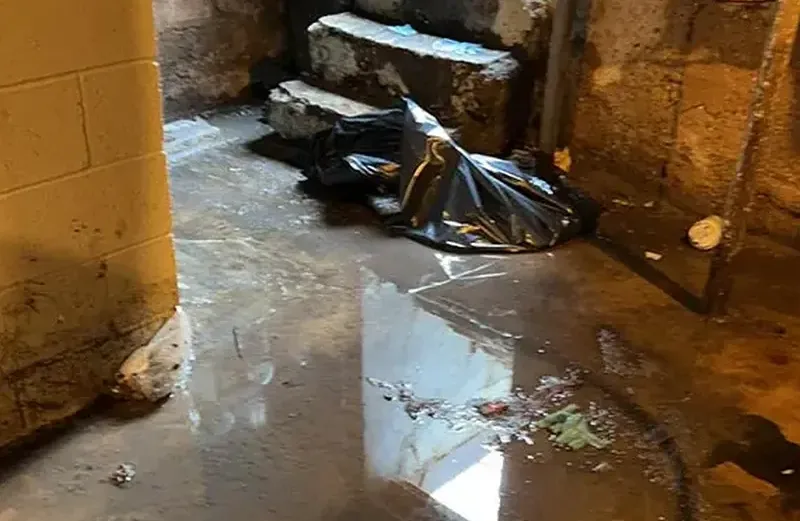
A sewer backup in an Edina basement raises two questions at once: who to call, and whose pipe failed. The city answers the first, and its code answers a good part of the second.
Key takeaways
- The city tells residents to contact the city first when a sewer backs up.
- Under the city code, private owners maintain and repair sanitary sewer components from the property up to and including the connection to the public system.
- The city says it is not usually responsible for a backup and is generally responsible only if it was negligent in maintaining its sewer pipes.
- Roots, grease and flushed items such as diapers are the common blockage causes the city names.
- Sewage water is Category 3 and is contained, removed and disinfected by a trained crew, not mopped up.
The first call after a backup
Steps in the first minutes
Gurgling toilets, a floor drain that bubbles or dark water in a tub are the usual signs. The city asks residents to contact the city first when a sewer backs up.
The reason is practical. Where the blockage sits, in the public main or in the private pipe, decides what happens next.
A backup does not wait for a convenient hour. If the city cannot be reached right away, cleanup should not wait either, because sewage water keeps spreading into flooring and walls.
- Stop using sinks, toilets, showers and the washing machine.
- Keep people and pets out of the affected rooms.
- Call the city first, then call for cleanup.
- Photograph the water and the affected fixtures before anything is moved.
- Leave the basement power off if the water is near outlets or the furnace.
Backups during heavy rain
The city describes structural flooding in Edina as arriving three ways: over the land surface, through groundwater seepage into basements and through sanitary sewer backflow.
A backup during a storm is the third kind. Rain loads the system, and the lowest drain in the house is where the overload shows itself.
- A backup that starts during or right after heavy rain.
- Several nearby homes reporting the same problem.
- Water that rises through the floor drain before any other fixture.
Where the owner's responsibility ends
The city code makes private property owners responsible for maintaining and repairing sanitary sewer components from the property up to and including the connection to the public system.
The city also says it is not usually responsible when a sewer backs up, and that it is generally responsible only if it was negligent in maintaining its sewer pipes.
Whether a given backup meets that test is a question for the city and the owner. The restoration team documents the water and the damage, and leaves the question of fault alone.
The causes the city names
The city points to a short list of common causes of sewer blockages. Its goal is to clean its sanitary sewer mains every 3 to 5 years, but a private pipe is the owner's to keep clear.
A slow drain or a gurgle in the lowest fixture is often the first warning. The sewer backup risk check helps size up a home's exposure.
A pipe that has backed up once tends to do it again until the cause is found. Some owners schedule a camera inspection after a backup to see the condition of the pipe.
- Roots that work into joints and cracks in the pipe.
- Grease poured down kitchen drains that hardens and narrows the pipe.
- Flushed items such as diapers that catch and build up.
Why a sewer backup is handled as Category 3
Sewage carries bacteria and other contaminants, which is why it is the most serious water category. Every step aims to keep that contamination from spreading.
Contain the area
The crew seals off the affected rooms so contaminated water and dust do not move into clean areas. Protective gear is worn throughout.
Remove and disinfect
Standing sewage is pumped out first. Carpet, pad, low drywall and other porous materials are bagged and removed, and hard surfaces are cleaned and disinfected.
That work is the core of sewer backup cleanup, and it is followed by drying the structure that remains.
Pull the water out quickly
Fast water extraction limits how far contaminated water wicks into walls and subfloor, which keeps more of the structure in place.
What can be saved and what cannot
The crew lists what is removed, so the owner has an itemized record of the loss.
- Carpet and pad that touched sewage water are removed.
- Low drywall and insulation are cut out above the high water mark.
- Tile, concrete and metal can usually be cleaned and disinfected.
- Upholstery, mattresses and cardboard boxes that soaked it are usually discarded.
- Papers and photos need individual handling, and some cannot be recovered.

Permits for sewer repairs
Permit rules
Edina requires a sewer and water permit for any connection, disconnection, modification or repair to a sanitary sewer or water service. A plumbing permit is also required to install, alter, repair or extend any plumbing system.
A repair planned after a backup should account for both. The cleanup and the permitted repair run side by side, with the pipe repaired before the room is rebuilt.
After the water is out: checks and rebuilding
Once the sewage is removed and surfaces are disinfected, the structure is dried. Readings show when the floor and walls are ready, and rebuilding waits until they are.
- The floor drain and the affected pipe get a plumber's inspection.
- Disinfected areas are checked again before rooms are closed up.
- Odor is addressed after the source materials are out.
Records to keep after a backup
A clear record helps the owner, the city and the repair crew work from the same facts. Other water problems in the area are covered under water damage restoration.
- The time the backup was noticed and which fixtures were affected.
- Photos taken before any cleanup.
- Notes on who was called and when, including the call to the city.
- Receipts for plumbing work and repairs.
Questions
Who should be called first after a sewer backup in Edina?
The city asks residents to contact the city first when a sewer backs up. A cleanup crew is called next to deal with the water inside the home.
Is a sewer backup the city's responsibility?
The city says it is not usually responsible and is generally responsible only if it was negligent in maintaining its sewer pipes. Owners maintain the private pipe up to and including the public connection.
Can a homeowner clean up sewage water alone?
Standing sewage carries bacteria and is classed as Category 3. A trained crew contains the area, removes the water and disinfects, which is safer than a mop and bucket.
Does a repair after a backup need a permit?
Edina requires a sewer and water permit for repairs to a sanitary sewer or water service, and a plumbing permit for work on a plumbing system.
How can a backup be prevented?
Keep grease and flushed items out of drains, and have a slow or gurgling drain looked at early. Roots, grease and flushed items are the causes the city names.
Why does the lowest drain back up first?
Water takes the lowest opening, so a basement floor drain, tub or toilet is where a blocked or overloaded sewer shows itself first.