Ceiling Leak Water Damage in Minnetonka, MN
A ceiling stain is the end of a longer story, because the water came from somewhere above it. The restoration team finds the source, checks the joist bay and insulation, and dries the drywall in place or opens it if readings call for that.
(888) 432-4933Ask about a dripping ceiling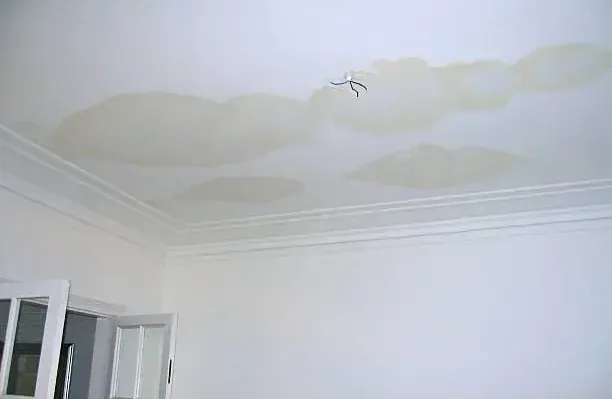
About 8,831 housing units in the city sit in buildings of two or more units, and in those buildings a leak in one home often ends up on the ceiling of the home below. Houses get ceiling leaks from roofs and bathrooms.
What to do first for ceiling leak water damage
- 1
Keep clear of the stain
A bulging ceiling can release water and drywall at once, so move people away.
- 2
Catch the drip
Set a bucket under it and cover nearby furniture with plastic.
- 3
Turn off the source
If the water comes from plumbing, close the supply valve and stop appliances above.
- 4
Photograph the damage
Capture the stain and any drips, then call a drying team.
What does ceiling leak water damage cost in Minnetonka, MN?
A small stain caught early generally runs $900 to $2,000. A ceiling that has to be opened lands at $2,000 to $4,000, and several rooms below a leak can reach $4,000 to $6,000.
Small stain, early
$900 to $2,000- Meter map
- Dried in place
- Readings logged
Opened ceiling
$2,000 to $4,000- Drywall removed
- Joist bay dried
- Insulation replaced
Several rooms below
$4,000 to $6,000- Many openings
- Floor dried too
- Extended drying
These are typical figures, not a quote. Water category, wet square footage, material class and how quickly drying began move the total the most. The water damage cost calculator gives a closer range for your rooms.
How ceiling leak water damage is done, start to finish
Moisture gets mapped before a single fan is placed, so the plan follows what is actually wet. The drying team leaves the equipment running until meter readings reach the goal, whatever the surface looks like.
- 1
Locate the source
A thermal camera and meter trace the water above the stain.
- 2
Drain and open
Trapped water drains through a controlled opening, and wet insulation comes out.
- 3
Dry the bay
Air movers and a dehumidifier dry the joist bay and the room below.
- 4
Verify and close out
Readings confirm the framing is dry before the ceiling is cleared for repair.
What is behind a stained ceiling
Above the drywall sits a joist or truss bay, often with insulation. Water collects there, soaks the insulation and drips through the drywall at the weakest point. The visible stain can sit a long way from the source, so the crew maps the whole ceiling with a meter and thermal camera.
- Meter and thermal camera used across the whole ceiling
- Insulation above the stain checked for water
- Source traced through pipes, fixtures or roof edge
When the ceiling has to come down
A ceiling that bulges, sags or drips is holding water, and a controlled opening releases it. The water is drained, wet insulation comes out and the bay is dried before anything is closed again. A flat stain that reads dry can often be left alone.
- Controlled opening cut to drain trapped water
- Wet insulation bagged and removed
- Dry stains monitored, not torn out
Leaks from the unit above
In a multi-unit building the source may be another household's pipe or fixture. The team records the damage in the lower unit separately, so each owner, tenant and adjuster has a file that matches their own policy and unit.
- Separate photos and readings for the lower unit
- Source details kept for the other unit's file
A leak that starts from a failed appliance upstairs is covered on appliance leak water damage, and unit records are handled in apartment and condo water damage.
Ceiling leak water damage around Minnetonka and nearby towns
Ceiling leaks are handled across ZIP codes 55305, 55343, 55345 and 55391, from Glen Lake and Ridgedale to the Shady Oak area, in houses and multi-unit buildings.
The same service nearby: ceiling leak water damage in Hopkins, Edina, Plymouth.
Related water damage services in Minnetonka
Ceiling Leak Water Damage questions in Minnetonka, MN
Why is a ceiling stain getting bigger?
Water is still moving, or the insulation above is holding water and releasing it slowly. A growing stain means the source is not fixed or moisture is still spreading.
Is a bubble in the ceiling an emergency?
Yes. A bulge is trapped water, and it can release suddenly with drywall attached. Keep people clear and call a crew to release it in a controlled way.
Does the whole ceiling have to come out?
Usually only the wet part. Readings and the crew's cutting plan limit the opening, and dry sections stay.
Who is responsible when the leak comes from upstairs?
That depends on the cause, the lease or condo documents and each policy. The drying team documents the lower unit and the source so the right parties can sort it out.
Will insulation above the ceiling be replaced?
Wet insulation usually is, because it holds water against the framing and dries slowly. Dry insulation can stay in place.
How can the source of a ceiling leak be found?
A thermal camera and meter show where the moisture starts. Plumbing sources are tested by a plumber, and roof sources are inspected by a roofer.
Find the water above before it spreads
The drying team traces the source, releases trapped water in a controlled way and dries the bay above and the room below.
(888) 432-4933Start a ceiling plan- Active water treated as urgent, 24/7
- Drying goal set by IICRC S500
- Moisture logs kept for the adjuster
- Find us on Google