Apartment and Condo Water Damage in Minnetonka
Water from one unit rarely stays in that unit. The drying team here treats the source apartment and the ceiling below as two jobs under one plan, with separate readings so owners, renters and managers each hold their own record.
(888) 432-4933Talk through a unit-to-unit leak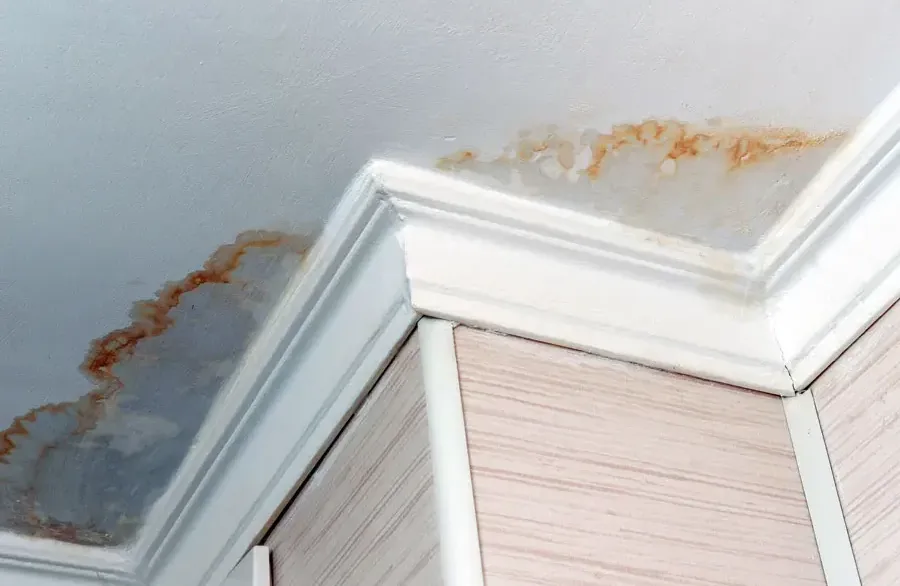
Minnetonka has about 8,831 housing units in buildings of two or more units, plus 6,681 renter households. In that kind of building, a leak that starts in one kitchen or bathroom often shows up as a ceiling stain in somebody else's home.
What to do first for apartment and condo water damage
- 1
Shut the water off
Close the fixture valve or the unit's main valve, then tell the neighbor below and the manager.
- 2
Stay clear of wet fixtures
Lights and outlets below a leak can carry water, so leave them off until checked.
- 3
Photograph both units
Capture the source and every stained ceiling before anything is moved or wiped up.
- 4
Ask for two plans
Request separate drying plans for the source unit and the unit below.
What does apartment and condo water damage cost in Minnetonka, MN?
A single apartment caught early usually falls in the $1,500 to $4,000 range. Water that reaches the ceiling below or a second floor pushes the total up, and each added unit brings its own drying plan.
One unit, early catch
$1,500 to $4,000- Water removal
- Baseboard vent holes
- Daily readings
Source plus ceiling below
$4,000 to $8,500- Ceiling opened
- Two unit plans
- Separate files
Several units or floors
$8,500 to $14,000- Cavity drying
- Added equipment days
- Unit-by-unit paperwork
These are typical figures, not a quote. Water category, wet square footage, material class and how quickly drying began move the total the most. The water damage cost calculator gives a closer range for your rooms.
How apartment and condo water damage is done, start to finish
Moisture gets mapped before a single fan is placed, so the plan follows what is actually wet. The drying team leaves the equipment running until meter readings reach the goal, whatever the surface looks like.
- 1
Trace the path
A moisture meter and thermal camera follow the water from the source into the unit below.
- 2
Remove the water
Extraction starts in the source unit, and wet carpet pad is lifted wherever it holds water.
- 3
Set up drying
Air movers and dehumidifiers go into both units, with ceilings and wall bases vented as needed.
- 4
Read and report
Daily readings continue until each unit meets its dry goal, then the file goes out.
Why one leak becomes several claims
Floors in a multi-unit building are layered: finished flooring, subfloor, a joist or truss bay, then the ceiling below. Water finds the gaps around drain pipes and fixtures and drops through. The crew checks that lower ceiling and the wall cavities beside it before calling the first unit finished.
- Ceiling below checked with a moisture meter and thermal camera
- Wall cavities beside the drain stack opened only where readings call for it
- Source unit and lower unit tracked as separate drying jobs
Renters, owners and the building
A condo owner, a tenant and a property manager answer to different policies. Photos, meter readings and equipment logs are kept per unit, so each party can hand the right file to the right adjuster. The city's rental registration ordinance took effect Feb. 3, 2024, and rental certificates expire one year after they are issued.
- Dated photos of the source and every stained ceiling
- Daily readings for each unit instead of one blended sheet
- Contact notes for the owner, tenant and manager
Drying without opening everything
Apartment finishes are expensive to replace, so the team dries in place when readings allow: air movers under a lifted baseboard, small vent holes in drywall and a dehumidifier sized to the room. Cutting is saved for wet insulation or a ceiling that sags.
- Hardwood and tile checked before anything is lifted
- Drywall vented, not removed, when it stays within range
Washers and dishwashers cause many upstairs losses, so appliance leak water damage and ceiling leak water damage each have their own pages.
Apartment and condo water damage around Minnetonka and nearby towns
Work here spans ZIP codes 55305, 55343, 55345 and 55391, including Glen Lake, Ridgedale and the Shady Oak area, and multi-unit buildings follow the same drying process as single homes.
The same service nearby: apartment and condo water damage in Hopkins, Edina, Plymouth.
Related water damage services in Minnetonka
Apartment and Condo Water Damage questions in Minnetonka, MN
Who pays when water from upstairs damages a ceiling?
The answer depends on the cause, the lease or condo documents and each policy involved. The drying team records the source and the damage in each unit so adjusters can sort out responsibility.
Can drying begin before the landlord signs off?
Stopping damage can start once an occupant or manager authorizes it, and delay lets moisture spread into walls. Larger openings or work in shared areas usually involve the building's manager or association.
How does water travel to the unit below?
It follows pipes, drain stacks and fixture openings, then runs along joists and spreads across the ceiling drywall. Wall cavities beside the stack often stay wet longer than the visible stain suggests.
Does a stained apartment ceiling always come out?
No. Readings decide. A ceiling that reads within range and holds its shape can dry in place with vents, while a sagging or insulation-heavy ceiling is opened.
Is one drying plan enough for two units?
Each unit gets its own plan, equipment and daily log, because conditions, finishes and policies differ. Separate logs keep one neighbor's paperwork from tangling with another's.
What should a renter do first?
Shut off the supply if it is safe, photograph the damage and tell the property manager in writing. Then ask a drying team to start before the carpet pad soaks through.
A leak upstairs is still a home emergency
The restoration team separates the source unit from the ceiling below, so each household ends up with a clear file and a dry home.
(888) 432-4933Start two coordinated plans- Active water treated as urgent, 24/7
- Drying goal set by IICRC S500
- Moisture logs kept for the adjuster
- Find us on Google