Sewer Backup Cleanup in Minnetonka, MN
Sewage in a basement is contaminated water, not an ordinary spill. The response team contains the area, removes what the water touched and cleans the surfaces that stay, using protective gear and documented protocols.
(888) 432-4933Talk to the sewage cleanup team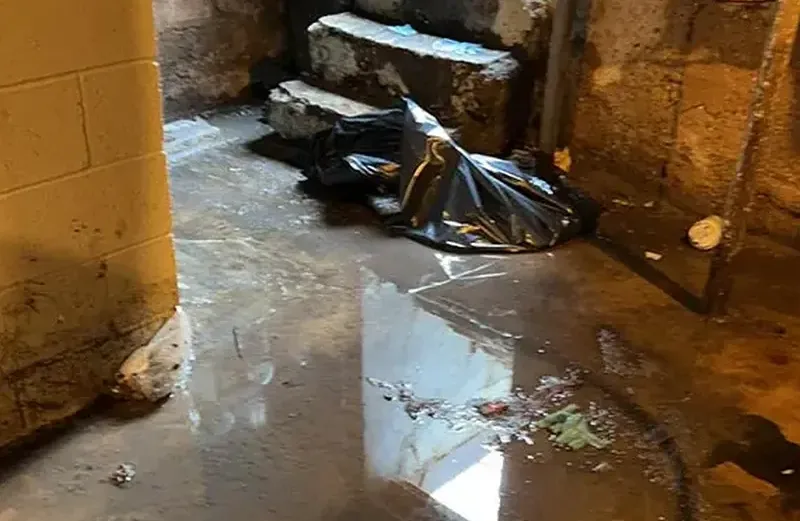
A backup differs from a leak because the water carries bacteria. Metropolitan Council Environmental Services lists Minnetonka among communities affected by inflow and infiltration, where clear water enters sanitary sewers.
What to do first for sewer backup cleanup
- 1
Stay out and ventilate
Keep people and pets out of the room and avoid touching contaminated water.
- 2
Stop using drains
Do not flush toilets or run sinks, tubs and washers, because more water adds to the backup.
- 3
Contact the city
Call the city during business hours or 911 outside them, then bring in a cleanup crew.
- 4
Photograph before cleanup
Capture the water level, the drain and affected belongings for the claim file.
What does sewer backup cleanup cost in Minnetonka, MN?
A floor drain overflow on bare concrete often costs $3,000 to $6,000. Finished areas run $6,000 to $12,000, and a whole basement with long exposure can reach $12,000 to $20,000.
Drain overflow, bare slab
$3,000 to $6,000- Containment set
- Water pulled
- Antimicrobial applied
Finished space affected
$6,000 to $12,000- Carpet and pad out
- Drywall cut away
- Air scrubbing
Whole basement, long exposure
$12,000 to $20,000- Porous goods removed
- Contents disposal
- Extended drying
These are typical figures, not a quote. Water category, wet square footage, material class and how quickly drying began move the total the most. The water damage cost calculator gives a closer range for your rooms.
How sewer backup cleanup is done, start to finish
Moisture gets mapped before a single fan is placed, so the plan follows what is actually wet. The drying team leaves the equipment running until meter readings reach the goal, whatever the surface looks like.
- 1
Contain and protect
Plastic barriers and negative air keep contamination from clean rooms.
- 2
Extract and remove
Sewage is pumped out, then carpet, pad and soaked drywall are bagged.
- 3
Clean and treat
Surfaces are cleaned and treated with antimicrobial, and HEPA scrubbers filter the air.
- 4
Dry and verify
Dehumidifiers and air movers run until readings reach the dry goal.
Who gets called first
The city's sewer page says to call the city during normal business hours and 911 outside them, because a blockage may sit in the public sewer rather than the home. Who owns a given section of pipe is a question for the city and a plumber, not the cleanup crew.
- Call the city first, then a plumber if the city clears its side
- Photograph the water level and the drain before cleanup
- Keep children, pets and food away from the affected area
What gets removed, what gets cleaned
Sewage soaks into carpet, pad, insulation and drywall, and none of those can be cleaned reliably. They are cut out and bagged. Hard surfaces such as concrete and framing are cleaned and treated with an antimicrobial, then dried.
- Carpet, pad and wet drywall removed and bagged
- Concrete and framing cleaned, then treated
- HEPA air scrubbers run during and after the work
Drying after the cleanup
Drying begins only after the contaminated materials are gone. Dehumidifiers and air movers run on the cleaned structure, and readings show when it reaches the dry goal. The final report lists everything that was removed.
- Daily readings on cleaned framing and slab
- Removed materials listed for the adjuster
Clean water from a separate source is handled under water extraction.
Sewer backup cleanup around Minnetonka and nearby towns
Sewer backups are handled in ZIP codes 55305, 55343, 55345 and 55391, from Glen Lake and Ridgedale to Shady Oak, with the city's public works department as the public sewer contact.
The same service nearby: sewer backup cleanup in Hopkins, Edina, Plymouth.
Related water damage services in Minnetonka
Sewer Backup Cleanup questions in Minnetonka, MN
Is sewage backup water dangerous?
Yes. It carries bacteria and viruses, which is why it is treated as Category 3 and handled with protective gear. Porous materials it touches are removed rather than dried.
Who should be called first for a sewer backup?
The city's sewer page says to call the city during normal business hours and 911 outside them. A cleanup crew can start protecting the space while the cause is found.
Can the carpet be saved after a sewer backup?
Almost never. Carpet and pad absorb contaminated water and cannot be sanitized reliably, so they are removed. Hard flooring over a slab can often be cleaned.
Does homeowners insurance cover sewer backup?
It depends. Backup coverage is often a separate endorsement, so check with your own insurer before assuming. The final report from the cleanup lists the removed materials.
Why does the cleanup involve air scrubbers?
HEPA air scrubbers capture airborne particles stirred up during removal. They protect the rest of the house while contaminated materials are cut out.
When can the basement be used again?
Only after contaminated materials are gone, surfaces are treated and readings show the space is dry. Skipping steps leaves odor and contamination behind.
Contaminated water needs a careful response
The restoration team contains the affected area, removes what sewage touched and dries the cleaned space, documenting each step.
(888) 432-4933Start containment planning- Active water treated as urgent, 24/7
- Drying goal set by IICRC S500
- Moisture logs kept for the adjuster
- Find us on Google