Basement Flooding Cleanup in Minnetonka, MN
Heavy rain, high water on the lake or the creeks and a sump pump that quits are the usual reasons a basement here takes on water. The extraction crew removes it, and the drying team keeps only what the meters say can dry.
(888) 432-4933Clear the water from the basement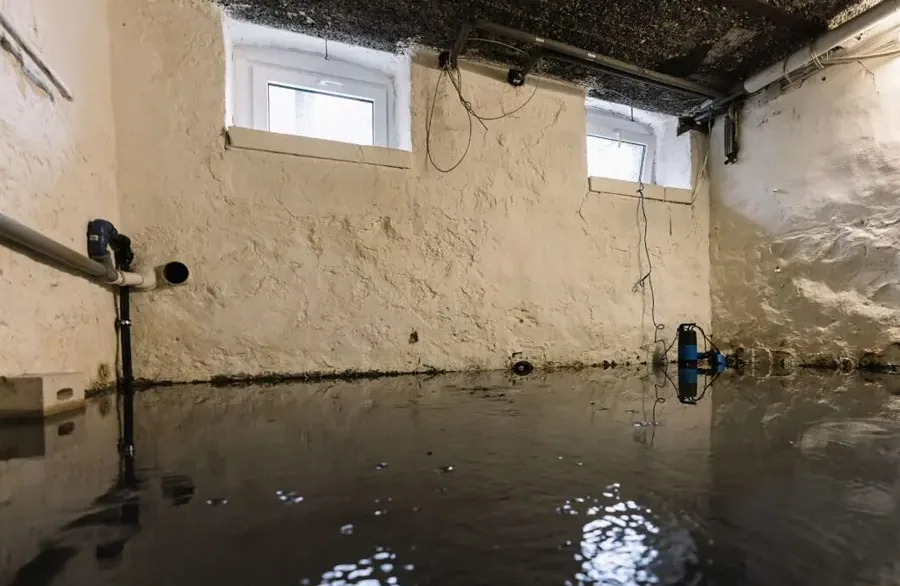
A wet basement is a chain of problems. Water collects at the lowest point, slides under carpet pad, soaks the bottom of finished walls and keeps releasing humidity into the rest of the house until it is removed and the space is dried.
What to do first for basement flooding cleanup
- 1
Cut basement power
Use a dry panel only, and never step into water near outlets, cords or the furnace.
- 2
Identify where it entered
Walls and window wells, a floor drain, or a sump pit that is overflowing.
- 3
Pause the plumbing
If the floor drain is the source, stop flushing, showering and running the washer.
- 4
Document, then lift
Photograph each wet area, then move boxes, rugs and electronics off the floor.
What does basement flooding cleanup cost in Minnetonka, MN?
Basement flooding cleanup here typically runs $2,000 to $15,000, set by how much floor got wet, whether the space is finished, the category of water and how soon extraction began.
Unfinished space, shallow water
$2,000 to $4,500- Water extraction
- Concrete drying
- Readings each day
Finished lower level
$4,500 to $9,000- Pad and carpet out
- Drywall cut low
- Cavities dried
Whole level or drain water
$9,000 to $15,000- Antimicrobial applied
- Longer equipment run
- Contents logged
These are typical figures, not a quote. Water category, wet square footage, material class and how quickly drying began move the total the most. The water damage cost calculator gives a closer range for your rooms.
How basement flooding cleanup is done, start to finish
Moisture gets mapped before a single fan is placed, so the plan follows what is actually wet. The drying team leaves the equipment running until meter readings reach the goal, whatever the surface looks like.
- 1
Find the source and category
The tech confirms how water got in and sets its category before removing anything.
- 2
Remove the water
Truck-mounted suction pulls water from carpet, pad and the slab, deepest point first.
- 3
Cut out what cannot dry
Soaked pad and drywall above the wet line come out; the framing stays.
- 4
Dry and record
Dehumidifiers and air movers run until slab and walls read dry, logged daily.
Why basements flood near the lake and creeks
The city sits at the eastern tip of Lake Minnetonka, where Minnehaha Creek starts at Gray's Bay Dam, and Purgatory Creek and Glen Lake lie within its borders too. The lake reached a record 931.11 feet in June 2014. Heavy rain, high water and a failed sump pump are the common triggers.
- Rain that runs toward the foundation and finds window wells and cracks.
- High water near the lake, Minnehaha Creek and Purgatory Creek.
- A sump pump that stops or falls behind; see sump pump failure cleanup.
When drain water comes up instead
Metropolitan Council Environmental Services lists the city among communities where clear water enters sanitary sewers, which adds flow in wet weather. Water that rises through a floor drain is treated as Category 3, and the city's sewer page tells residents to call the city about a backup, or 911 after hours.
- Carpet, pad and drywall touched by drain water are removed and bagged.
- Hard surfaces get an EPA-registered antimicrobial for its full dwell time.
- The full protocol is on the sewer backup cleanup page.
Drying a cool basement to a measured goal
Below-grade rooms dry slowly because concrete and foundation walls stay cool. The drying team closes the space, runs LGR or desiccant dehumidifiers and aims air movers along the wet walls, then logs readings each day until the slab and framing match a dry reference.
- Pad laid over concrete almost always comes out.
- Drywall is cut a few inches above the highest wet reading.
- Studs and bottom plates stay and are dried in place.
Mold can start within 24 to 48 hours on wet drywall and pad, so getting the water out comes first. Every other service in the city is listed on the local water damage restoration page.
Basement flooding cleanup around Minnetonka and nearby towns
The restoration crew covers ZIPs 55305, 55343, 55345 and 55391, from Glen Lake and Ridgedale to Shady Oak and the homes along Minnehaha Creek and Purgatory Creek.
The same service nearby: basement flooding cleanup in Hopkins, Edina, Plymouth.
Related water damage services in Minnetonka
Basement Flooding Cleanup questions in Minnetonka, MN
Why does my basement take on water after heavy rain?
Rain that cannot soak in runs toward the house and enters at window wells, cracks and the joint between floor and wall. A sump pump that stops or cannot keep pace lets the water rise.
Who should I call if the floor drain backs up?
The city's sewer page says to call the city during business hours, or 911 after hours. Inside the house, the cleanup is Category 3 work: containment, removal of porous materials, antimicrobial and drying.
Is a home near the lake or Minnehaha Creek at higher risk?
Flood concerns here center on the eastern tip of the lake, Minnehaha Creek and Purgatory Creek. The city publishes floodplain maps, so you can check where your property sits.
Can the basement carpet be kept?
Carpet wet with clean water and extracted quickly can sometimes be dried, though the pad usually goes. Anything touched by drain water or floodwater is removed.
How long until the basement is dry?
Most finished basements dry in three to six days after extraction. Cool concrete, thick carpet and plaster stretch that, and the equipment stays until readings reach the goal.
Does insurance cover a flooded basement?
That depends on the cause and the policy. A burst pipe is often covered, drain backup usually needs an endorsement and outside floodwater needs flood coverage, so check with your own insurer.
Water in the basement? Call before it climbs the walls.
Water on concrete creeps under walls and into pad hour by hour. The extraction crew removes it and drying follows.
(888) 432-4933Get the basement dried- Active water treated as urgent, 24/7
- Drying goal set by IICRC S500
- Moisture logs kept for the adjuster
- Find us on Google