Sewer Backup Cleanup Plymouth, MN
Sewage in a home is a health hazard, not just a mess. The response team contains the area, removes what the water touched and disinfects the space before any drying equipment starts.
(888) 432-4933Call about sewage water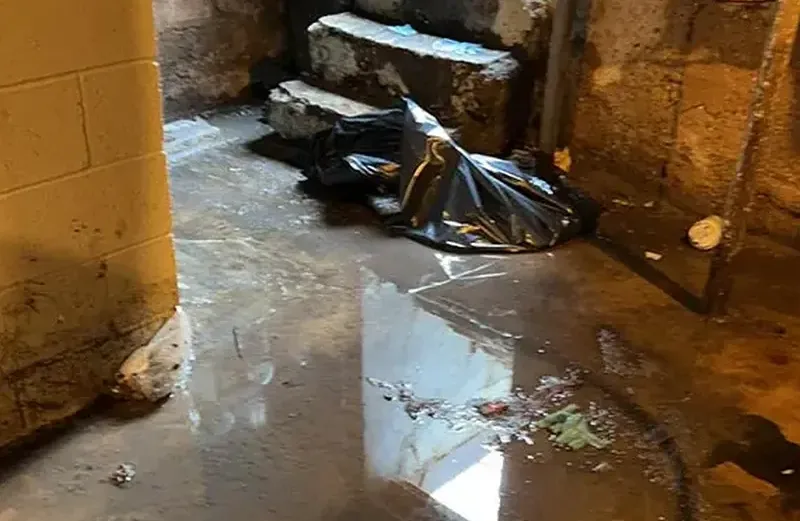
Sewage backs up through a floor drain, toilet or tub when the drain or the sewer service cannot carry the flow. It carries bacteria, so everything it touches is treated as contaminated until it is cleaned or removed.
What to do first for sewer backup cleanup
- 1
Keep everyone out
Keep people and pets away from the water and do not run vacuums or fans through it.
- 2
Stop using drains
Do not flush, run the washer or use sinks until the blockage is cleared.
- 3
Switch off power
Turn off breakers to wet areas and do not touch outlets or cords in the water.
- 4
Call for cleanup
Photograph from a safe distance, then call the response team and a plumber.
What does sewer backup cleanup cost in Plymouth, MN?
Sewer backups usually cost between $3,000 and $20,000 because black water brings containment, disposal and disinfecting. A bare concrete floor stays near the bottom, and a finished basement with long exposure costs the most.
Drain overflow, bare floor
$3,000 to $6,000- Containment
- Extraction
- Disinfecting
Finished area affected
$6,000 to $12,000- Carpet and pad removed
- Drywall cut out
- HEPA air scrubbing
Whole basement, long exposure
$12,000 to $20,000- Full porous removal
- Contents disposal
- Extended drying
These are typical figures, not a quote. Water category, wet square footage, material class and how quickly drying began move the total the most. The water damage cost calculator gives a closer range for your rooms.
How sewer backup cleanup is done, start to finish
Moisture gets mapped before a single fan is placed, so the plan follows what is actually wet. The drying team leaves the equipment running until meter readings reach the goal, whatever the surface looks like.
- 1
Contain and protect
Barriers go up, workers suit up and the sewage source is isolated.
- 2
Extract and remove
Contaminated water is pumped out and porous materials are cut out and bagged.
- 3
Clean and disinfect
Hard surfaces are scrubbed and treated, and air scrubbers run.
- 4
Dry and clear
Equipment dries the structure and readings confirm it before rebuilding starts.
What gets removed and what gets cleaned
Carpet, pad, insulation and drywall that soaked up sewage cannot be made safe, so they are cut out and bagged. Hard surfaces such as concrete, tile and framing can be scrubbed, treated with an antimicrobial and dried. The split between the two is decided during the first assessment.
- Porous materials are removed and disposed of
- Hard surfaces are cleaned and treated
- Air scrubbers run with HEPA filters during work
Utility work stays separate from cleanup
The city requires a sewer and water permit for any repair to its sanitary sewer or water service. Finding and clearing the blockage is plumbing work, while the restoration team handles the contaminated water inside the building.
- Plumbers clear or repair the blocked drain
- Restoration begins once the water stops rising
- Both jobs are documented for the insurer
Protecting the rest of the house
Containment barriers and negative air keep contaminated air from reaching clean rooms, and workers wear protective gear. Children, pets and anyone with health concerns should stay out of the work area until the crew clears it.
- Plastic barriers seal off the affected room
- Negative air pulls contaminated air outside
- Protective gear stays in the work zone
After removal and cleaning, drying equipment runs and readings confirm the structure has reached the dry standard. For basement cases see basement flooding cleanup, or the service area page for nearby cities.
Sewer backup cleanup around Plymouth and nearby towns
Sewer backup calls reach ZIP codes 55441, 55442, 55446 and 55447, covering homes and buildings from Hollydale and Parkers Lake to the Medicine Lake area, at any hour.
The same service nearby: sewer backup cleanup in Hopkins, Minnetonka, Orono.
Related water damage services in Plymouth
Sewer Backup Cleanup questions in Plymouth, MN
Is sewage water dangerous to touch?
Yes. Sewage carries bacteria and viruses, so skin contact, splashes and breathing the air in a closed room should be avoided until the crew has cleaned the area.
Can carpet exposed to sewage be saved?
Almost never. Carpet and pad act like sponges for contaminated water, so both are removed. Hard flooring may be cleaned and kept after it is treated and dried.
Who fixes the blocked sewer drain?
A plumber clears the blockage, while the restoration team handles only the cleanup inside the building.
How long does sewage cleanup take?
Removal and cleaning can take a day or more, followed by drying until readings reach target. Larger jobs take longer.
Does homeowners insurance cover a sewer backup?
Often only with a sewer or water backup endorsement, because standard policies commonly exclude it. Ask your own insurer, and keep the photos and records the restoration team provides.
What does sewer backup cleanup cost?
Costs scale with how much finished space and porous material the sewage reached, and long exposure adds to the scope.
Sewage in a home calls for protective cleanup
Tell the dispatcher which drain backed up and how far the water spread, and the response team will plan containment and removal.
(888) 432-4933Start the cleanup call- Active water treated as urgent, 24/7
- Drying goal set by IICRC S500
- Moisture logs kept for the adjuster
- Find us on Google