Apartment and Condo Water Damage Shorewood, MN
Water from one unit seldom stays there. It follows pipes and framing into the ceiling below and the wall beside it, so the drying team treats each affected unit as its own job and records it separately.
(888) 432-4933Call for a multi-unit water crew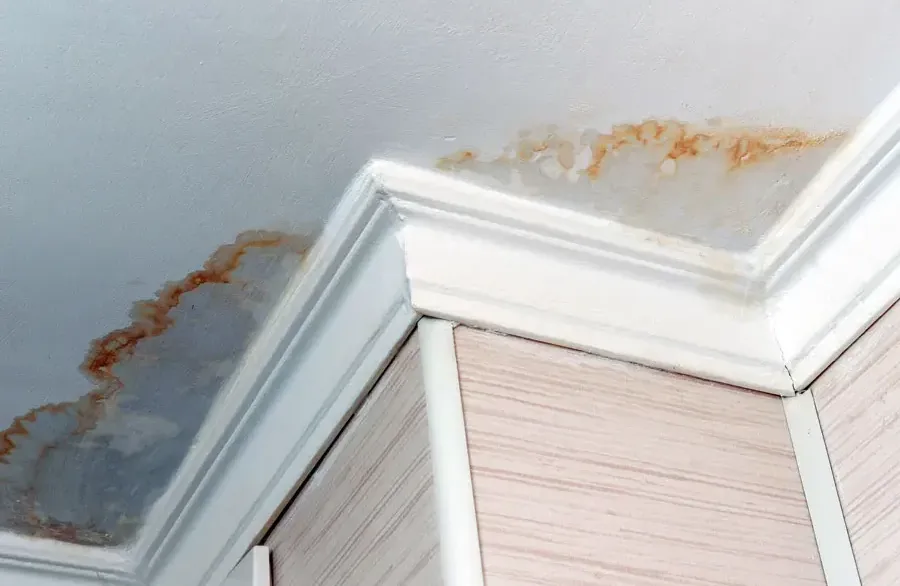
A leak in a shared building is a problem for at least two households. The unit with the source needs extraction and repairs, and the one beneath it needs its ceiling, insulation and walls checked before stains show.
What to do first for apartment and condo water damage
- 1
Find the shutoff
Locate the valve for the unit or the building, and close it if the leak is still running.
- 2
Warn the unit below
Tell neighbors and the manager so ceilings and light fixtures underneath get checked early.
- 3
Keep power off wet spots
Avoid switches and fixtures under a stained ceiling, since water may be sitting inside them.
- 4
Photograph the source
Capture the source unit and every affected room before cleanup begins.
What does apartment and condo water damage cost in Shorewood, MN?
One unit caught early costs $1,500 to $4,000. When the ceiling below is opened, expect $4,000 to $8,500, and several units or floors run $8,500 to $14,000 because each unit carries its own plan.
Single unit, caught early
$1,500 to $4,000- Water extracted
- Dried in place
- Readings each day
Source unit plus ceiling below
$4,000 to $8,500- Ceiling opened below
- Two drying plans
- Logs for each unit
Several units or floors
$8,500 to $14,000- Wall cavities dried
- Longer equipment run
- Documents per unit
These are typical figures, not a quote. Water category, wet square footage, material class and how quickly drying began move the total the most. The water damage cost calculator gives a closer range for your rooms.
How apartment and condo water damage is done, start to finish
Moisture gets mapped before a single fan is placed, so the plan follows what is actually wet. The drying team leaves the equipment running until meter readings reach the goal, whatever the surface looks like.
- 1
Map each unit
Meters and thermal imaging trace the water through the source unit, the ceiling below and shared walls.
- 2
Extract and open
Standing water is removed, and access holes go in only where readings show wet insulation or framing.
- 3
Dry each unit
Every unit gets its own air mover and dehumidifier count, so one finishes without waiting on another.
- 4
Verify and report
Final readings and logs are written up for each owner, the association and each insurer.
How water crosses between units
Water drops through the gaps around drain pipes and light fixtures, then spreads sideways inside the floor assembly. It can reach a neighbor's ceiling, a wall shared with the next unit and the framing between them without a single visible drip.
- Ceiling stains below often appear after the water has been moving for a while.
- Wall cavities carry water sideways into the unit next door.
- Insulation above a dropped ceiling holds water like a sponge.
Keeping each unit separate
Each unit gets its own moisture map, its own equipment count and its own daily log. That keeps the records clean when owners carry different insurers, and it lets one unit finish drying without waiting on another.
- Equipment is tracked unit by unit.
- Readings are written up per unit, not as one blended report.
- Ceiling openings are made from the side that needs access.
Working with an association
Many shared buildings have rules about access, shutoffs and contractors. The team coordinates with managers and owners so the water is shut off at the right valve and the drying crew can reach every affected room.
A good multi-unit job closes with dry readings in every unit and a complete file that each owner can hand to a carrier or a property manager.
Apartment and condo water damage around Shorewood and nearby towns
Multi-unit and attached-home calls are covered across ZIP codes 55331 and 55364, from the State Highway 7 corridor to the lakeshore streets near Smithtown Bay.
The same service nearby: apartment and condo water damage in Hopkins, Orono, Minnetonka.
Related water damage services in Shorewood
Apartment and Condo Water Damage questions in Shorewood, MN
Who pays when a leak damages the unit below?
It depends on the cause, the building rules and each owner's policy. The drying crew documents the source and every affected unit so the carriers and the association can sort out responsibility.
Should I tell the association right away?
Yes. Managers can close building valves, grant access and warn neighbors, and early notice protects the records for every unit involved.
Can the ceiling below be dried without opening it?
Sometimes. A small stain caught early may dry through drilled vent holes, but wet insulation or sagging drywall usually has to come out.
Does each unit really need its own plan?
Yes. Units dry at different rates and belong to different owners, so separate equipment and separate logs keep the work and the claims clear.
What if nobody is home in the unit above?
Tell the manager. Access to the source unit is needed to stop the leak, and the unit below can only finish drying once the source is controlled.
How long does a multi-unit dry-out take?
Typically several days, set by the slowest unit. The readings in each unit decide when its equipment leaves.
One leak, several households, one plan for each
Water that crosses units gets harder to trace each day. The extraction and drying crew maps every affected unit and keeps each unit's records apart.
(888) 432-4933Start the unit-by-unit dry-out- Active water treated as urgent, 24/7
- Drying goal set by IICRC S500
- Moisture logs kept for the adjuster
- Find us on Google