Apartment and Condo Water Damage Orono, MN
When water escapes in one unit, the damage seldom stays there. The drying team in Orono maps the source unit and the ceiling or wall below, then keeps owners, tenants and managers informed about what is wet and what is drying.
(888) 432-4933Call for a unit dry-out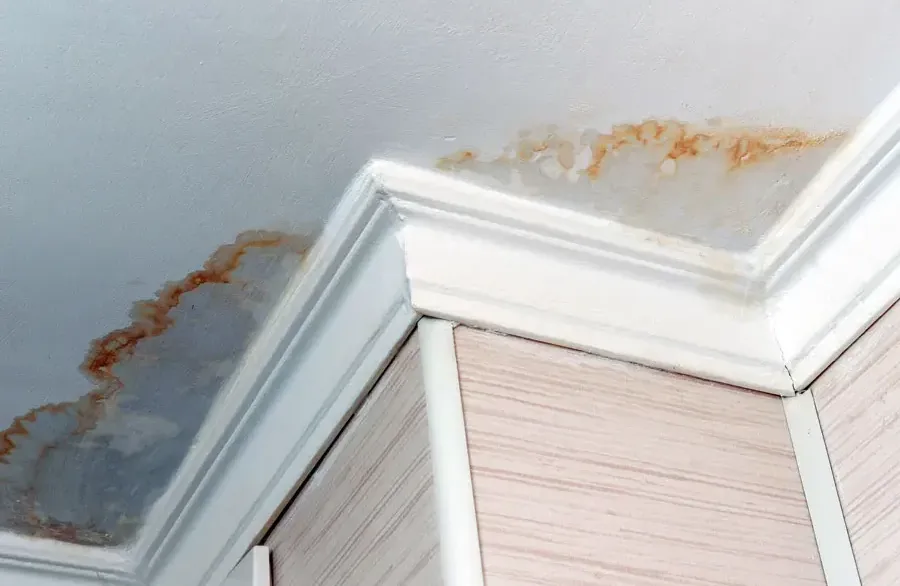
A leak in one apartment or condo becomes several people's problem fast. The restoration team treats the source unit and every wet space below or beside it as one loss with separate paperwork.
What to do first for apartment and condo water damage
- 1
Stop the water
Close the shutoff under the fixture or the supply for the unit, then let the neighbor below know.
- 2
Tell the manager
Notify the property manager or association so building plumbing and other units can be checked.
- 3
Protect belongings
Lift furniture and electronics away from wet floors and move valuables out of the affected room.
- 4
Photograph both sides
Capture the source and, if allowed, the ceiling or wall below before any cleanup.
What does apartment and condo water damage cost in Orono, MN?
Apartment and condo water losses usually run from $1,500 to $14,000. One unit caught early stays near the low end, while a wet ceiling below or several floors add scope and paperwork.
Single unit, found fast
$1,500 to $4,000- Water pulled up
- Floors dried
- Moisture checked daily
Unit plus ceiling below
$4,000 to $8,500- Ceiling opened below
- Two drying plans
- Separate unit logs
Several units or floors
$8,500 to $14,000- Wall cavities dried
- Longer equipment run
- Records for each unit
These are typical figures, not a quote. Water category, wet square footage, material class and how quickly drying began move the total the most. The water damage cost calculator gives a closer range for your rooms.
How apartment and condo water damage is done, start to finish
Moisture gets mapped before a single fan is placed, so the plan follows what is actually wet. The drying team leaves the equipment running until meter readings reach the goal, whatever the surface looks like.
- 1
Find the source
A meter and thermal camera trace the leak into the walls and the unit below.
- 2
Remove the water
Wands and small extractors lift water from flooring while limiting disruption to neighbors.
- 3
Open and dry cavities
Drywall is cut only where readings call for it, and air is pushed into the wet ceiling.
- 4
Hand over the records
Each unit gets its own readings and photos, so each party sees only what applies.
Why shared walls change the job
Stacked units share ceilings, wall cavities and plumbing chases, so water from a dishwasher or other appliance, a tub or a supply connection follows gravity into the space below. Drying plans have to cover both units even if only one resident called. Pipes in a shared chase can feed several units, so one leak may wet more than one ceiling, a case covered under ceiling leak water damage.
- Ceiling drywall below opened to dry joists and insulation
- Wall cavities checked beside the source unit
- Floors dried where water pooled under cabinets
Who handles what
Responsibility depends on the building. Some associations cover shared walls and plumbing while owners cover interior finishes, and a rental agreement may put the repair on the landlord. Each unit is documented separately so every party can use its own file. Insurance for the building and for each owner may both come into play.
- Tell the manager or association board right away
- Photograph both units before anything is moved
- Keep receipts for hotel nights and spoiled food
Noise, access and neighbors
Air movers hum day and night, so the crew explains the schedule to neighbors and keeps hallways clear. Access to the unit below matters most, because a ceiling that stays wet can sag.
- Hallway floors protected from equipment cords
- Daily schedule shared with neighbors
- Equipment placed to leave exits clear
Once the drying goal is met, equipment leaves both units and the records are handed over, so repairs and any claim can start on solid paperwork. Where a ceiling is replaced later, the dry readings show it was safe to close up.
Apartment and condo water damage around Orono and nearby towns
Service reaches multi-unit buildings and townhomes across ZIP code 55356 on the north shore of Lake Minnetonka, including areas near Navarre, Bederwood and the Highway 12 corridor.
The same service nearby: apartment and condo water damage in Hopkins, Shorewood, Minnetonka.
Related water damage services in Orono
Apartment and Condo Water Damage questions in Orono, MN
Who pays when my leak damages the unit below?
It depends on the cause and the building. A sudden failure in one unit often involves that owner's policy and sometimes the association's, and renters can differ. Ask the carrier and the manager.
Do both units need drying?
Usually yes. Water follows gravity and wall cavities, so the unit below often needs its ceiling opened and dried even when the stain looks small.
What if the neighbor will not allow access?
Entry to another unit needs the occupant's permission, so the manager or association is asked to arrange it. Until then the source unit is dried and documented.
How loud is the equipment?
Air movers and dehumidifiers run continuously and are audible, but placement is planned to limit disruption. Most clean-water jobs wrap up in a few days.
Should I call the landlord first?
Stop the water, then notify the landlord or manager at once, since rental agreements often require quick notice. Calling the restoration crew in parallel keeps the water from spreading.
What if the leak came from the unit above?
Document your own damage with photos and moisture readings, and notify the manager. The team can dry your space while responsibility is being sorted out.
Get both units dry and documented
The crew handles extraction, drying and separate records for each unit, so owners, tenants and the association can each see their share of the loss.
(888) 432-4933Request a unit drying visit- Active water treated as urgent, 24/7
- Drying goal set by IICRC S500
- Moisture logs kept for the adjuster
- Find us on Google