Apartment and Condo Water Damage Plymouth, MN
A burst supply pipe or an overflowing tub in one unit can soak the ceiling and walls of the unit below. The restoration team extracts the water, opens what is wet and keeps a separate drying log for every affected unit.
(888) 432-4933Report a leak between units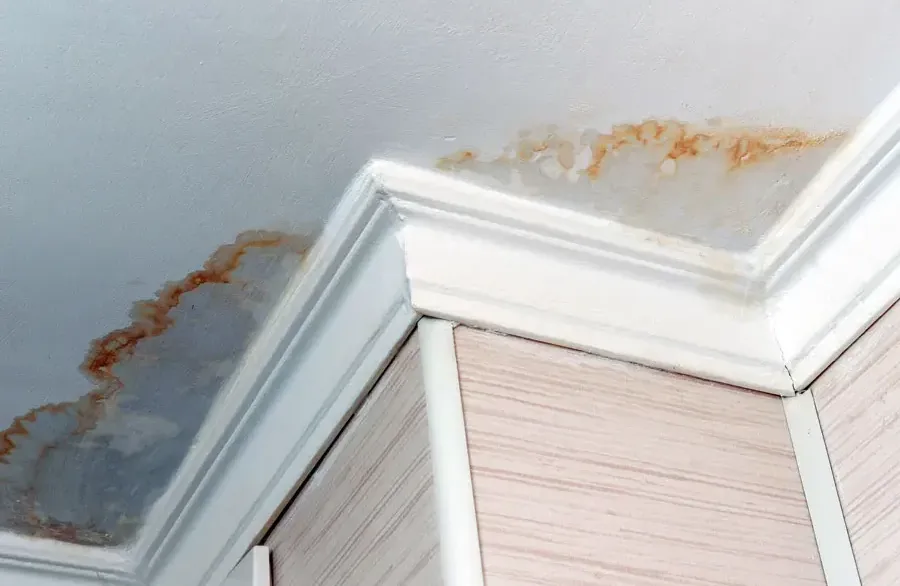
Plymouth has about 9,935 housing units in buildings of 5 or more units, and about 9,506 occupied homes are rented, so water rarely stays inside the unit where it starts. Ceilings, shared walls and floor assemblies carry it to neighbors, which is why drying plans cover more than the room with the leak.
What to do first for apartment and condo water damage
- 1
Shut the unit's supply
Close the fixture valve or the unit's shutoff and tell the manager if water is still moving.
- 2
Warn the unit below
Knock on the door below, since water may already be in the ceiling and walls there.
- 3
Turn off wet circuits
Switch off breakers for wet rooms and stay clear of sagging ceilings.
- 4
Photograph and report
Photograph stains and water, then report the loss to the manager and insurer.
What does apartment and condo water damage cost in Plymouth, MN?
Apartment and condo losses usually fall between $1,500 and $14,000. The range depends on whether one unit or several are wet, whether a ceiling below must be opened, and how many walls are affected.
Single unit, found early
$1,500 to $4,000- Extraction
- In place drying
- Daily readings
Source unit and unit below
$4,000 to $8,500- Ceiling opened below
- Two drying plans
- Separate unit logs
Several units or floors
$8,500 to $14,000- Wall cavity drying
- Longer equipment run
- Documentation per unit
These are typical figures, not a quote. Water category, wet square footage, material class and how quickly drying began move the total the most. The water damage cost calculator gives a closer range for your rooms.
How apartment and condo water damage is done, start to finish
Moisture gets mapped before a single fan is placed, so the plan follows what is actually wet. The drying team leaves the equipment running until meter readings reach the goal, whatever the surface looks like.
- 1
Map every unit
Meters and thermal scans trace the water through ceilings and shared walls.
- 2
Extract and open
Water is pulled from floors, and wet ceiling drywall is cut open to drain.
- 3
Dry each unit
Equipment is set per unit, so each neighbor has a plan and readings of their own.
- 4
Report and release
Readings reach target, equipment comes out, and each owner or manager receives a unit record.
How a leak travels between units
Water from a failed supply pipe runs down through the floor assembly, appears as a stain on the ceiling below and then moves along crown molding and into wall cavities. By the time the stain shows, insulation and drywall in the lower unit are often already saturated.
- The source unit gets extraction, baseboard removal and wall cavity drying
- The ceiling below is opened so trapped water can drain and dry
- Side walls shared with neighbors are checked with moisture meters
Rental rules and building records
The city requires a rental dwelling license for every rental, from single family homes through multifamily buildings, and inspects apartment buildings annually. Property managers often need dated records of what was wet, what was removed and what was dried, and the drying team keeps those records unit by unit so the file is ready when a manager or association asks.
- Separate photos and readings for each unit
- Notes on which walls and ceilings were opened
- A written scope the owner, tenant and association can compare
Associations, tenants and carriers
Condo associations and tenants often file with different carriers, so the response team keeps the paperwork for each unit separate and ties every file to the same dated readings. Related work includes ceiling leak water damage and burst pipe water damage.
- One file per unit and per carrier
- The same dated readings in every file
Apartment and condo water damage around Plymouth and nearby towns
Building managers across ZIP codes 55441, 55442, 55446 and 55447 can call about units near Parkers Lake, Hollydale, Highway 55 and I-494, whether the loss is one unit or a whole floor.
The same service nearby: apartment and condo water damage in Hopkins, Minnetonka, Orono.
Related water damage services in Plymouth
Apartment and Condo Water Damage questions in Plymouth, MN
Who handles a leak that reaches the unit below?
The source unit and the affected unit each need drying, and both can be handled by one crew. The team documents each unit separately so owners, tenants and associations can sort out responsibility with their carriers.
Does the building manager need to be told?
Yes. Managers control shutoffs, access to common walls and the association's carrier, so reporting early lets the drying team reach the wet areas.
Can a ceiling stain be dried without opening it?
Small stains from caught early leaks sometimes dry in place with moisture mapping. A sagging, bubbling or dripping ceiling holds water above the drywall, so it is opened and drained before drying.
Are renters or owners responsible for the drying?
That depends on the lease, the association rules and the policies involved, and the restoration team does not decide it. The team documents the loss so each party has the same dated facts.
How are separate units dried without disturbing neighbors?
Equipment is placed in each affected unit and the dry neighbors are left alone, with moisture readings taken at shared walls to confirm the water stayed out.
What does it cost to dry two units?
A source unit plus the unit below usually falls between $4,000 and $8,500. That is a typical range, not a quote, and the scope depends on how wet the ceiling and walls are.
Water spreading between units needs a plan for every unit
Tell the dispatcher where the stain showed up and who manages the building, and the response team plans the rest.
(888) 432-4933Start a unit by unit plan- Active water treated as urgent, 24/7
- Drying goal set by IICRC S500
- Moisture logs kept for the adjuster
- Find us on Google