Basement Flooding Cleanup Plymouth, MN
Storm runoff, a dead sump pump or groundwater seepage can leave a basement under water at any hour. The extraction crew pumps out the standing water, maps the wet slab and walls, and sets drying equipment before the damage spreads upstairs.
(888) 432-4933Call about a flooded basement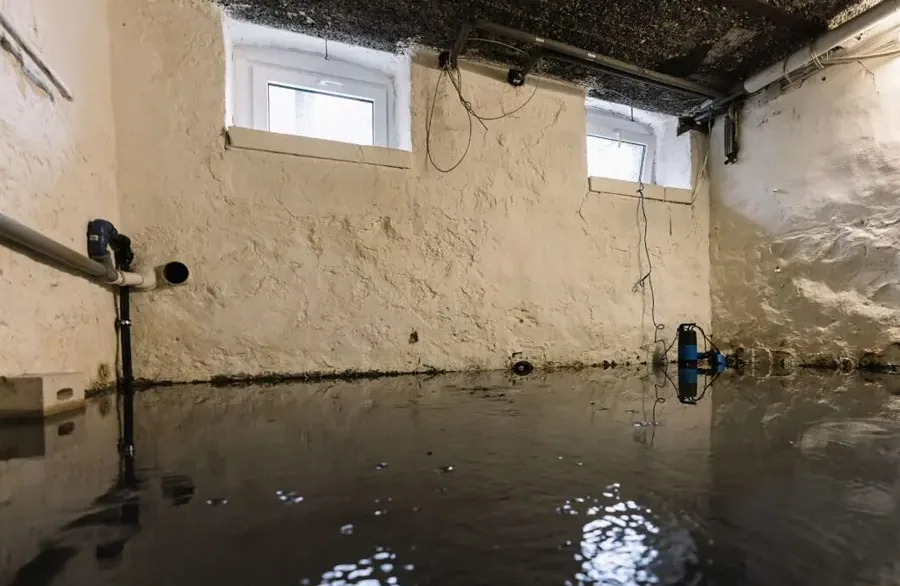
Most basement floods here begin with rain, a failed pump or water pushing through the foundation, and the first job is the same for each: get the power off, stop the source and pull the water before it wicks into framing and stairs.
What to do first for basement flooding cleanup
- 1
Switch off basement power
Shut breakers feeding wet outlets and never wade where cords or panels sit near the water.
- 2
Find the source
Check the sump pit, floor drain and window wells, and close the main valve for a supply leak.
- 3
Lift valuables
Move electronics, papers and furniture to dry space, and leave heavy items for the crew.
- 4
Photograph the damage
Take wide and close photos of the high-water mark, stored items and equipment before anything is discarded.
What does basement flooding cleanup cost in Plymouth, MN?
Most basement floods land between $2,000 and $15,000 in this area, and the number follows how much space is finished, how deep the water got and whether it was clean or gray water.
Bare slab, shallow water
$2,000 to $4,500- Pump-out
- Slab drying
- Daily readings
Finished lower level
$4,500 to $9,000- Carpet pad removed
- Drywall cut low
- Wall bays dried
Whole level or gray water
$9,000 to $15,000- Antimicrobial treatment
- Longer equipment run
- Contents moved and logged
These are typical figures, not a quote. Water category, wet square footage, material class and how quickly drying began move the total the most. The water damage cost calculator gives a closer range for your rooms.
How basement flooding cleanup is done, start to finish
Moisture gets mapped before a single fan is placed, so the plan follows what is actually wet. The drying team leaves the equipment running until meter readings reach the goal, whatever the surface looks like.
- 1
Scan and secure
Readings and a thermal scan show where the water traveled, and unsafe areas are secured.
- 2
Pump it out
Submersible pumps drop the level, then wands and a truck-mounted unit pull the rest.
- 3
Tear out and treat
Wet pad, carpet and lower drywall come out, and surfaces are cleaned and treated where needed.
- 4
Dry and verify
Dehumidifiers and air movers run while daily readings track the slab and walls to a dry target.
Why heavy rain finds basements quickly
In June 2003 a storm sewer manhole near homes along Vicksburg Lane blew its cover, water gushed out and basements flooded. The city raised the manhole afterward and built a permanent pumping station beside the affected homes. The land south of those homes was a low-lying natural wetland until 1987, when Vicksburg Lane was widened.
- Water enters through floor cracks, window wells and the wall-floor joint
- Floor drains and sump pits fill first, then the slab goes under
- Finished rooms hold water in carpet pad, baseboards and lower drywall
How the basement gets dried
The extraction crew removes standing water first, then lifts carpet and pad that cannot be saved and cuts wet drywall about a foot above the high-water mark. Dehumidifiers and air movers then work on the slab, studs and bottom plates, with readings taken each day until every surface matches a dry reference.
- Standing water is pumped out before any tear-out starts
- Unsalvageable carpet and pad are bagged and removed
- Bottom plates and wall cavities are vented and dried
Records that support a basement claim
Adjusters want proof of how deep the water got and how long it stayed. The response team photographs the room before and after tear-out, notes the materials removed and keeps the equipment and reading logs in one file for the claim.
- Water depth and the source noted
- Room photos before any removal
- Materials removed, listed by room
Floodwater from storms is often Category 3, so the crew also decides on containment and disinfecting before drying equipment goes in. Related jobs such as sump pump failure cleanup and sewer backup cleanup follow the same documentation steps.
Basement flooding cleanup around Plymouth and nearby towns
Basement flooding calls cover ZIP codes 55441, 55442, 55446 and 55447, from the Parkers Lake and Hollydale neighborhoods to homes near Medicine Lake and Plymouth Creek.
The same service nearby: basement flooding cleanup in Hopkins, Minnetonka, Orono.
Related water damage services in Plymouth
Basement Flooding Cleanup questions in Plymouth, MN
How soon should a flooded basement be pumped out?
As soon as the power is off and it is safe to enter, because water wicks into drywall and framing steadily. Waiting also lets carpet pad and stored belongings soak up more.
Is storm flooding in a basement treated as clean water?
Usually not. Storm and creek water carries soil and contaminants, so it is typically handled as Category 3, with porous materials removed and the area disinfected before drying begins.
Can a dead sump pump cause the flooding?
Yes. A stopped pump or a blocked discharge pipe lets the pit overflow onto the slab, so the team checks the pit and discharge path during the assessment.
Will carpet in a flooded basement be saved?
Sometimes. Clean water caught quickly can leave carpet in place if the pad is lifted and dried, but gray or black water means carpet and pad come out. The readings and the water category decide.
What does drying equipment do in a basement?
Dehumidifiers pull moisture from the air while air movers push dry air across the slab and walls, releasing water held in concrete, framing and drywall until readings return to normal.
Are the walls checked after the water is gone?
Yes. A moisture meter and thermal camera check wall bays, bottom plates and stair stringers, because water hides there after the floor looks dry. Readings stay on file until every area reaches target.
A flooded basement needs pumps before it needs repairs
Describe the water, the rooms involved and the source, and the response team will match pumps and drying equipment to the basement.
(888) 432-4933Talk to a crew- Active water treated as urgent, 24/7
- Drying goal set by IICRC S500
- Moisture logs kept for the adjuster
- Find us on Google