Storm Water and Creek Flood Cleanup in Minnetonka
Storm flooding here follows the water: the eastern tip of Lake Minnetonka, Minnehaha Creek and Purgatory Creek. The extraction crew removes flood water and mud, cuts out what soaked and dries what stays.
(888) 432-4933Call about storm water indoors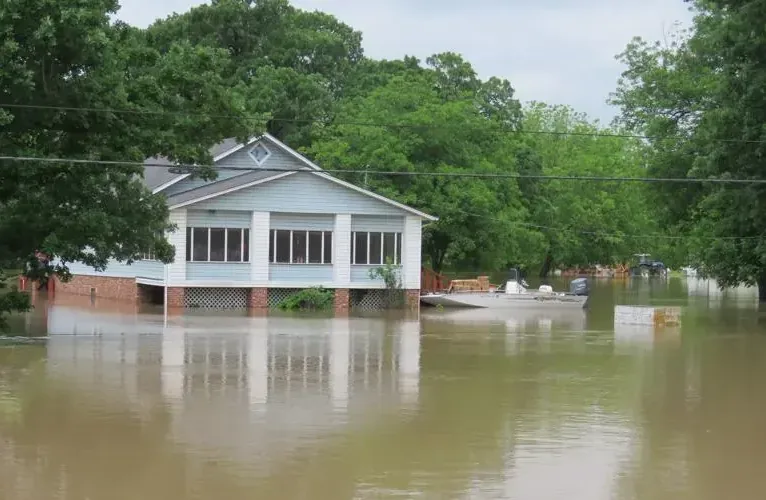
The city includes the eastern tip of Lake Minnetonka, and the lake's outlet is Minnehaha Creek. Purgatory Creek is another local water feature, and a grist mill built on it was washed out by a flood soon after it went up.
What to do first for storm water and creek flood cleanup
- 1
Stay out of the water
Flood water can hide sharp debris and live electrical current, so wait for power to be shut off.
- 2
Shut off power safely
Turn off the main breaker only if the panel is dry and reachable from a dry spot.
- 3
Move belongings up
Lift valuables, papers and electronics above the water to a dry level.
- 4
Photograph the flood level
Record high-water marks inside and outside before cleanup begins.
What does storm water and creek flood cleanup cost in Minnetonka, MN?
Shallow storm water in one area often runs $4,000 to $9,000. A flooded finished basement lands at $9,000 to $18,000, and deep water across a whole level can reach $18,000 to $30,000.
Shallow water, one area
$4,000 to $9,000- Pump out
- Porous items removed
- Antimicrobial
Finished basement flooded
$9,000 to $18,000- Flood cuts made
- Mud cleared
- Contents sorted
Deep water, whole level
$18,000 to $30,000- Wet materials gutted
- Multiple zones
- Long drying run
These are typical figures, not a quote. Water category, wet square footage, material class and how quickly drying began move the total the most. The water damage cost calculator gives a closer range for your rooms.
How storm water and creek flood cleanup is done, start to finish
Moisture gets mapped before a single fan is placed, so the plan follows what is actually wet. The drying team leaves the equipment running until meter readings reach the goal, whatever the surface looks like.
- 1
Survey the damage
Water level, silt and affected materials are recorded before work begins.
- 2
Extract and clear
Submersible pumps and extractors remove water, and mud is washed out.
- 3
Cut and remove
Wet drywall, pad and insulation are removed to a clean, dry edge.
- 4
Clean and dry
Surfaces are treated, then air movers and dehumidifiers run until readings show dry.
The June 2014 high water
Lake Minnetonka reached a record 931.11 feet above sea level in June 2014, and Minnehaha Creek set a record flow of 889 cubic feet per second. The Grays Bay Dam keeps the lake near an average of 929 feet, but record years show how fast lower levels near the shore can take on water.
- Lower levels near the shore checked first
- Standing water removed before flooring is judged
- Mud and silt cleaned from hard surfaces
Flood water is contaminated water
Rain runoff and overflowing creeks carry soil, fuel, fertilizer and sewage residue. The extraction crew treats flood water as Category 3, so soaked carpet, pad and lower drywall come out instead of being dried in place.
- Porous materials removed and bagged
- Hard surfaces cleaned and treated
- Contents sorted into keep, clean and discard
Drying after the flood cuts
Once wet materials are out, the structure is dried with air movers and dehumidifiers until readings return to normal. The Minnehaha Creek Watershed District built the current Gray's Bay dam in 1979 to address flooding, yet storm runoff can still reach homes, so documentation matters for the claim.
- Daily readings on framing and slab
- City floodplain maps can help frame insurance questions
Smaller basement water from a pump problem is covered on the sump pump failure cleanup page.
Storm water and creek flood cleanup around Minnetonka and nearby towns
Flood work covers all ZIP codes 55305, 55343, 55345 and 55391, with particular attention to properties near Lake Minnetonka, Minnehaha Creek, Purgatory Creek and Glen Lake.
The same service nearby: storm water and creek flood cleanup in Hopkins, Edina, Plymouth.
Related water damage services in Minnetonka
Storm Water and Creek Flood Cleanup questions in Minnetonka, MN
Is flood water from a creek or lake clean?
No. It carries soil, debris and contaminants, so it is treated as Category 3. Porous materials it soaked are removed rather than dried.
What did the June 2014 high water do?
The lake reached a record high of 931.11 feet above sea level, and Minnehaha Creek set a record flow of 889 cubic feet per second.
Why are flood cuts made above the water mark?
Drywall wicks water upward, so the cut goes above the visible stain. Insulation behind it is checked and removed if wet.
Does homeowners insurance cover flood damage?
Standard policies often exclude flood from surface water, and separate flood coverage may apply. Check with your own insurer, and keep photos, readings and invoices.
Can furniture and belongings be saved after a flood?
Hard goods can often be cleaned and dried. Soft goods such as upholstery and mattresses that touched flood water are usually discarded.
Where can floodplain information be found?
The city publishes floodplain maps as a tool for residents, and redevelopment next to floodplains is subject to city rules. A cleanup crew does not decide flood zones.
Storm water needs more than a pump
The response team removes flood water and mud, cuts out what soaked and dries the structure, with each step documented for the claim.
(888) 432-4933Plan the cut and dry- Active water treated as urgent, 24/7
- Drying goal set by IICRC S500
- Moisture logs kept for the adjuster
- Find us on Google