Storm Water and Creek Flood Cleanup Plymouth, MN
Heavy rain, runoff and rising creek water can flood a home from the outside in. The response team pumps out the water, clears silt and debris and removes wet materials before drying begins.
(888) 432-4933Storm water in the house?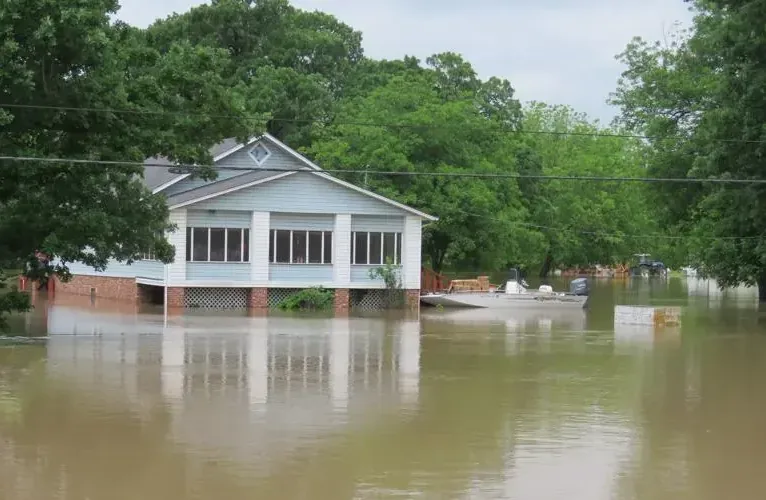
Runoff here moves toward Plymouth Creek, Parkers Lake and Medicine Lake, and more than 11,000 acres drain to Medicine Lake from parts of five cities. When a storm drops rain faster than that system carries it, water can reach homes.
What to do first for storm water and creek flood cleanup
- 1
Stay out of the water
Keep people and pets out of floodwater, which can hide debris and live electrical hazards.
- 2
Cut power first
Switch off the breakers for flooded areas, and leave the panel alone if it is wet.
- 3
Move valuables up
Lift papers, electronics and small furniture to dry shelves or an upper floor.
- 4
Photograph everything
Capture the water level, the damage and any debris mark before cleanup begins.
What does storm water and creek flood cleanup cost in Plymouth, MN?
Storm and creek flood jobs usually run between $4,000 and $30,000. Shallow water in one area sits near the bottom, and deep water that reaches a whole level and needs a full tear-out reaches the top.
Shallow water, one area
$4,000 to $9,000- Extraction
- Porous removal
- Antimicrobial
Finished basement flooded
$9,000 to $18,000- Flood cuts
- Mud removal
- Contents sorting
Deep water, whole level
$18,000 to $30,000- Full gut of wet materials
- Extended drying
- Multiple zones
These are typical figures, not a quote. Water category, wet square footage, material class and how quickly drying began move the total the most. The water damage cost calculator gives a closer range for your rooms.
How storm water and creek flood cleanup is done, start to finish
Moisture gets mapped before a single fan is placed, so the plan follows what is actually wet. The drying team leaves the equipment running until meter readings reach the goal, whatever the surface looks like.
- 1
Secure and survey
Hazards are checked, and a moisture survey maps how far the floodwater reached.
- 2
Pump and clear
Pumps remove the water, then mud and debris are cleared.
- 3
Tear out and treat
Wet porous materials are cut out and surfaces are disinfected.
- 4
Dry and verify
Dehumidifiers and air movers dry the structure while readings confirm the finish.
A storm that beat the design standard
The June 2003 storm set the local benchmark: over six inches of rain in under 12 hours, beyond what the 100-year design standard assumes. A storm sewer manhole cover came off near homes along Vicksburg Lane, and afterward the city raised the manhole and built a permanent pumping station beside them.
- Rain above the design standard overwhelms storm sewers
- Low basements and window wells fill first
- Silt and debris arrive with the water
Creek and lake flooding
The creek starts in the western part of town, drains about 4,329 acres and runs roughly parallel to Highway 55 before entering the southwest bay of Medicine Lake. Parkers Lake, a 97 acre lake whose outlet leads to Medicine Lake, also sits in the system.
- Creek overflow brings silt, leaves and debris indoors
- Parkers Lake flooded in the spring of 1857, and a gristmill on its shore was moved
- Lake and creek water is treated as contaminated
How storm cleanup differs
Floodwater carries soil, so cleanup starts with pump-out and mud removal, then carpet, pad and wet drywall are cut out and the area is disinfected. Drying follows only after the contaminated material is gone.
- Mud and debris are shoveled and bagged first
- Porous materials that soaked up floodwater are discarded
- Hard surfaces are cleaned, treated and dried
Storm water that reaches a basement is covered further in basement flooding cleanup, and sewer overflow during a storm is handled as sewer backup cleanup.
Storm water and creek flood cleanup around Plymouth and nearby towns
Storm flood calls cover ZIP codes 55441, 55442, 55446 and 55447, including homes near Medicine Lake, Parkers Lake and Bass Lake and across the Plymouth Creek drainage.
The same service nearby: storm water and creek flood cleanup in Hopkins, Minnetonka, Orono.
Related water damage services in Plymouth
Storm Water and Creek Flood Cleanup questions in Plymouth, MN
Is storm flood water considered contaminated?
Yes. Floodwater carries soil, bacteria and debris, so it is treated as Category 3 and porous materials are removed.
Can the basement be dried before the creek recedes?
Cleanup can start when it is safe to enter, but drying works best once the water source has stopped rising. The crew plans the sequence after assessing the site.
What gets thrown away after a flood?
Carpet, pad, insulation, wet drywall and most soft goods that touched floodwater. Hard surfaces can usually be cleaned and dried.
Does homeowners insurance cover flooding?
Standard policies often exclude flood and surface water, while a separate flood policy may apply. Ask your own insurer, and keep photos and readings.
How is mud removed from a basement?
Crews shovel and bag the mud, rinse hard surfaces, extract the wash water and then dry the slab and walls.
How long does a storm flood dry-out take?
Many jobs need several days of drying after the tear-out, and deeper water takes longer. The readings decide when equipment leaves.
Floodwater needs removal before anything else
Tell the dispatcher how deep the water is, where it came from and which rooms it reached, and the response team will plan the cleanup.
(888) 432-4933Start the flood cleanup call- Active water treated as urgent, 24/7
- Drying goal set by IICRC S500
- Moisture logs kept for the adjuster
- Find us on Google