Storm Flood Cleanup Orono, MN
Surface water from a storm, an overflowing pond or a swollen lake is contaminated from the start. The crew in Orono pumps it out, removes what it soaked and dries the structure.
(888) 432-4933Call about flood water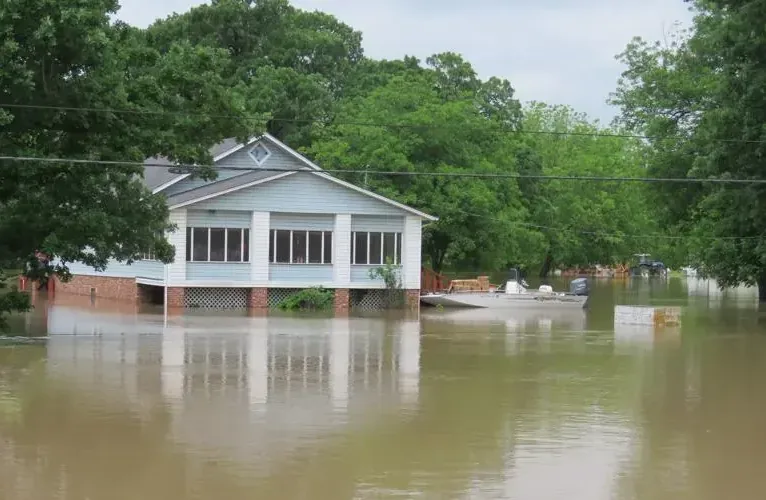
The city has many lakes, wetlands, ponds and streams, and a large part of its area is water. When storms or a wet season push those waters over their banks, flood water enters homes carrying soil and bacteria, and lower levels take it first, as described under basement flooding cleanup.
What to do first for storm water and creek flood cleanup
- 1
Stay out of the water
Flood water can hide debris, contamination and electrical hazards, so keep people and pets out.
- 2
Shut off power
Turn off the main breaker if the panel is dry and reachable, and stay clear of wet outlets.
- 3
Photograph the waterline
Capture the high water mark inside and outside the house, with the date.
- 4
Call for pumping
Request extraction first, since standing flood water keeps soaking into the structure.
What does storm water and creek flood cleanup cost in Orono, MN?
Storm flood cleanup usually costs $4,000 to $30,000. Shallow water in one area is near the bottom, while deep water across a whole level pushes toward the top, because flood water is always contaminated.
Shallow water, one area
$4,000 to $9,000- Water pumped out
- Porous items removed
- Antimicrobial applied
Finished basement flooded
$9,000 to $18,000- Flood cuts made
- Mud cleared
- Contents sorted
Deep water, whole level
$18,000 to $30,000- Wet materials gutted
- Extended drying
- Several drying zones
These are typical figures, not a quote. Water category, wet square footage, material class and how quickly drying began move the total the most. The water damage cost calculator gives a closer range for your rooms.
How storm water and creek flood cleanup is done, start to finish
Moisture gets mapped before a single fan is placed, so the plan follows what is actually wet. The drying team leaves the equipment running until meter readings reach the goal, whatever the surface looks like.
- 1
Pump the flood water
Submersible pumps lower the water in stages to protect walls and floors.
- 2
Clear mud and debris
Silt and debris are shoveled out, and soaked porous materials are bagged.
- 3
Clean and treat
Remaining surfaces are washed and treated against bacteria.
- 4
Dry and verify
Air movers and dehumidifiers run until readings match dry reference areas.
Wet years on the lake
In 2014 the Twin Cities had its wettest first half of a year since 1871, and Gray's Bay Dam was unable to regulate levels on the lake or Minnehaha Creek for 83 days in a row. The watershed district reported more than $1 million in damage along its six main streams.
- Lake rise from a wet season
- Runoff from rain on saturated ground
- Ponds and wetlands spilling past their edges
What flood water leaves behind
Surface flood water carries mud, debris and bacteria, so it is treated as Category 3, the same class as a sewer backup. Carpet, pad, insulation and low drywall that touched it are removed, and framing and floors are cleaned before drying starts.
- Mud and silt shoveled and vacuumed out
- Flood cuts made above the waterline
- Contents sorted into keep, clean and discard
Dam season and winter
The Minnehaha Creek Watershed District runs Gray's Bay Dam at the lake outlet from spring through fall, and the dam is closed in winter. Whatever the season, the cleanup follows the same order: remove, treat, dry.
Flood coverage is usually separate from a standard homeowner policy, so waterline photos, readings and the removal list matter when a flood claim is filed.
Storm water and creek flood cleanup around Orono and nearby towns
Flood calls cover ZIP code 55356 and shoreline areas around Bederwood, Minnetonka Bluffs and Crystal Bay, plus properties near Big Island Nature Park and the Dakota Rail Trail.
The same service nearby: storm water and creek flood cleanup in Hopkins, Shorewood, Minnetonka.
Related water damage services in Orono
Storm Water and Creek Flood Cleanup questions in Orono, MN
Is flood water the same as a pipe leak?
No. Surface flood water carries soil, debris and bacteria, so it is Category 3 and porous materials are removed and treated, not just dried.
Does homeowner insurance cover flood water?
Standard policies often exclude flood, which is usually a separate policy. Check the declarations page and ask the carrier before the work is scoped.
Can the lake flood a home above the shoreline?
High water mostly affects low spots, but groundwater and storm runoff can reach homes farther up. Wet years stress every foundation near the lake.
What happens to wet furniture and rugs?
Photograph them, then move them out of the water. The crew sorts items into keep, clean or discard, and flood-touched items often go.
How long until the house is dry?
Flood losses often need a week or more of drying, since materials were soaked through. Readings decide when equipment goes.
Should I wait for the water to go down?
Not if it is inside the house. Standing water keeps soaking into walls and floors, so staged extraction should start once it is safe.
Pump it out and dry it down
The crew pumps, removes mud and soaked materials, treats what remains and keeps equipment running until the structure reads dry.
(888) 432-4933Request flood extraction- Active water treated as urgent, 24/7
- Drying goal set by IICRC S500
- Moisture logs kept for the adjuster
- Find us on Google