Storm Flood Cleanup Shorewood, MN
Heavy rain and high lake water carry mud and bacteria into a house. The extraction crew removes the water and the silt, takes out soaked porous materials and dries and disinfects what stays.
(888) 432-4933Shorewood storm water help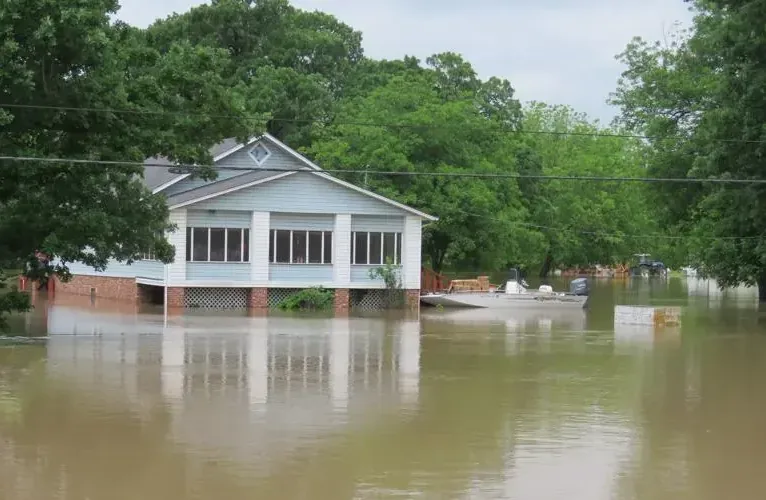
Water that arrives from outside a house has already crossed soil, roads and yards. It is treated as contaminated, which changes what can be saved and why cleanup starts with containment instead of drying.
What to do first for storm water and creek flood cleanup
- 1
Stay out of the water
Floodwater hides debris and bacteria and can touch live circuits, so keep out.
- 2
Cut power at the panel
Switch off breakers only if the panel is dry and you can reach it from dry ground.
- 3
Save what is dry
Lift papers, medicine and electronics to upper floors before more water arrives.
- 4
Document before cleanup
Photograph the high-water mark and damaged items before anything moves.
What does storm water and creek flood cleanup cost in Shorewood, MN?
Shallow storm water in one area costs $4,000 to $9,000. A flooded finished basement runs $9,000 to $18,000, and deep water across a whole level, with every wet material gutted, can reach $18,000 to $30,000.
Shallow water, one area
$4,000 to $9,000- Water extracted
- Porous materials removed
- Antimicrobial applied
Finished basement flooded
$9,000 to $18,000- Flood cuts made
- Mud cleared
- Contents sorted
Deep water, whole level
$18,000 to $30,000- Wet materials gutted
- Several drying zones
- Longer equipment run
These are typical figures, not a quote. Water category, wet square footage, material class and how quickly drying began move the total the most. The water damage cost calculator gives a closer range for your rooms.
How storm water and creek flood cleanup is done, start to finish
Moisture gets mapped before a single fan is placed, so the plan follows what is actually wet. The drying team leaves the equipment running until meter readings reach the goal, whatever the surface looks like.
- 1
Make it safe
Power goes off and the crew checks footing and debris before going in.
- 2
Pump and clear
Pumps remove deep water, then extraction and shovels clear the mud.
- 3
Cut and disinfect
Wet porous materials come out, and surfaces that stay are cleaned and treated.
- 4
Dry and confirm
Dehumidifiers run until readings show framing and slab dry.
Lake setting, storm water
The city sits on the south shore of Lake Minnetonka, which peaked at 931.11 feet on June 23, 2014, more than seven inches over the old record. Christmas Lake has a steep shoreline with many houses far above the water, so exposure depends on the lot as much as on the lake.
- Runoff from heavy rain can pool against a foundation and seep in.
- Window wells and doors at ground level are common entry points.
- Sump pumps can be overwhelmed when rain and groundwater peak together.
What gets removed
Floodwater leaves silt in carpet, wall cavities and under flooring. Porous materials that soaked in it are removed rather than cleaned, and walls are cut above the water line.
- Carpet and pad are discarded after contact with floodwater.
- Drywall is cut a short way above the highest wet mark.
- Wet insulation is pulled from the cavities it sits in.
Drying after the mud is gone
Once the mud is cleared and surfaces are disinfected, dehumidifiers and air movers lower the humidity until framing and concrete read dry.
Floodwater often needs separate flood coverage, so photos, readings and a written scope matter for any claim.
Storm water and creek flood cleanup around Shorewood and nearby towns
Storm calls are covered across ZIP codes 55331 and 55364, including lakeshore streets near Smithtown Bay and Christmas Lake, Boulder Bridge and the State Highway 7 corridor.
The same service nearby: storm water and creek flood cleanup in Hopkins, Orono, Minnetonka.
Related water damage services in Shorewood
Storm Water and Creek Flood Cleanup questions in Shorewood, MN
Is floodwater always contaminated?
Treat it that way. Water from outside carries soil, bacteria and chemicals, so porous materials are removed and surfaces are disinfected.
Does flood damage fall under homeowner coverage?
Often not. Flood water usually needs separate flood coverage, while storm damage that lets rain in is treated differently. Read your own policy.
Can lake water reach a house far above it?
Not directly, but runoff and groundwater can. On steep lots, rain running toward the foundation is often the bigger concern.
What should I save first?
Papers, medicine, photos and electronics, lifted from the floor to dry shelves. Leave heavy furniture and wet boxes for the crew.
How soon should wet materials come out?
Quickly. Drywall, pad and insulation hold water and bacteria, and the longer they stay, the more of the house has to be replaced.
Will the house be safe afterward?
Yes, once cleaning, disinfection and drying are confirmed with readings. The crew writes up the results for you and the adjuster.
Contaminated water needs a plan, not a mop
Floodwater leaves mud, bacteria and wet materials behind. The crew clears them, disinfects what stays and dries the structure to readings.
(888) 432-4933Get the flood water out- Active water treated as urgent, 24/7
- Drying goal set by IICRC S500
- Moisture logs kept for the adjuster
- Find us on Google