Ice Dam Water Damage Plymouth, MN
When roof snow melts and turns back to ice at the eaves, meltwater backs up under the shingles and drips into ceilings and walls. The restoration team removes wet insulation, opens the damp drywall and dries the framing to the dry standard.
(888) 432-4933Call about ceiling water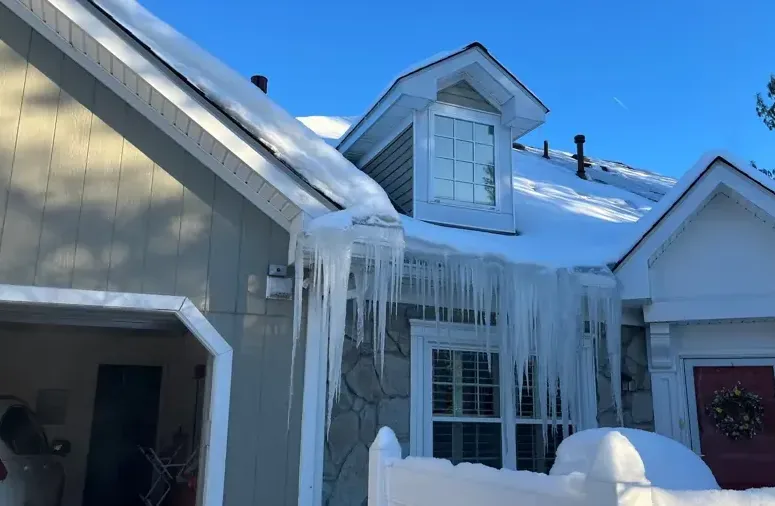
Ice dams form when heat escaping through the roof melts snow that then turns back to ice at the cold eaves, trapping a pool of meltwater behind it. Very cold winters, with highs near 23 degrees, give them the conditions they need.
What to do first for ice dam water damage
- 1
Catch the drips
Move furniture, place containers under active drips and keep clear of bulging ceilings.
- 2
Switch off nearby power
Turn off breakers for rooms with wet ceilings, especially around light fixtures and fans.
- 3
Photograph the stains
Record ceiling stains, wall marks and the icicles along the eaves before conditions change.
- 4
Call for drying
Report the leak to the restoration team and the insurer, and arrange roof work with a roofer.
What does ice dam water damage cost in Plymouth, MN?
Ice dam damage often lands between $1,200 and $9,000. One stained wall or window head sits at the low end, and several rooms with wet attic insulation climb toward the high end.
One wall or window head
$1,200 to $3,000- Moisture mapping
- Dried in place
- Daily readings
Ceiling and wall below
$3,000 to $6,000- Wet insulation removed
- Drywall opened
- Cavity drying
Several rooms affected
$6,000 to $9,000- Attic insulation pulled
- Multiple drying zones
- Longer equipment run
These are typical figures, not a quote. Water category, wet square footage, material class and how quickly drying began move the total the most. The water damage cost calculator gives a closer range for your rooms.
How ice dam water damage is done, start to finish
Moisture gets mapped before a single fan is placed, so the plan follows what is actually wet. The drying team leaves the equipment running until meter readings reach the goal, whatever the surface looks like.
- 1
Find the water path
Thermal scans trace the meltwater from the eaves to each wet cavity.
- 2
Remove wet material
Soaked insulation and ruined drywall come out so framing is exposed.
- 3
Dry the cavities
Dehumidifiers and air movers dry the framing while vent holes release trapped humidity.
- 4
Record and close
Daily readings confirm the dry standard before the cavity is closed.
How meltwater reaches the interior
The pooled water finds seams under the shingles and runs into the attic, along the top of exterior walls and down through the ceiling. It soaks insulation first, which holds water against drywall and framing and slows drying. Stains often appear near window heads and along exterior corners.
- Staining near window heads and exterior wall corners
- Wet attic insulation pressed against the ceiling drywall
- Peeling paint or bubbling drywall below the roof edge
What happens during the dry-out
The team opens the stained ceiling, removes wet insulation and uses moisture meters to find how far the water traveled. Dehumidifiers and air movers then dry the exposed framing, and daily readings show when it is safe to close the cavity.
- Ceiling drywall is cut back to dry material
- Soaked insulation is bagged and removed
- Cavities are vented and dried before closing
Fix the cause, then dry
Restoration removes the water that already got in, but a roofer or insulation contractor has to address the dam itself. Otherwise the next thaw sends water into the same ceiling again.
- A roofer repairs shingles and flashing
- Attic insulation and air sealing are reviewed
- Drying readings confirm the interior is dry
The restoration team documents the stains, the opened areas and the readings so the adjuster sees what meltwater did. For leaks that start inside the building, see ceiling leak water damage, or the service area page for nearby cities.
Ice dam water damage around Plymouth and nearby towns
Ice dam calls reach ZIP codes 55441, 55442, 55446 and 55447, including Hollydale, Parkers Lake and the Highway 55 and I-494 corridors during the coldest weeks.
The same service nearby: ice dam water damage in Hopkins, Minnetonka, Orono.
Related water damage services in Plymouth
Ice Dam Water Damage questions in Plymouth, MN
Why do ice dams cause leaks inside the house?
Ice at the eaves stops melting snow from draining, so water backs up under the shingles and finds seams into the attic and wall tops.
Is ice dam damage covered by insurance?
Policies differ on ice dams and roof leaks, so ask your own insurer which terms apply. The restoration team records damage and readings for the file.
Should the ceiling be opened if it only has a stain?
A stain can hide wet insulation above it. Readings decide whether a ceiling dries in place or is opened, and a bubbling or sagging ceiling is usually opened.
Does the roof get repaired during restoration?
No. The drying team handles the interior water, while a roofer or insulation contractor fixes the cause, and both jobs matter.
How cold does it need to be for ice dams?
Very cold winters, with highs near 23 degrees and lows near 3, keep roof edges icy while attic heat melts the snow above.
How long does the dry-out take?
Many jobs need a few days, but the readings decide. Thick wet insulation and framing take longer, and equipment stays until each material reaches the dry standard.
Meltwater in the ceiling keeps spreading until it is dried
Describe the stains, the rooms below the roof edge and any sagging, and the restoration team will plan the dry-out.
(888) 432-4933Start the ice dam dry-out- Active water treated as urgent, 24/7
- Drying goal set by IICRC S500
- Moisture logs kept for the adjuster
- Find us on Google